Don't believe the victory laps coming out of Washington or Tehran.
President Donald Trump claims a massive peace deal with Iran is getting signed this Sunday, June 14, legally binding the Islamic Republic away from nuclear weapons forever. Meanwhile, Iranian Foreign Minister Abbas Araghchi is on state television bragging that Iran won the war. It's classic political theater.
If you look past the spin, this upcoming memorandum of understanding isn't a permanent peace treaty. It's a fragile, 60-day band-aid designed to stop a three-month war that has choked global markets. The real test isn't the electronic signing ceremony brokered by Pakistan and Qatar. The real test is what happens when both sides try to enforce completely contradictory versions of the same text.
The ink isn't even on the digital page yet, and we are already seeing how unstable this agreement is. Hours after both governments bragged about being 85% of the way to a text, US forces had to shoot down multiple Iranian one-way attack drones heading toward the Strait of Hormuz. Explosions rocked Iran's Sirik port and Qeshm island. If this is what "inching closer to peace" looks like, the actual implementation is going to be a mess.
The Massive Gulf in What Both Sides Think They Signed
I've watched these Middle East diplomatic dances play out for years, and the biggest red flag is always when two warring nations read the same document and see two entirely different realities.
Trump took to Truth Social to declare that Iran will never have a nuclear weapon, not through development, purchase, or procurement. He even boasted that the US will eventually send B-2 bombers to dig up and destroy "nuclear dust" buried under Iranian mountains once things calm down. He's framing this as a total capitulation by Tehran, achieved without handing over a single cent of US funds.
But turn on Iranian state media, and the narrative flips. Iranian officials are telling their public that the deal includes:
- The immediate unfreezing of $24 billion in Iranian assets held abroad.
- A total lifting of the US naval blockade on Iranian ports.
- The suspension of sanctions limiting Iranian oil and petrochemical sales.
This isn't a minor disagreement over phrasing. It's a fundamental disconnect. If Trump expects zero financial concessions and immediate nuclear dismantling, while Iran expects a $24 billion windfall and a relaxed sanctions regime just for pausing hostilities, the 60-day negotiation window is going to collapse before it even starts.
The Illusion of a Free and Open Strait of Hormuz
The biggest immediate goal of this deal is reopening the Strait of Hormuz. Since the US and Israel launched major military strikes against Iran's leadership back in late February, the closing of this chokepoint has knocked out roughly 20% of the world's oil and liquid gas supply. Energy prices are hurting households globally.
Trump promises the strait will be open to everyone immediately after signing. But look at the details Iran is pushing. Araghchi explicitly noted that Iran, alongside Oman, will maintain management of the waterway. They plan to levy "service fees" on commercial ships passing through.
Think about that. Iran isn't giving up its leverage. They are converting a military blockade into an economic toll booth. The Council on Foreign Relations rightly points out that while Iran might call these "service fees" instead of "tolls," it amounts to the same thing: Tehran retains a chokehold on global energy.
Worse, actually clearing the strait is a logistical nightmare. During the chaos of the last few months, Iranian forces planted heavy naval mines throughout the channel. Reports indicate that the Iranian navy has actually lost track of some of these mines due to shifting currents and hurried deployment. You can sign all the papers you want on Sunday, but commercial shipping companies aren't going to send multi-million dollar tankers into a waterway until they're certain they won't hit a stray explosive.
The Israel and Hezbollah Factor
You can't talk about a peace deal between Washington and Tehran without looking at Beirut and Jerusalem. The draft framework supposedly calls for an end to hostilities on all fronts, including southern Lebanon, where Israel has been hammering Hezbollah targets.
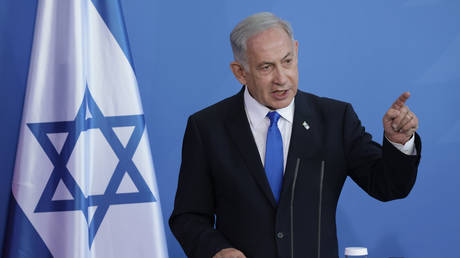
But there's a glaring weak spot here. Israeli Prime Minister Benjamin Netanyahu is already pushing back against the White House. Israel wants to crush Hezbollah's new fiber-optic guided drone capabilities and ensure its northern border is secure before stopping. US officials claim Israel will retain the right to respond to threats, but Iran views the deal as a way to shield its most valuable proxy from total destruction.
If Hezbollah launches another rocket crop, or if Israel decides a specific target in Lebanon is too dangerous to ignore, the entire US-Iran ceasefire shatters instantly.
What Happens Next
Stop looking at this as the end of the war. It's the start of a very dangerous clock. If you want to know whether this diplomacy actually matters, ignore the speeches on Sunday and watch these three metrics over the coming weeks.
First, look at the tracking data for commercial shipping. Don't assume the Strait of Hormuz is open just because a press release says so. Watch when insurance mega-firms actually lower the risk premiums for maritime transit in the Persian Gulf. Until Lloyds of London gives the green light, the strait is effectively still closed.
Second, watch the rhetoric surrounding Iran's nuclear sites. Trump's claims about retrieving "nuclear dust" via B-2 bombers won't sit well with Iranian hardliners who view their sovereignty as absolute. If inspectors aren't granted immediate, unfettered access to underground facilities within the first 30 days, the deal is dead.
Third, monitor the border of southern Lebanon. If the cross-border exchanges between Israel and Hezbollah don't drop to zero within 48 hours of the electronic signing, the regional architecture of this agreement is worthless.
Diplomats love short-term ceasefires because it makes them look like peacemakers. But temporary pauses without structural alignment just give both sides time to rearm for the next round.