The headlines are screaming that a breakthrough is hours away. Pakistani Prime Minister Shehbaz Sharif just declared that the US and Iran are "closer than ever" to signing a peace agreement, even teasing an electronic signing ceremony within the next 24 hours. Pakistani Deputy Prime Minister Ishaq Dar has been burning up the phone lines with foreign ministers from Switzerland to Saudi Arabia, prepping the diplomatic stage for a historic signing in Geneva.
Don't buy into the total euphoria just yet.
While the diplomatic machinery is spinning at a frantic pace, anyone who has closely tracked Middle Eastern geopolitics knows that a 24-hour timeline in a conflict this explosive is a lifetime. This war, which erupted on February 28 after a joint US-Israel campaign, has already devastated regional security and choked global energy markets. A fragile ceasefire brokered by Pakistan on April 8 managed to halt the open bombardment, but the underlying friction remains dangerously unresolved.
What we're looking at isn't a permanent, flawless treaty. It's a high-stakes, 14-point skeletal framework. It's an emergency exit from a wider global economic disaster, and it could still fall apart before the ink dries.
Inside the 14-Point Memorandum of Understanding
The text that Sharif claims is finalized isn't a massive, multi-hundred-page accord. According to leaked details verified by Pakistani mediation sources, it's a concise, 14-point memorandum of understanding. The strategy behind this one-page document is simple: stop the immediate bleeding and buy time.
Envoys Steve Witkoff and Jared Kushner have been leading the American side of the ledger, working directly and through Pakistani intermediaries with Iranian officials. If the electronic signatures actually go through, here's what the immediate 30-day framework demands from both sides:
- The Nuclear Moratorium: Iran must commit to an immediate freeze on its nuclear enrichment activities. Furthermore, senior US officials indicate the ultimate roadmap requires the destruction or removal of Tehran's highly enriched uranium stockpiles.
- Sanctions Relief: The United States will begin unwinding its crushing economic sanctions and release billions of dollars in frozen Iranian assets currently locked up in foreign banks.
- The Strait of Hormuz Protocol: Both nations must gradually lift restrictions surrounding maritime transit. Iran will drop its toll system and aggressive coastal claims, while the US will dismantle its naval blockade.
This isn't a permanent fix. It's a 30-day pause button. If formal negotiations over the specific details collapse during those 30 days, the US military retains the explicit right to instantly restore the naval blockade and resume airstrikes.
The Failing Strategy of Project Freedom
To understand why Washington is suddenly frantic to sign this memorandum, look at the absolute failure of its maritime strategy over the last two months.
When Iran effectively choked off the Strait of Hormuz at the start of the war, it cut off a waterway that handles roughly 20% of the world's oil and liquefied natural gas. President Donald Trump responded by launching "Project Freedom"—a high-stakes naval mission where the US Navy attempted to forcefully escort commercial merchant ships through the disputed waters.
It didn't work. The presence of American warships didn't convince commercial shipping conglomerates that the route was safe. Insurance premiums for tankers soared to astronomical heights, and most commercial fleets chose to take the long, expensive route around Africa instead.
Worse, Project Freedom provoked Iran into expanding its defensive perimeter. Tehran's newly formed maritime oversight body declared that its tactical control extended directly into Emirati waters, triggering a diplomatic fury in Abu Dhabi and sparking retaliatory strikes on Western-linked tankers.
With pre-war global oil stockpiles running dangerously low and energy costs squeezing domestic voters, the White House realized that military escorts couldn't force an international shipping artery open. They needed a diplomatic deal to get the tankers moving again.
The Pakistani Mediation Gamble
If this deal crosses the finish line, the diplomatic credit goes squarely to Islamabad. Pakistan has carved out an indispensable role as the primary backchannel between Washington and Tehran.
This mediation isn't just coming from the civilian government of Sharif and Dar. The real institutional weight behind these talks has been Field Marshal Asim Munir, Pakistan's army chief, who hosted the historic, face-to-face negotiations between US and Iranian envoys in Islamabad back in April.
Pakistan's intense diplomacy makes perfect logistical sense. Islamabad shares a direct, volatile border with Iran and maintains deep security ties with the Gulf states and the US. A prolonged war on its western flank is an economic and security nightmare for Pakistan. By positioning itself as the indispensable mediator, Islamabad gains massive diplomatic leverage with Washington while stabilizing its own neighborhood.
The frantic flurry of phone calls from Ishaq Dar to Swiss Foreign Minister Ignazio Cassis and Egyptian Foreign Minister Badr Abdelatty shows they're trying to lock in international consensus before anyone gets cold feet. Reports even suggest Vice President JD Vance might fly out to witness a formal event in Geneva if the initial electronic signatures hold up.
Why the Next 24 Hours are Deceptively Dangerous
Despite the triumphant statements coming out of Islamabad, the path to a signed deal is littered with landmines. The biggest wild card is Donald Trump's shifting rhetoric.
Just 48 hours ago, Trump claimed he abruptly canceled a wave of imminent airstrikes on Iran because negotiations had suddenly leaped forward. But almost immediately after, he publicly rejected Iran's interpretation of the agreement's terms, warning that Tehran must provide "100% good answers" or the US military was "ready to go."
Tehran isn't unified either. While Foreign Minister Abbas Araqchi has been working the diplomatic channels in China to secure Eastern backing, Iran’s chief negotiator, Mohammad Bagher Ghalibaf, delivered a scathing public warning to Washington, accusing the US of using economic and political pressure to hide its underlying military objectives.
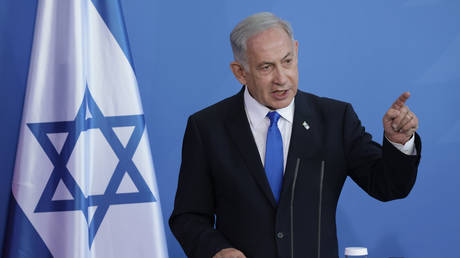
Then there's the regional spoiler effect. Israel and Hezbollah have almost completely ignored the separate US-brokered ceasefire in Lebanon, trading heavy blame for daily violations. Prime Minister Benjamin Netanyahu flatly stated that he and Trump remain in absolute agreement that Iran cannot retain any nuclear capabilities. If regional hardliners feel this 14-point memorandum gives Tehran too much room to breathe, a sudden kinetic strike could shatter the ceasefire before Geneva can even set up the tables.
What Happens Next
Stop watching the vague political victory speeches and watch the concrete markers on the ground. If you want to know if this peace deal is actually real, look for these three immediate actions over the coming days:
- Verify the Electronic Signing: Watch for a joint, synchronized confirmation from both the White House and the Iranian Foreign Ministry verifying that the 14-point memorandum has been formally accepted. Vague statements from third-party mediators aren't enough.
- Monitor the Strait Tolls: Watch the maritime traffic data in the Strait of Hormuz. Look for whether Iran actively dismantles its newly imposed toll system and rolls back its maritime claims over Emirati coastal waters to let commercial tankers move freely without naval escorts.
- Track the International Asset Transfers: Keep an eye on Swiss banking channels. The formal release of the first tranche of frozen Iranian funds will be the definitive litmus test of American compliance.
The diplomatic framework is on the table, but a framework is just paper. Until the blockades actually lift and the enrichment centrifuges spin down, this conflict is exactly where it has been for months—right on the borderline.