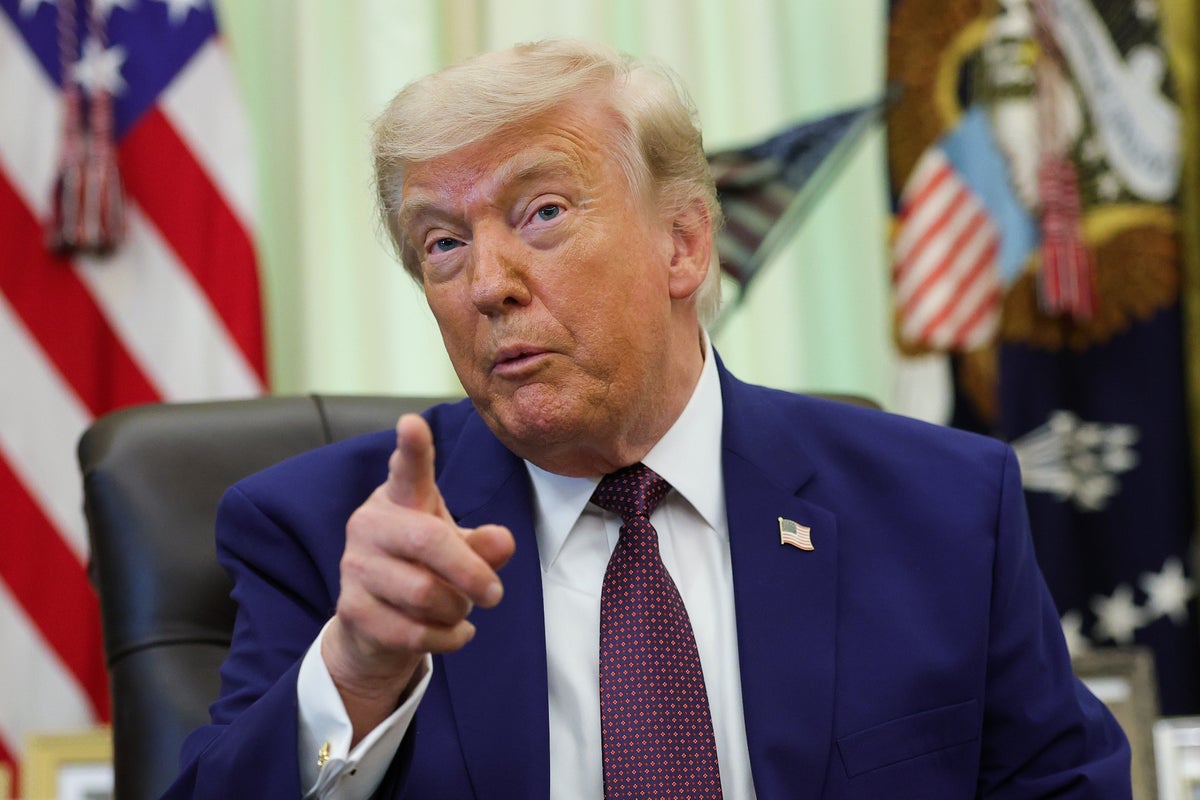
Donald Trump just told the world that the G7 does not matter to his foreign policy. Right before heading to France for the annual gathering of the world's wealthiest democracies, he bragged to an Italian TV station that the US has "won the war in Iran" and called traditional ally backing completely irrelevant.
It is classic Trump theater. But behind the loud rhetoric lies a very deliberate diplomatic strategy that is going to play out in Evian-les-Bains and the Palace of Versailles this week.
If you think this summit will be about standard multilateral communiqués and polite agreements on artificial intelligence or critical mineral supply chains, you are missing the real story. Trump is using a summit designed for Western consensus to run a parallel track of solo diplomacy. He is skipping the traditional playbook to deal directly with Middle Eastern powers and lock down a legacy-defining regional deal.
The Side Deals Overriding The Official Agenda
While European leaders want to focus the official G7 program on global economic growth and illegal immigration, the real action is happening on the sidelines. The White House confirmed that Trump scheduled specific one-on-one sessions with the leaders of Egypt, Qatar, and the United Arab Emirates.
These countries are not G7 members. French President Emmanuel Macron invited them, but Trump is monopolizing their time. Why? Because these are the precise regional players holding the keys to a permanent ceasefire and regional framework after months of direct military conflict between the US, Israel, and Iran.
Instead of asking Germany or Japan for input, the US administration is leaning heavily on these Middle Eastern mediators to finalize a war-ending package. White House officials dropped a major detail ahead of the trip. Trump plans to pitch an alliance to clear maritime mines from the critical Strait of Hormuz.
Interestingly, Britain and France have already shown quiet interest in helping out with that specific demining effort once the guns fall silent. It proves that while Trump publicly dismisses his allies as irrelevant, he still expects them to sweep up the physical mess left behind by global conflict.
A Birthday Bash And A Palace Dinner
The optics of this trip are wild, even by historical standards. Trump is flying across the Atlantic right after hosting a primetime mixed martial arts fight card on the South Lawn of the White House to celebrate his 80th birthday.
Once he lands in France, the scheduling gets even more intense. Macron is pulling out all the stops to manage Trump's ego, a tactic he has used since Trump's first term. The grand finale of the trip is an exclusive dinner at the Palace of Versailles on Wednesday.
Officially, the dinner marks the 250th anniversary of American independence, celebrating historic Franco-American bonds. Unofficially, it is a gilded environment where Macron can pitch French interests directly to the American president without other world leaders interrupting. Versailles has hosted kings and emperors, and Macron knows exactly how much Trump loves a lavish, historic backdrop.
But do not confuse the luxury with lack of friction. The gaps between Washington and Europe are massive right now.
Where The Real Friction Lies
The most awkward moments will not happen over dinner at Versailles. They will happen when Ukrainian President Volodymyr Zelenskyy walks into the room.
Zelenskyy is scheduled to attend a working session at the summit. White House officials explicitly noted that there is no formal one-on-one meeting scheduled between Trump and the Ukrainian leader. They might bump into each other on the sidelines, but the deliberate lack of a scheduled meeting speaks volumes about where US-Ukraine relations sit.
Then there is the trade situation. Trump is also scheduled to sit down with Indian Prime Minister Narendra Modi in France to push through a massive bilateral trade framework. They signed a preliminary agreement earlier this year, and Trump wants to use the French backdrop to hammer out the remaining sticking points. European allies watching from the sidelines are terrified of being squeezed out by these exclusive bilateral trade pacts.
What Happens Next
Watch the headlines coming out of Evian-les-Bains starting Monday. Do not get distracted by the official joint statements about AI safety or supply chain resilience. Those are just noise.
Instead, look for three specific indicators to judge if Trump's parallel diplomacy actually worked:
- The Hormuz Shipping Protocols: Check if the UAE, Qatar, and Egypt issue joint or parallel statements regarding maritime security in the Gulf. If they agree to the US demining framework, a broader regional peace deal is imminent.
- The Versailles Side Agreements: Watch for any joint press appearances by Trump and Macron after their palace dinner. Look closely at whether France secures exemptions from impending US trade tariffs.
- The Modi Trade Signal: Keep tabs on whether the US and India announce a finalized timeline for their trade package. A sudden breakthrough means Trump successfully used the G7 as a vehicle to advance America-first economic goals at the expense of multilateral European trade blocks.
The old era of Western consensus is dead. This week in France will show us exactly what the new one looks like.