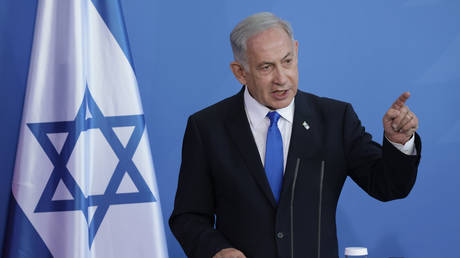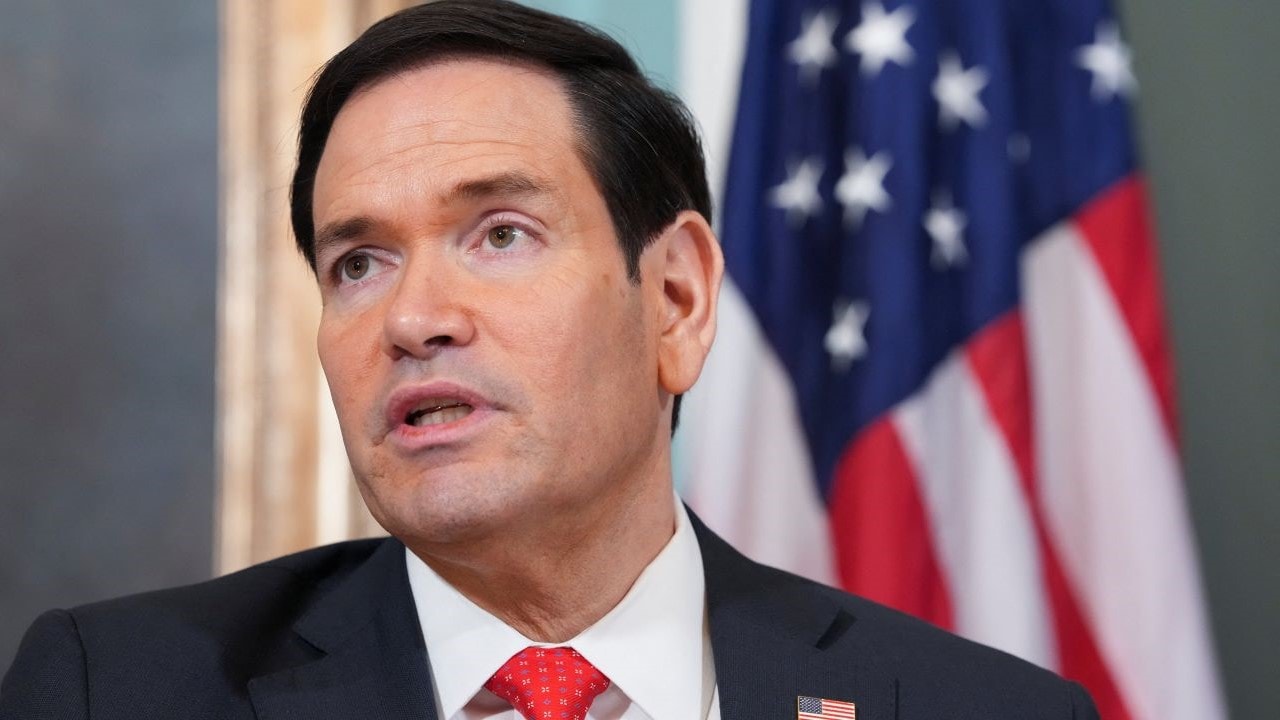
Washington just sent a chilling message to New Delhi, and it didn't come wrapped in diplomatic pleasantries.
US Secretary of State Marco Rubio made it clear to Indian External Affairs Minister S. Jaishankar that the US won't tolerate any violations of its naval blockade on Iranian oil. This conversation didn't happen in a vacuum. It follows targeted US military strikes on merchant vessels in the Gulf of Oman that killed three Indian seafarers.
If you thought the US-India strategic partnership was immune to geopolitical friction, this is your wake-up call. The escalating confrontation in the Strait of Hormuz proves that when American security mandates clash with India's maritime and economic footprint, Washington will choose its own interests every single time.
The Cost of the Blockade in Innocent Lives
The phone call between Jaishankar and Rubio wasn't a standard diplomatic check-in. Jaishankar dialed his American counterpart to lodge a fierce protest against the US Navy's lethal actions. Over the span of a single week, US forces targeted three commercial vessels staffed heavily by Indian crews.
The flashpoint centers around three specific ships:
- MT Settebello: A Palau-flagged tanker struck by US forces in the Gulf of Oman. The attack killed three Indian mariners out of 24 onboard.
- MT Marivex: Another Palau-flagged vessel targeted near Duqm with 24 Indian sailors, who fortunately survived.
- MT Jalveer: A Guinea-Bissau-flagged ship disabled near Shinas carrying 20 Indian crew members.
India didn't take this lying down. New Delhi summoned US Chargé d'Affaires Jason Meeks twice in one week to demand answers. Jaishankar publicly stated that lethal actions against civilian commercial shipping are entirely unjustified.
But Rubio's response was cold comfort. Instead of offering apologies or condolences, the US State Department doubled down. Rubio demanded that all commercial vessels immediately obey orders from US forces operating in the Strait. The American position is unyielding: if a ship is suspected of moving Iranian oil, it becomes a target.
Dissecting the Conflicting Narratives
The real danger here lies in the wildly differing accounts of what actually happened on the water.
US Central Command claims the targeted ships repeatedly ignored direct orders and warnings from American naval assets. According to the Pentagon, these tankers were acting as "dark" ships, intentionally trying to bypass the naval blockade imposed on Iranian ports since April 13.
The shipping companies tell a completely different story. The management firm for the MT Settebello stated that the US Navy established no communication and issued no warnings before firing missiles. They claim the vessel was simply stationary off the coast of Shinas for days, not running a blockade.
Adding fuel to the fire, President Donald Trump blamed Iran for the chaos, claiming on social media that Tehran launched a failed drone strike against Indian ships leaving the strait. This blame-shifting highlights a growing disconnect between Washington's aggressive enforcement tactics and New Delhi's outrage over dead civilian mariners.
The Massive Stakes for Indian Shipping
This isn't just an abstract argument over maritime borders. India has an enormous human and economic stake in these waters.
Right now, roughly 622 Indian seafarers are working on 13 India-flagged vessels operating right around the Strait of Hormuz. Zoom out further, and you find nearly 18,000 Indian nationals working on various foreign-flagged merchant ships across the broader Gulf region.
India relies on this volatile corridor for the bulk of its energy imports. When the US Navy starts firing missiles at merchant tankers because of suspected sanctions evasion, every single Indian sailor in the region is suddenly in the line of fire. New Delhi faces a logistical nightmare: how to keep its economy fueled without putting thousands of its citizens at risk of being killed by friendly fire from a strategic ally.
Washington Is Out of Patience
What does this mean for the future? Expect the US to tighten the noose even further. Rubio's message proves that Washington views its economic war with Iran as an absolute priority, superseding the diplomatic sensitivities of its allies. The US has already intercepted 85 vessels and seized three since the blockade began. They aren't planning to slow down.
For India, the next steps are urgent and practical:
- Enforce Strict Maritime Compliance: New Delhi must issue immediate, unambiguous advisories to all Indian-crewed merchant vessels in the Gulf. Sailors must comply with US naval directives instantly, regardless of the ship's flag or ownership, to avoid being targeted.
- Demand Clear Rules of Engagement: Indian diplomats need to pressure Washington to establish non-lethal verification methods. Firing destructive missiles at civilian tankers to check their cargo is a recipe for more civilian casualties.
- Accelerate Supply Chain Diversification: India must fast-track alternative energy corridors and reduce its dependence on transit routes directly controlled or blockaded by Western powers.
The time for soft diplomatic rhetoric is over. If India wants to protect its people and its energy security, it needs to adapt to a much more aggressive, unapologetic American naval presence in West Asia.