If you look at the headlines, the current war in Lebanon seems straightforward. News tickers scream about a binary war between Israel and Hezbollah. But if you think this is just a two-sided border conflict, you're missing the real story.
Lebanon is currently a geopolitical collision zone. The crisis isn't just about rockets crossing the Blue Line; it's a multi-layered power struggle involving a fractured state military, heavily armed non-state actors, regional proxies, and an international community struggling to maintain order. To truly understand why the region is on fire right now, we need to peel back the layers and look at who is actually pulling the triggers.
The Real Belligerents on the Ground
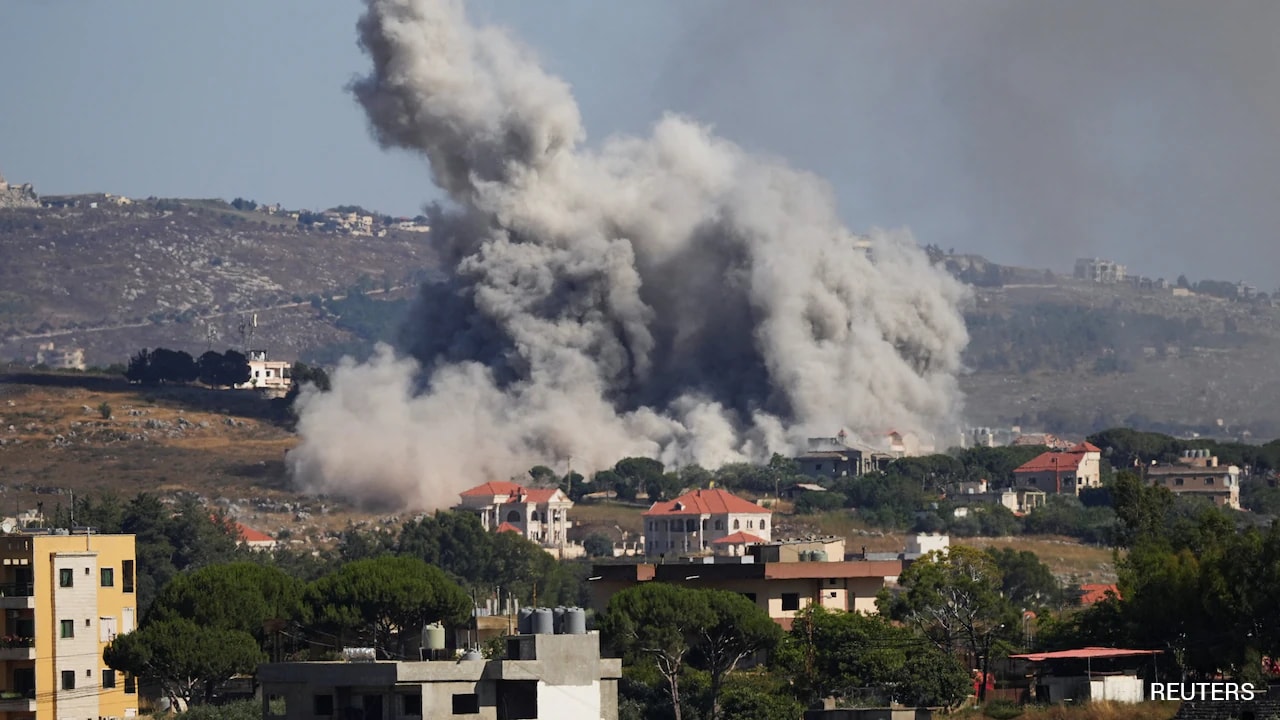
The core of the military confrontation is between the Israel Defense Forces (IDF) and Hezbollah. Following the failure of the late 2024 truce and the outbreak of fresh hostilities in March 2026, the IDF launched a massive multi-division ground offensive in southern Lebanon. Israel's goals are clear: destroy the remaining cross-border attack infrastructure, push armed groups back beyond the Litani River, and secure their northern border.
Hezbollah isn't fighting alone, though. They operate as the dominant force in a coalition of Shia militant groups. Their primary domestic political and military ally is the Amal Movement, led by Parliament Speaker Nabih Berri. While Amal's military wing, the Al-Abbas Force, is smaller and less equipped than Hezbollah, they are actively participating in ground clashes against the IDF in southern villages like Bint Jbeil.
Smaller factions have also joined the fray. These include Sunni militant groups like the Fajr Forces (the armed wing of Lebanon's Islamic Group) and various armed Palestinian factions operating out of refugee camps, such as Palestinian Islamic Jihad and remnants of Hamas. They act as force multipliers, launching auxiliary rocket and drone strikes under the umbrella of the broader resistance network.
Where Does the Official Lebanese Army Stand?
This is where the situation gets messy. The Lebanese Armed Forces (LAF) are the official, state-sanctioned military of Lebanon. Yet, they are largely sitting out the direct fight against Israel. Why? Because the LAF finds itself in an impossible position.
With roughly 60,000 personnel, the regular army is underfunded, relies heavily on Western aid, and is structurally weaker than Hezbollah. If the LAF explicitly turns its guns on Israel, it risks total destruction by a vastly superior military power. On the flip side, if the LAF tries to forcefully disarm Hezbollah to comply with international demands, it would trigger a catastrophic civil war within Lebanon.
Instead, the Lebanese government is trying to play the diplomatic card. The political leadership in Beirut has proposed plans to step up LAF deployment to 10,000 troops in the south, aiming to assume sole security control. But this can't happen until a permanent ceasefire forces both the IDF and Hezbollah to pull back. Until then, the state military is essentially a bystander in its own country.
The Regional and Global Puppet Masters
You can't talk about Lebanon without talking about Iran. Tehran is the primary financial and military lifeline for Hezbollah. The Islamic Revolutionary Guard Corps (IRGC) Quds Force provides the advanced drones, anti-tank missiles, and precision-guided rockets that sustain the campaign against Israel. For Iran, Lebanon is a vital forward operating base to project power and maintain deterrence against Western allies.
On the other side, the United States and France are heavily invested in brokering temporary truces and diplomatic off-ramps. Washington frequently hosts bilateral talks trying to manage the fallout, while pushing a long-term strategy to disarm non-state actors.
Then there's UNIFIL, the United Nations Interim Force in Lebanon. With thousands of international peacekeepers stationed in the south, their job is to monitor border violations. Instead, they've found themselves caught directly in the crossfire, suffering casualties and vehicular damage as the ground war rages around their outposts.
The Internal Friction Threatening a Civil War
Beneath the international war lies a dangerous internal political fracture. Lebanon is a deeply sectarian country, split among Shia Muslims, Sunni Muslims, Maronite Christians, and Druze populations.
Non-Shia political factions are furious that Hezbollah drags the entire nation into devastating conflicts without state permission. Christian and Sunni leaders argue that Hezbollah’s actions have ruined the economy and destroyed the country's infrastructure. In mid-2025, the Lebanese government even reviewed proposals to disarm all non-state militias.
Hezbollah’s leadership has hit back hard. They explicitly warned that any attempt to enforce disarmament by an internal or Western order would immediately lead to internal strife and civil war. They claim their weapons are the only thing preventing a permanent Israeli occupation of southern Lebanon. This domestic standoff means that even if the rockets stop tomorrow, Lebanon remains a powder keg ready to blow from within.
What Happens Next
The path forward requires monitoring specific indicators rather than waiting for a magic diplomatic bullet. To track where this crisis is heading, watch these three operational areas:
- The Litani River Boundary: Keep an eye on whether Israeli forces manage to permanently clear and hold the territory up to the Litani River, or if Hezbollah maintains its hit-and-run guerrilla presence in the southern valleys.
- LAF Funding and Deployment: Watch for international financial packages aimed at boosting the Lebanese Armed Forces. The regular army needs serious material support before it can ever realistically police the south.
- The Status of UNIFIL: Track the upcoming UN Security Council votes regarding the mandate of the peacekeeping force. Any reduction in UN personnel will create an immediate security vacuum that both sides will rush to fill.