The ink wasn't even dry on the Pakistan-brokered memorandum of understanding before the missiles started flying again. If you thought the fragile truce signed just last week in Switzerland was going to bring permanent stability to the Middle East, Donald Trump just shattered that illusion with a single social media post.
We are watching a dangerous game of chicken play out in the Strait of Hormuz. It's a high-stakes standoff that has pushed global energy markets into absolute chaos. The current situation is simple yet terrifying. Iran allegedly targeted a commercial oil tanker. The US military responded by obliterating Iranian coastal radars and drone storage. Now, Donald Trump is openly threatening the complete annihilation of the Iranian regime if they don't back down.
Let's strip away the diplomatic fluff and look at what is actually happening on the ground right now.
The Truth Social Warning That Changed Everything
The fragile peace process collapsed over the weekend. Trump took to Truth Social to deliver an ultimatum that left zero room for misinterpretation. He claimed the US has the upper hand and made it clear that Washington’s patience has entirely run out.
"There may come a point when we are no longer able to be reasonable, and will be forced to militarily complete the job that we very successfully started," Trump posted. "If that happens, the Islamic Republic of Iran will no longer exist."
This isn't just typical campaign trail hyperbole. It's an active threat of total regime destruction issued while American aircraft carriers are actively dropping bombs in the region. The administration is signaling that it views the interim ceasefire not as a tool for compromise, but as a strict compliance mechanism.
How the Ceasefire Dissolved in 48 Hours
To understand how we got here, you have to look at the timeline of the last few days. This war originally kicked off back in late February 2026, when the US and Israel launched massive joint strikes against Iranian targets. After months of punishing conflict, JD Vance spearheaded intense diplomatic talks in Switzerland.
The resulting framework agreement allowed Iran to sell oil under strict limitations while technical teams sorted out what to do with Tehran's near-weapons-grade uranium stash. It looked like a breakthrough. It wasn't.
The entire deal imploded when Iran launched four attack drones at commercial shipping lanes. One of those drones slammed into the upper deck of the Panama-flagged oil tanker M/T Kiku, which was carrying two million barrels of crude oil out of the gulf. The ship survived, but the peace deal didn't.
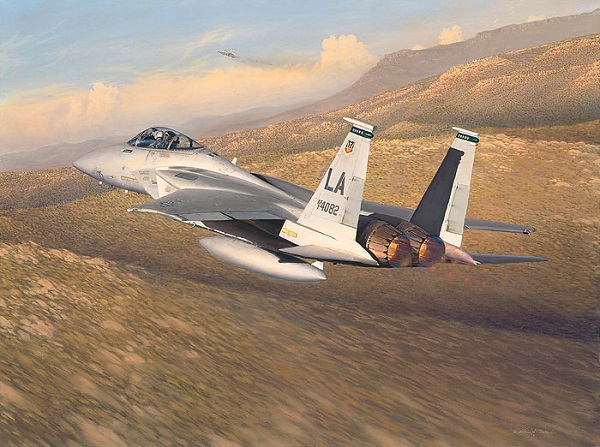
US Central Command didn't hesitate. Within hours, Navy and Air Force fighter jets blasted ten separate Iranian military installations near the strategic ports of Sirik and Qeshm. They targeted drone launch sites, communication systems, and coastal radar stations.
Iran Strikes Back in Kuwait and Bahrain
If Washington expected Iran to retreat quietly, they severely miscalculated the Islamic Revolutionary Guard Corps. Tehran responded not by backing down, but by widening the crossfire directly into neighboring Gulf states.
On Sunday morning, air raid sirens wailed across Bahrain. The IRGC claimed direct responsibility for launching a wave of missile and drone strikes against two critical American military hubs in the region.
- The Ali al-Salem air base in Kuwait came under heavy fire.
- The US Navy's Fifth Fleet naval base at Port Salman in Bahrain was directly targeted.
The IRGC announced they successfully destroyed eight distinct military structures across those bases. They issued a stark warning through state media channels, declaring that any further American aggression would be met with an even more crushing blow. Simultaneously, they claimed absolute sovereignty over the Strait of Hormuz, stating that no commercial vessels are allowed to transit the waterway without explicit Iranian approval.
The Real Reason This Standoff is So Dangerous
The media keeps focusing on the political rhetoric, but the real crisis is economic geography. The Strait of Hormuz is the most vital chokepoint in global energy markets. It's a narrow strip of water where a third of the world's liquefied natural gas and a fifth of global oil consumption passes every single day.
If Iran closes the strait completely, global oil supply plummets instantly. Prices skyrocket. Inflation surges back with a vengeance.
Iran knows this is their ultimate leverage. Foreign policy analysts note that Tehran is intentionally using calibrated, low-level violence in the shipping lanes. They want to pressure Washington without sparking a total ground invasion. They know that with the US midterm congressional elections looming in November, Trump is under intense domestic pressure to deliver a stable economy. Iran is betting that Trump is bluffing about total annihilation because a full-scale war would destroy the global economy right before Americans head to the ballot box.
The Unresolved Nuclear Elephant in the Room
Beyond the shipping lanes, the underlying trigger for this entire war remains completely unresolved. The Swiss memorandum of understanding was supposed to create a 60-day window for technical teams to negotiate a permanent solution for Iran’s nuclear program.
The core dispute is simple. The US and Israel uncovered more than 900 pounds of highly enriched, near-weapons-grade uranium buried deep underground at Iranian storage facilities. The US demands total elimination of all enrichment capabilities and immediate, unfettered access for International Atomic Energy Agency inspectors. Tehran insists they have a sovereign right to low-level civilian nuclear enrichment and refuses to let inspectors near the bombed storage sites until all US economic sanctions are permanently lifted.
While JD Vance suggests a temporary moratorium on enrichment could be a middle ground, Trump's latest military moves have effectively frozen those talks. You can't negotiate a complex nuclear disarmament treaty while trading ballistic missile strikes in the Persian Gulf.
What Happens Next
The path forward is incredibly narrow, and the margins for error are virtually nonexistent. Watch the actions of regional players and shipping conglomerates over the next 48 hours to see where this crisis goes.
First, keep a close eye on the International Maritime Organization. They just paused their tracking and routing protocols for safe transit through the northern and southern corridors of the strait. If commercial shipping lines completely halt traffic through Hormuz due to soaring insurance premiums, the global economic fallout will begin immediately.
Second, watch the diplomatic backchannels in Pakistan and Oman. If those mediators cannot get both sides back to the negotiating table within days, the current "tit-for-tat" military dynamic will inevitably escalate into the exact full-scale war that Trump is threatening. The peace deal isn't officially dead yet, but it's currently on life support in the middle of a war zone.