You have probably seen this movie before, and it usually ends with a lot of yelling on cable news. A White House decides to talk to Tehran, rumors swirl about releasing billions of dollars in frozen assets, and critics immediately warn that the cash will directly fund drone strikes and regional militias.
But this time, the Trump administration claims it has a weird, hyper-specific mechanism to prevent that.
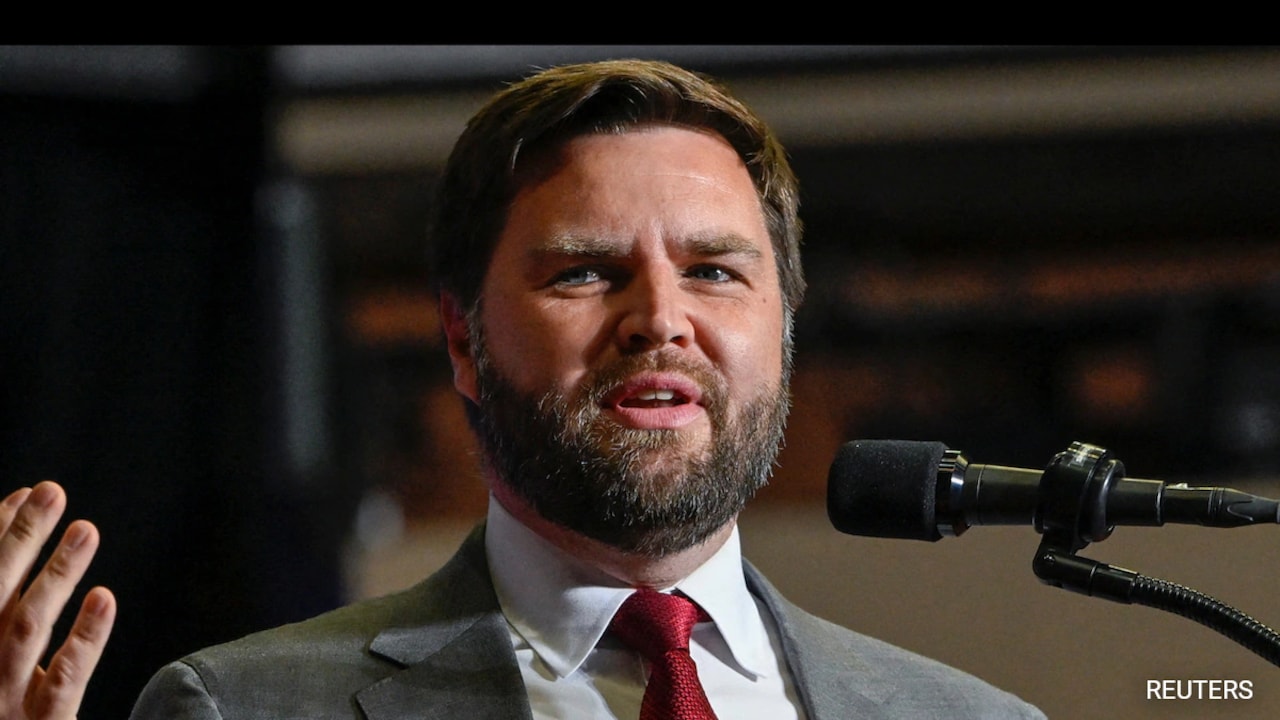
Speaking in Bürgenstock, Switzerland, Vice President JD Vance pitched what he called a "classic Trump deal" to resolve the financial standoff. The plan? If the United States and its partners agree to unfreeze any Iranian assets as part of a broader Middle East peace package, Tehran will never actually touch the cash. Instead, the money will route through strict channels to buy American corn, wheat, and soybeans.
It is a bizarre blend of high-stakes geopolitics and Rust Belt agricultural policy. The administration thinks it can feed regular Iranians, secure a regional ceasefire, and enrich American farmers all at the same time. Let's look at how this mechanism is supposed to work and why it faces a steep uphill climb.
The Bürgenstock Blueprint and the Kushner Plan
The talks in Switzerland follow a turbulent period, including a shaky ceasefire after nearly 40 days of direct regional fighting. Last week, President Donald Trump and Iranian President Masoud Pezeshkian signed a memorandum of understanding, opening a strict 60-day window to negotiate on sanctions, nuclear inspections, and asset recovery.
Vance met with high-level Iranian officials, including Parliament Speaker Mohammad Bagher Ghalibaf, to hammer out the operational details. Qatar and Pakistan have been acting as the primary mediators, pulling the strings behind the scenes.
According to Vance, the actual architecture of this asset release program came from Trump's son-in-law, Jared Kushner, working alongside Qatari officials.
Under the proposed framework, the United States and Qatar hold absolute veto power over how the money moves. If an asset is unfrozen, it sits in controlled accounts. Iran can request to use the funds, but only for specific humanitarian goods. The administration is explicitly tying this to American agricultural exports.
"If Iranian assets are ever unfrozen, they're going to go to make American farmers richer and to feed the Iranian people," Vance told reporters before boarding Air Force Two.
For the administration, this solves a massive political headache. Domestically, the idea of "giving money to Iran" is toxic. By reframing the cash as a mandatory subsidy for domestic corn and soy growers, they are attempting to flip a geopolitical vulnerability into a domestic win.
The Logistics of Weaponized Grain
To understand why this is a massive shift, look at the actual trade data between the two nations. According to data from the USDA Foreign Agricultural Service, the United States exported just $3.4 million in total farm goods to Iran last year. Crucially, that figure included zero soybeans, zero wheat, and zero corn.
Historically, Iran gets its grain from places like Russia, Brazil, and domestic crops. Forcing them to buy from Iowa and Illinois farmers changes the entire flow of their supply chain.
The mechanism relies on a strict three-step verification process:
- The funds remain held in third-country banking institutions, heavily monitored by Qatari and American treasury officials.
- Iran submits procurement orders for grain directly to verified American agricultural cooperatives.
- The funds transfer directly from the controlled accounts to the American sellers. The physical commodities are then shipped to Iranian ports under international observation.
By keeping the liquidity out of Tehran's hands, the administration argues that not a single dollar can be diverted to Hezbollah or other proxy groups. Vance claims the talks have already laid a solid foundation for wider regional stability, pointing out that millions of barrels of crude oil and natural gas are again flowing through the Strait of Hormuz after weeks of disruptions. The Treasury Department even issued a temporary license suspending oil sanctions through August 21, 2026, to grease the wheels of the talks.
Why This Plan Faces Serious Friction
It sounds clean on paper, but international diplomacy is rarely tidy. Even as Vance tried to project confidence in Switzerland, the entire process almost fell apart due to standard Washington political theater.
Iranian state media reported that negotiations were briefly suspended over the weekend following a highly aggressive social media post from President Trump, who openly threatened Tehran over its continued alignment with Hezbollah in Lebanon. While Iranian Foreign Minister Abbas Araghchi acknowledged that major progress had been made toward a permanent ceasefire, the diplomatic friction highlights how fragile this setup really is.
Furthermore, economic experts are skeptical about the fungibility of money. If the United States forces Iran to use frozen assets to buy food, that frees up millions of dollars from Iran’s regular domestic budget—money they would have spent on grain anyway. Critics argue that Tehran can simply take their newly saved domestic revenue and reallocate it straight to their defense programs.
There's also the reality of the agricultural markets themselves. Major industry groups, including the American Soybean Association and National Corn Growers Association, have remained notably quiet following Vance's announcement. Trade groups are hesitant to celebrate a political agreement that could evaporate with a single tweet or a sudden violation of the ceasefire.
What Happens Next
The clock is ticking loudly on this strategy. The memorandum signed last week gives both sides less than two months to turn this conceptual framework into a legally binding, operational treaty.
For the plan to succeed, the administration needs to hit three immediate milestones:
- Maintain the fragile ceasefire between Israel and Hezbollah to prevent regional escalation from shattering the diplomatic track.
- Finalize the technical banking rules with Qatar to ensure the financial firewall around the frozen assets is completely airtight.
- Secure explicit compliance from the Iranian delegation regarding the return of international UN nuclear inspectors, which Vance noted is a non-negotiable part of the final deal.
The administration has laid the groundwork, but they haven't built the house yet. Whether this turns into an innovative diplomatic tool or just another failed attempt to manage Tehran depends entirely on what happens in these controlled banking rooms over the next 50 days.


