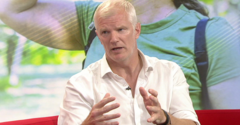
You see it in every political cycle. A major party faces a bruising defeat or a sudden vacancy at the top, and immediately, the media begins its favorite parlor game. They start hunting for the next leader.
When an experienced ex-minister refuses to rule out a leadership bid, it’s rarely an accident or a moment of indecision. It’s a calculated, deliberate opening move. In British politics, public declarations aren't about transparency. They are about testing the waters, freezing out rivals, and buying precious time while the backroom operations get moving. For a more detailed analysis into similar topics, we recommend: this related article.
The Strategic Logic of Saying Nothing
Most people think politicians who say they haven't ruled out a bid are just being evasive. Honestly, it's the exact opposite. Saying you aren't ruling it out is an active political statement. It signals to donors, fellow members of parliament, and the public that your team is organized, your ambition is intact, and you are ready to collect pledges of support.
If a high-profile figure rules themselves out too early, their political currency drops to near zero. They lose leverage in policy debates. They can no longer command television interviews or shape the narrative of where the party goes next. By remaining a potential candidate, an ex-minister ensures they stay relevant in the conversation. For further background on this topic, comprehensive coverage can be read on The New York Times.
Political analysts often point to historical leadership contests, like the Conservative transitions in 2016 and 2022 or Labour's shifts after general defeats, where early frontrunners stumbled precisely because they moved too fast. Holding back while keeping your name in the headlines is a classic defensive maneuver.
What Happens Behind Closed Doors
While an ex-minister gives vague answers on the morning news programs, their actual campaign team is doing heavy lifting behind the scenes. A modern leadership challenge requires hundreds of moving parts to align perfectly before an official launch.
- Checking the Numbers: No serious politician announces a bid without a core group of parliamentary colleagues locked in. Staffers spend hours on encrypted messaging apps counting guaranteed votes.
- Securing Financial Backing: Campaigns are expensive. High-net-worth donors need reassurance that a candidate has a viable path to victory before they open their checkbooks.
- Drafting the Platform: You need a policy offer that appeals to the ideologues in the party membership without alienating the moderate MPs who actually vote in the initial parliamentary rounds.
The biggest mistake an ambitious politician can make is launching without this infrastructure. We saw this clear as day in various past UK leadership scrambles where candidates declared early on an impulse, only to drop out days later due to a lack of nominations.
Why Timing is Everything
If you move too early, you become a target. Opponents dig up old voting records, controversial quotes, and past policy failures to sink your campaign before it gets off the ground. The media scrutinizes your record with a microscope.
If you wait too long, someone else fills the vacuum. A rival captures the momentum, locks down the key endorsements, and builds an unstoppable narrative of inevitability.
It is a delicate balancing act. An ex-minister keeping their options open is trying to hit that perfect window where the party recognizes it needs experience, but before any single rival creates an unassailable lead. They are waiting for other candidates to declare first, take the heat, and potentially self-destruct.
The Real Path Forward
If you are watching a leadership race unfold and trying to figure out who actually has a shot, ignore the public soundbites. Watch where the key backbench organizers go. Look at who the senior party grandees are quietly praising in private briefings.
The next step in any serious leadership bid isn't an interview on the BBC. It's a series of private dinners, quiet phone calls, and policy papers circulated among parliamentary factions. That is where leadership contests are won or lost. The public statements are just the smoke; the real fire is always out of sight.