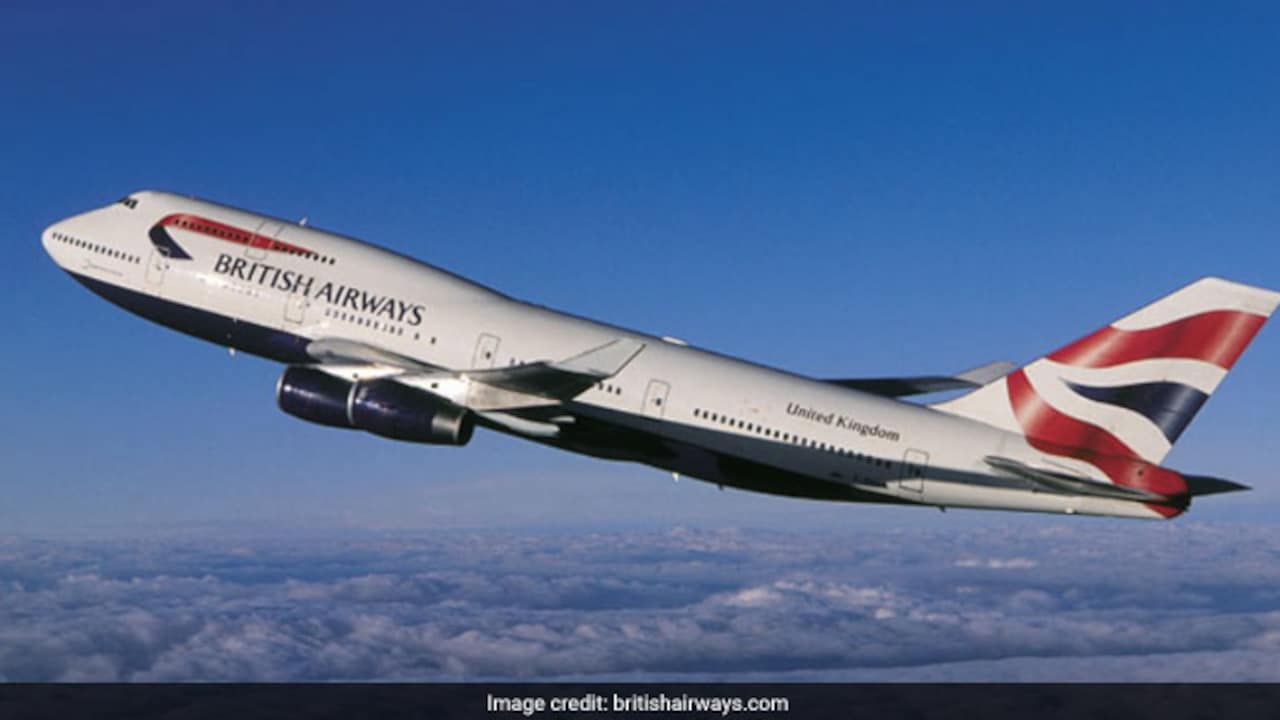
You pack your bags, head to the airport, and look up at the departures board only to see that dreaded red text flashing next to your flight number: CANCELLED. It’s the ultimate holiday nightmare, and unfortunately, it's becoming a harsh reality for thousands of travelers this season.
A major airline strategy shift is hitting the industry hard. Major carriers like Lufthansa have already announced massive schedule cutbacks, axing up to 20,000 flights through the peak summer months. Now, new updates show targeted cancellations cutting deep into the schedule starting August 5.
If you have a holiday booked for August or later, you can't afford to just sit back and hope for the best. You need to know exactly why this is happening, which routes are on the chopping block, and how to protect your money and your sanity before you get stranded.
The August 5 Cutoff and What Is Driving the Chaos
Airlines aren't cancelling flights on a whim. The industry is facing a perfect storm of operational headaches that have forced them to trim their schedules to avoid total collapse at the terminal.
The August 5 date marks a critical turning point for late-summer schedules. Carriers are consolidating their operations to cope with several severe bottlenecks.
- Global Airspace Restrictions: Ongoing geopolitical conflicts, particularly closures across the Gulf and the Middle East, have forced long-haul flights into longer, more expensive detours.
- The Fuel Price Spike: Rising operational and fuel costs mean airlines can no longer afford to fly near-empty planes. If a flight isn't heavily booked, it gets axed.
- Air Traffic Control Shortages: European and UK air traffic management networks are short-staffed, leading to mandatory caps on the number of daily flights permitted in busy corridors.
The UK government even stepped in by temporarily relaxing airport slot rules. This mechanism gives airlines the flexibility to drop underperforming flights from their schedules early without facing steep financial penalties. While the government argues this prevents chaotic, last-minute cancellations directly at the boarding gate, it leaves travelers holding tickets for August 5 onwards scrambling to rewrite their holiday plans.
The Specific Routes Facing the Highest Risk
You don't need to panic equally about every single flight. The cancellation risk varies wildly depending on where you are flying and who you are flying with.
Data from aviation experts shows that high-frequency holiday routes—like London to popular spots in Spain, Greece, or France—actually have a lower risk of leaving you completely stranded. Why? Because these flights boast high load factors. Even if one flight gets cut, airlines have multiple departures on the same day to absorb the displaced passengers.
The real danger zone lies in mid-frequency regional routes and specific long-haul hubs. For instance, Lufthansa's massive cull heavily targets specific regional connections out of Frankfurt to destinations like Norway and Poland. Similarly, carriers like KLM have trimmed dozens of flights from their Amsterdam Schiphol hub. If you are flying on a route that only operates once a day or a few times a week, a cancellation means you won't easily slide onto a flight leaving a couple of hours later.
Your Legal Rights When an Airline Scraps Your Flight
Don't let an airline representative tell you that you are out of options. If your flight departs from a UK airport, or arrives in the UK on a UK or EU carrier, you are fiercely protected by passenger rights laws.
When an airline cancels your flight, they owe you a clear choice between two things.
- A Full Refund: You get every penny back for the unused parts of your ticket within seven days.
- Alternative Routing: The airline must get you to your destination at the earliest opportunity.
Crucially, "earliest opportunity" does not mean you have to wait for their next available plane if it's days away. If a rival airline has an open seat that gets you to your destination sooner, your original airline is legally obligated to book you onto that competitive flight.
Food, Hotels, and Essential Care
If the cancellation happens while you are already at the airport, or if it pushes your new flight to the next day, the airline must take care of you. They are required to provide food and drink vouchers, hotel accommodation, and ground transport between the airport and the hotel.
If the airport staff is completely overwhelmed and fails to hand out vouchers, you have the right to arrange reasonable care yourself. Book a modest hotel room, grab a basic meal, and keep every single receipt. You can claim these expenses back from the airline later. Just don't go booking a five-star luxury suite, because they will reject the claim.
The Truth About Financial Compensation
Can you get extra cash on top of a refund or rebooking? It depends entirely on timing and the root cause.
If the airline notifies you of the cancellation less than 14 days before your departure, you may be entitled to fixed statutory compensation ranging from £220 to £520, depending on the distance of the flight.
Flight Cancellation Compensation Tiers (UK/EU Law)
---------------------------------------------------------
Short-haul (Up to 1,500 km)      | £220 per passenger
Medium-haul (1,500 to 3,500 km)  | £350 per passenger
Long-haul (Over 3,500 km)        | £520 per passenger
However, there is a massive catch. Airlines do not have to pay this compensation if the cancellation is caused by "extraordinary circumstances" beyond their control. Severe weather, air traffic control strikes, or sudden military airspace closures qualify as extraordinary. Internal airline issues, such as staff shortages or mechanical breakdowns, do not. Because the August 5 schedule updates are being planned weeks in advance, direct cash compensation for these specific cuts will be tough to get if they give you the required two-week notice.
Actionable Steps to Take Right Now
Waiting around for an email notification is a losing strategy. Take control of your summer travel schedule by taking these immediate steps.
Check Your Flight Status Manually
Don't assume your booking is safe just because you haven't received an alert. Log into the "Manage My Booking" section of the airline’s website or app at least once a week. Check the active flight schedules to ensure your specific flight number is still operating.
Download the Airline App Before Leaving for the Airport
When a flight gets cancelled, the queue at the airport customer service desk forms instantly and moves at a snail's pace. You can bypass that line entirely. Airlines load rebooking options directly into their mobile apps the moment a flight is flagged. You can often choose a new flight and get your updated boarding pass with three taps on your screen while others are still standing in line.
Review Your Travel Insurance Policy
Not all travel insurance policies are built the same. Standard, cheap policies often exclude schedule changes made by the airline prior to departure, expecting the carrier to foot the bill. Look over your policy document right now to see if you have "Travel Disruption" or "Scheduled Airline Failure" coverage. If your flight gets cancelled and the alternative options ruin a non-refundable hotel booking, a solid insurance policy is your only safety net for recovering those hotel losses.
Know Your Alternatives
If your August flight is on a route known for volatility, map out a backup plan today. Look at alternative airports nearby, check rail options if you are traveling within Europe, and know which alternative carriers fly the same route. Being armed with specific flight numbers when you speak to a rebooking agent gives you a massive advantage over passengers who just say, "Help me."