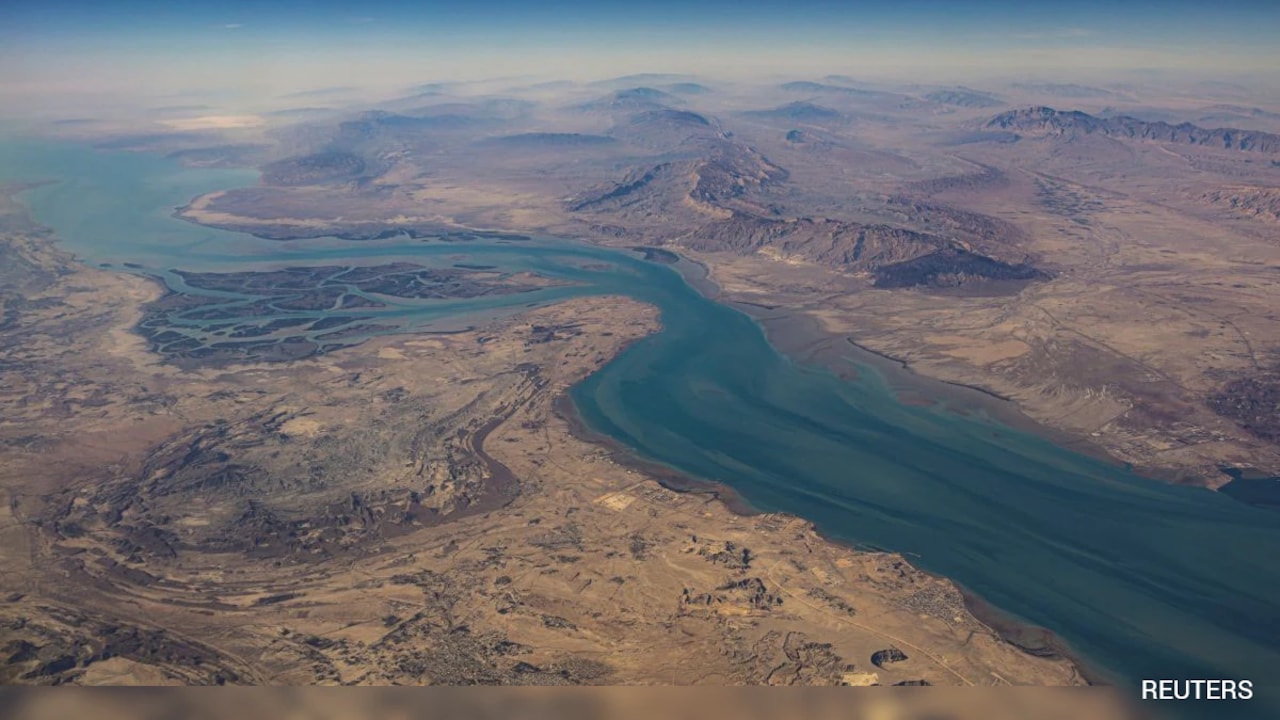
The global economy just took a massive hit. You might not see it at your local gas pump by tonight, but the shockwaves are already moving through global shipping lanes. Iran just shut down the Strait of Hormuz again. This wasn't a sudden, unprovoked tantrum. Tehran claims the decision is a direct response to Israel's non-stop military operations in southern Lebanon, which they argue completely shreds the fragile ceasefire memorandum of understanding signed just days ago with the United States.
If you think this is just another isolated spat in a distant corner of the world, think again. The Strait of Hormuz is the single most vital choke point for the world's energy supply. A fifth of global oil and liquefied natural gas moves through this narrow strip of water between Oman and Iran. When Iran drops the gate, global markets freak out.
Let's break down exactly what happened, why the recent US-Iran peace deal is falling apart at the seams, and what this means for global markets and your everyday expenses.
The Deal That Lasted Less Than a Week
Just a few days ago, there was cautious optimism. US President Donald Trump and Iranian President Masoud Pezeshkian signed a preliminary memorandum of understanding. The agreement was supposed to launch a 60-day window to hash out a permanent peace deal, address Iran's nuclear program, and ease heavy economic sanctions. Part of that deal required Iran to reopen the Strait of Hormuz to commercial traffic and waive transit fees.
The ink wasn't even dry before the agreement hit a wall.
The core issue comes down to the very first clause of that memorandum. It explicitly required an immediate and permanent termination of military operations on all fronts, including Lebanon. The United States and Iran promised to ensure the territorial integrity and sovereignty of Lebanon.
But there was a glaring flaw in this diplomatic masterpiece. Israel wasn't a party to the agreement. Prime Minister Benjamin Netanyahu made it clear that his military answers to no one but the security needs of its own citizens.
Over the last 48 hours, Israeli forces slammed targets across southern Lebanon. Air raids lit up dozens of locations around Nabatieh and Sidon. Dozens of people died, including children. Israel insists it's defending itself against ongoing rocket fire from Hezbollah, claiming the group launched over 50 projectiles at its troops overnight under the cover of the supposed truce. Hezbollah counters that Israel used the truce as a smokescreen to launch an infiltration attempt toward strategic hills overlooking Nabatieh.
For Iran, seeing its most crucial regional ally pounded while Washington stands by was the final straw.
Tehran Calls Out a Breach of Trust
Iran's top joint military command didn't mince words on Saturday. They declared the closure of the Strait of Hormuz a direct consequence of Washington's clear breach of trust. The Khatam al-Anbiya Central Headquarters announced that the blockade is only the first step of response to the enemy's broken promises. They warned that if the military operations in Lebanon don't stop, further steps are already planned to force compliance.
The Islamic Revolutionary Guard Corps Navy followed up with an ominous warning to international shipping companies, telling vessels to stay far away from the strait because their security can no longer be guaranteed.
This brings shipping right back to square one. Before this brief, failed reopening, ships had to submit transit requests 48 hours in advance and prepare for steep fees or outright denial. Now, the route is completely dark.
What makes this situation messy is the conflicting messaging coming out of Washington. Right before the official Iranian announcement, US Vice President JD Vance told reporters there was no evidence Iran was planning to shut the waterway down. Shortly after the closure went live, the US military tried to project calm, reporting that dozens of merchant vessels had managed to transit the strait earlier in the day. But trying to downplay the situation won't change the hard math of global maritime logistics.
The Economic Aftershock Heading Your Way
When the Strait of Hormuz closes, insurance companies immediately hike premiums for cargo vessels to astronomical levels. Some shipping lines will choose to bypass the region entirely, rerouting massive tankers around the southern tip of Africa. That adds weeks to transit times and millions of dollars in fuel costs per trip.
You don't need an economics degree to figure out who pays for those extra costs. The consumer always bears the burden.
Oil prices are highly sensitive to geopolitical friction. Even a brief disruption in the flow of 17 million barrels of oil a day can send crude prices spiking. If oil prices sustain a high baseline over the next few weeks, you'll see it reflected in everything from the price of airline tickets to the cost of groceries delivered by diesel-guzzling semi-trucks.
The broader diplomatic picture looks incredibly grim too. An Iranian delegation was scheduled to fly to Switzerland for the next round of detailed talks with American diplomats. Iranian Foreign Minister Abbas Araghchi made it clear that the whole trip is now about holding Washington's feet to the fire. If the US can't or won't restrain Israel from hitting Lebanon, Iran says the entire memorandum of understanding is completely dead. The hope of rolling back sanctions and containing Iran's nuclear program is evaporating.
Your Strategic Next Steps
Geopolitical instability isn't something you can control, but you can protect yourself from the economic ripples it creates. Waiting until prices jump across the board is a losing strategy. Here's how you can prepare right now.
- Lock in predictable transportation costs. If you have travel plans later this summer or fall, purchase your airline tickets now before fuel surcharges start creeping into airline algorithms.
- Audit your energy expenses. High oil prices usually bleed into broader energy sectors, including natural gas and electricity. Look into fixed-rate utility plans if they're available in your area to shield yourself from volatile seasonal spikes.
- Diversify your investment portfolio. If your assets are heavily weighted in industries sensitive to fuel costs, like transport or retail logistics, consider rebalancing. Historically, energy sector equities and commodities tend to hedge against shipping bottleneck risks.
- Anticipate supply chain lags. It's not just oil that moves through global trade routes. If you rely on specialized manufactured goods or electronic components that travel via maritime freight, place your orders early to account for potential shipping backlogs.
The situation in the Middle East is moving incredibly fast. The illusion of an easy peace deal has shattered, and the world is realizing that paper agreements don't mean much when the rockets are still flying. Keep your eyes on the energy markets over the next few days. They'll tell you exactly how long and painful this blockade is going to be.
This brief summary on the Strait of Hormuz closure gives a quick, direct look at the immediate media reaction right when the initial reports of the blockade broke.