Wildfires aren't just a distant threat in remote forests anymore. If you think living in a developed neighborhood offers a shield against nature, the sudden Upriver Fire in Spokane just shattered that illusion. High winds drove a fast-moving Eastern Washington wildfire directly into a densely populated residential community, proving that embers don't care about property lines or suburban setups.
When the wind shifts, survival becomes a matter of minutes. That is the reality facing Spokane residents after a dramatic blaze forced 1,500 people to flee their homes on a moment's notice, leaving behind everything from family heirlooms to life-saving medications.
The Reality of the Upriver Fire in Spokane
The fire started just after noon on Tuesday, June 16, 2026, near Upriver Drive in northeast Spokane. It began in an area known as Beacon Hill and quickly marched up the slopes. John Leavell, a battalion chief with the Spokane Valley Fire Department, was among the first to spot the rising smoke while driving near Interstate 90. He knew instantly that crews were dealing with an aggressive beast, later describing the sight as literal waves of fire climbing the hillside.
What makes this specific event terrifying is how fast the environment turned hostile. Fire district spokesman Robert Gray noted that the blaze initially climbed away from properties. Then the wind shifted. In an instant, the flames were pushed directly into the Northwoods neighborhood.
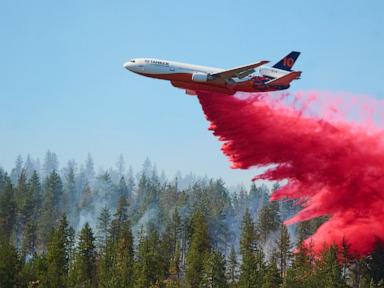
Firefighters from Washington and Idaho rushed to attack the flames from both the ground and the air, dropping fire retardant to slow the spread. Despite their quick deployment, the fire grew to 225 acres in what felt like the blink of an eye. Avista utilities had to cut power to the area to keep emergency crews safe, leaving dark neighborhoods even more chaotic as families tried to pack up and get out. By Wednesday morning, the National Interagency Fire Center reported the blaze was a mere 10% contained.
Why Wind Shifts Change Everything in Seconds
Suburban developments near natural hillsides create a unique hazard zone. When a wildfire hits dry grass and pine trees, hot air rises and draws in cooler air, creating its own microclimate. Add high regional winds to the mix, and you get an unpredictable fire behavior that leaves no room for hesitation.
Many residents in the Northwoods area didn't get an emergency text or a formal warning hours in advance. Instead, they got a frantic knock on the door from a sheriff's deputy telling them to run. Spokane County Sheriff John Nowels pointed out that the rush was so intense that people left behind critical daily medications.
The weather offered a slight break on Wednesday as temperatures dropped toward 80 degrees and winds calmed down, but the underlying danger hasn't vanished. Chandra Fox, the deputy director for Spokane County Emergency Management, kept evacuation orders firmly in place because afternoon wind gusts could easily kick the sleeping giant back to life.
The Tragic Cost of Ignoring an Evacuation Order
Material things can be replaced. Houses can be rebuilt with time and insurance money. Human life cannot.
The most somber update from the Spokane County Sheriff's Office came on Wednesday afternoon. A forensic unit discovered what appeared to be human remains inside one of the 15 destroyed homes. A worried family member had asked for a wellness check because a resident refused to leave the property when the evacuation orders went live.
This brings up a hard truth about wildfire safety. When an official tells you to leave, you leave. Staying behind doesn't just jeopardize your own life, it forces first responders to risk their lives searching for you when they should be focused on stopping the fire. Sheriff Nowels explained that officers had to escort displaced residents back to their properties one by one just so they could grab essential medication before ushering them right back out. It is a slow, dangerous process that complicates an already messy emergency response.
The Hard Lessons from the Eastern Washington Wildfire Season
The Federal Emergency Management Agency stepped in quickly, authorizing Fire Management Assistance Grant funds to help cover the massive costs of fighting the Spokane blaze. This was the very first fire grant awarded this season for a Washington wildfire, and regional directors openly warned that the situation had the potential to become a major disaster. The flames threatened a school, vital power lines, public parks, local businesses, and area wildlife.
If you look at the macro data, this is not an isolated piece of bad luck. The numbers show a deeply troubling trend for the entire country.
- Over 32,000 fires have already burned more than 3,900 square miles across the United States so far this year.
- The 10-year historical average for this point in June sits at roughly 24,000 fires burning 2,200 square miles.
- We are looking at a massive spike in both fire starts and total burned acreage compared to what used to be normal.
Fuel models and weather predictions from the National Interagency Fire Center show an elevated risk of severe fires across multiple states. Dry winters followed by sudden heat spikes create a perfect tinderbox. Grasses grow quickly in the spring rain, dry out over a few hot weeks, and turn into fine fuel that ignites with a single spark or a lightning strike.
How to Protect Your Own Property Before the Smoke Arrives
You can't control the wind, but you can control how vulnerable your home is to flying embers. Most homes lost to wildfires don't burn down from a giant wall of flames. They catch fire because tiny, glowing embers fly blocks ahead of the main fire front and land in dry leaves, wooden decks, or attic vents.
Take a morning to look at your property through the lens of fire safety. Create a defensible space by removing dead bushes, clearing pine needles from your gutters, and keeping your lawn mown short. Move firewood piles at least thirty feet away from your house. If you have wooden fences attached directly to your siding, look into breaking that continuous path with a metal gate or a non-combustible barrier.
You also need an unshakeable evacuation plan. Pack a bag right now with copies of your vital documents, a few days of clothing, and any essential prescriptions. When a fire breaks out nearby, don't wait for a deputy to knock on your door. If you feel unsafe or see smoke blowing toward your neighborhood, load up and get out early.
The Upriver Fire is a stark reminder that wildfire season doesn't care if you live in the city limits or a quiet cul-de-sac. Preparedness is the only thing standing between an organized exit and a total tragedy. Clear your gutters, back up your files, and establish an emergency plan before the smoke shows up on your horizon.