You hear about a missing child report, and your stomach immediately drops. On a Friday afternoon at Dream Park in Fort Worth, Texas, that nightmare became a reality for one family. A little boy vanished near the busy playground area along University Drive. Within minutes, a routine afternoon turned into a frantic, high-stakes race against the clock.
What could have been a catastrophic tragedy ended in a miracle, thanks to the sharp eyes and immediate action of a Fort Worth police officer. When a child disappears near open water, the margin for error disappears completely. This rescue is a masterclass in how rapid police response and situational awareness save lives when every tick of the clock counts. Expanding on this theme, you can find more in: Why Macrons Flattery of Trump at Versailles Matters.
Spotted in the Weeds
The emergency call hit the dispatch board around 12:05 p.m. Fort Worth police officers rushed to the scene near Dream Park, immediately fanning out along the banks of the nearby Trinity River. Searching for a small child in an open park is hard enough. Searching for one near a river line thick with heavy brush and reeds is terrifying.
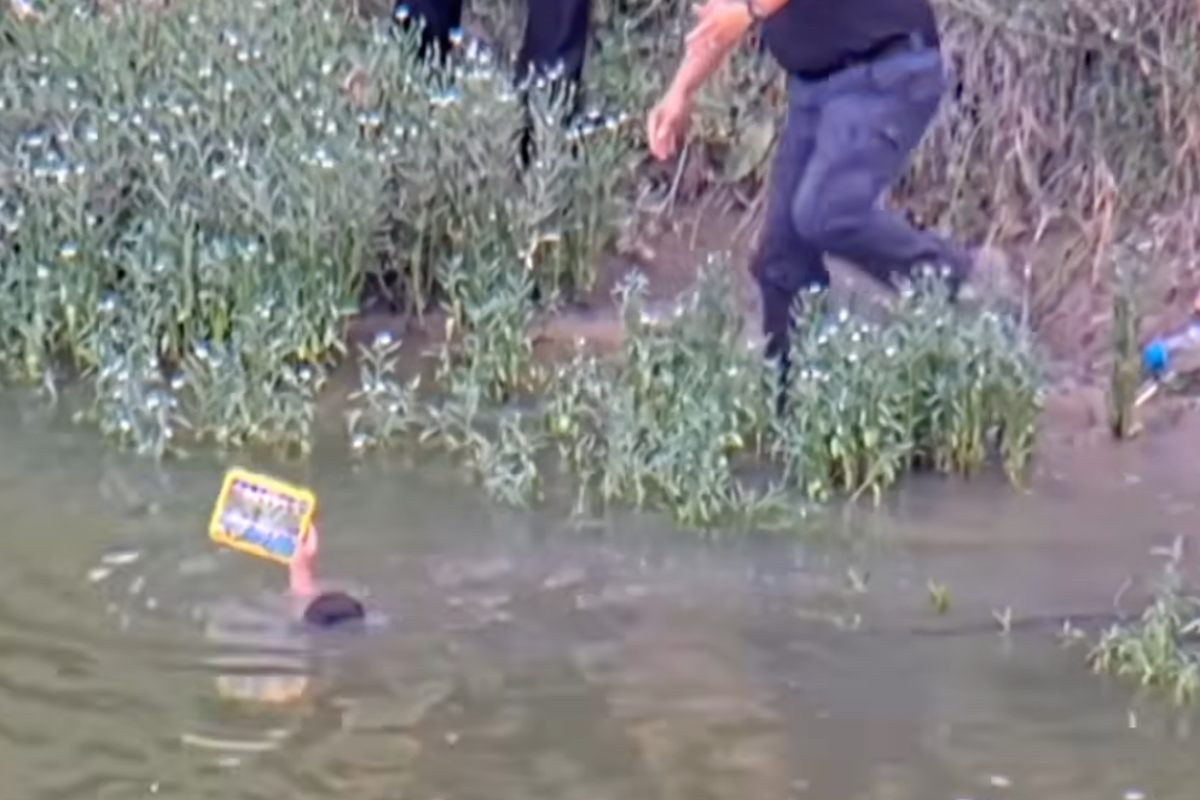
As officers combed the shoreline, one officer noticed a flash of yellow sticking out above the tall weeds near the water's edge. He didn't ignore it. He didn't wait for backup to investigate. He ran toward it. Observers at Reuters have also weighed in on this matter.
That flash of yellow was a toy held above the head of the missing boy. The youngster was already partially submerged along the muddy shoreline, hidden from plain view by the thick river vegetation.
The Disorientation Trigger
When the officer approached the bank, the situation shifted from urgent to critical. The boy appeared visibly disoriented and confused. Instead of moving toward the officer's voice, the child began wading deeper into the Trinity River.
This is a phenomenon that search and rescue experts understand well, but it catches most people off guard. Small children, especially those under intense stress or those on the autism spectrum, often don't react rationally to sirens or loud commands. Instead of running toward safety, they may flee deeper into dangerous environments like dense woods or deep water.
The boy began slipping under the surface of the river. He was actively drowning right in front of the responding officers.
Going Under the Surface
The bodycam footage captures the terrifying moments as the officer sprinted down the slippery bank. There was no time to shed heavy tactical vests, utility belts, or boots. The officer plunged straight into the Trinity River, waded through the thick mud, and grabbed the boy just as he began to slip completely under the water.
The officer pulled the child to the safety of the shore before the current or water intake could cause irreversible damage.
The Fort Worth Fire Department met the officers on the bank to conduct an immediate medical evaluation. Miraculously, aside from being shaken up and disoriented, the boy was determined to be physically safe and was reunited with his frantic family later that day.
The Harsh Reality of Child Water Tragedies
This Fort Worth rescue highlights a broader issue that public safety officials struggle with every summer. Water draws children in. According to data from the Centers for Disease Control and Prevention (CDC), drowning remains the leading cause of accidental death for children aged 1 to 4 in the United States, and it's the second leading cause for kids up to age 14.
Natural bodies of water like the Trinity River present unique hazards that swimming pools don't.
- Zero Visibility: The water is murky, meaning a submerged child disappears from sight instantly.
- Drop-offs: Riverbeds are completely unpredictable. A child can walk through ankle-deep water and suddenly step into a six-foot drop-off.
- Undercurrents: Even slow-moving rivers have currents beneath the surface that can easily sweep a small child away.
In this specific case, the Fort Worth Police Department noted that the difference between a successful rescue and a recovery operation was literally a matter of seconds. If the officer hadn't caught that brief glimpse of a yellow toy through the brush, the outcome would have been devastating.
Active Supervision and Layers of Protection
Relying on a miracle rescue isn't a safety strategy. If you frequent parks, trails, or open spaces near natural water sources with children, you need to implement active supervision.
Active supervision means you aren't looking at a phone, reading a book, or assuming someone else is watching the kids. It means keeping eyes on them at all times.
If a child does go missing near a body of water, always check the water first. Minutes spent checking public restrooms, parking lots, or playgrounds are lethal if the child has wandered into a river or pond. Inform emergency dispatchers immediately if there is water nearby so they can route dive teams and specialized water rescue units to the scene without delay.
Check out this detailed local news coverage of the Fort Worth river rescue to see the actual bodycam footage of the moment the officer spotted the child and pulled him from the Trinity River.