If you planned a trip or a move to Tokyo recently, your budget just took a direct hit. Japan just quieted the room by rolling out a staggering 500 percent increase on certain visa fees for foreigners. It caught almost everyone off guard.
For years, entering Japan was financially an afterthought. The visa processing fees were nominal, almost token amounts compared to the cost of flights or accommodation in Shinjuku. That era is officially over. The Japanese government is shifting its strategy, and your wallet is the target.
This isn't just about a few extra yen at the border. It marks a fundamental pivot in how the country manages the exploding numbers of people crossing its borders. Let's look at what is actually happening behind the headlines, who gets hurt the most, and how you can navigate the new financial reality.
The Shocking Reality of the 500 Percent Jump
Let's look at the numbers. While specific fees vary depending on your country of origin due to reciprocal international agreements, the baseline baseline spikes are uniform in their severity. Multiple-entry visas and specific long-term stay categories that used to cost around 6,000 yen have skyrocketed toward the 30,000 yen mark overnight.
It is a massive change. For a family of four moving for a corporate transfer or an extended stay, visa acquisition suddenly demands a major line item in the relocation spreadsheet.
Why now? The official channels point toward administrative strain and the modernization of border systems. Anyone who has dealt with Japanese immigration knows the system relies heavily on paper, physical stamps, and endless queuing. The government claims these new funds will directly subsidize digital infrastructure. They want a smoother entry process. But for the person paying five times more at the embassy, that promise feels incredibly distant.
The Weak Yen and the Overtourism Boiling Point
You cannot separate this visa fee spike from Japan's broader economic reality. The yen has spent the last few years hovering at historic lows. For tourists holding US dollars, euros, or British pounds, Japan became an absolute bargain. Luxury dinners cost the same as a casual lunch back home. Hotel rooms were steals.
This environment triggered an unprecedented wave of overtourism.
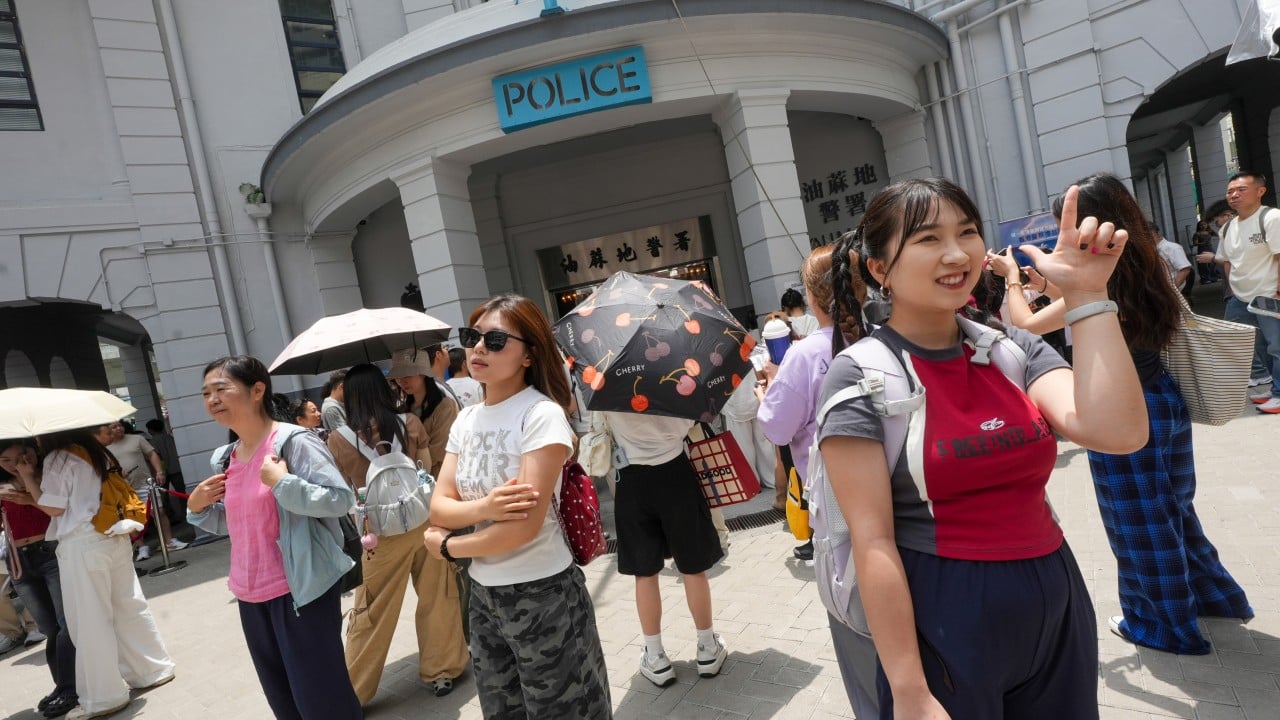
Kyoto residents can barely board local buses anymore. Rubbish is piling up near Mount Fuji. Popular photo spots in Lawson stores near the mountains are being blocked by giant black screens because tourists block traffic. The local sentiment has shifted from warm hospitality to sheer exhaustion.
This fee hike is a subtle, regulatory handbrake. By raising the financial barrier to entry, even slightly in the grand scheme of an international vacation, the government drops a clear hint. Japan is no longer positioning itself as a cheap, budget-friendly playground. They want high-value travelers who spend deeply and don't mind paying premium entry taxes.
Who Suffers Most From This Shift
The wealthy tourist staying at the Aman Tokyo won't care about a 500 percent visa hike. To them, it's the cost of a single cocktail. The real casualties of this policy are the people Japan actually needs right now.
- Language Students: Young people coming to Japan on shoestring budgets to study at language schools for a year or two. Every single yen matters to them.
- Technical Interns and Specified Skilled Workers: Laborers coming from developing economies in Southeast Asia to fill desperate shortages in construction, agriculture, and elderly care. For someone coming from a rural province in Vietnam or the Philippines, this fee represents weeks of local wages.
- Digital Nomads: Japan recently launched a digital nomad visa with high income requirements. Adding a massive fee on top feels like giving with one hand and taking with the other.
It's a contradictory stance. Japan faces the worst demographic crisis on earth. The population is shrinking and aging at terrifying speeds. Fields are going unharvested, and small factories are closing because there are no young workers. Raising entry barriers on the exact demographic needed to keep the economic engine running seems counterproductive.
What You Should Do Right Now
Do not let these new fees completely derail your plans to experience Japan. You just need to adapt your strategy immediately to minimize the damage.
First, audit your visa type immediately. If you qualify for a visa waiver program, which applies to tourists from around 70 countries including the US, Canada, the UK, and Australia, standard short-term tourist stays under 90 days generally escape these specific embassy fee spikes. double-check your passport country's current status with the Ministry of Foreign Affairs before you assume you are safe.
Second, lock in long-term visas early. If you are planning an extended stay, a working holiday, or a student visa later this year, apply the moment your Certificate of Eligibility arrives. Do not sit on the paperwork. Fees are tied to the date of application submission, not your travel date.
Third, adjust your arrival budget. Accept that the cost of doing business with Japan has risen. Cut one high-end meal or opt for a business hotel over a luxury boutique stay for your first two nights to offset the upfront embassy costs. The weak yen will still save you money once you land, making up for the initial sting at the border.
Japan is changing its terms of engagement. Deal with the paperwork, pay the premium, and get your boots on the ground before the rules change again.