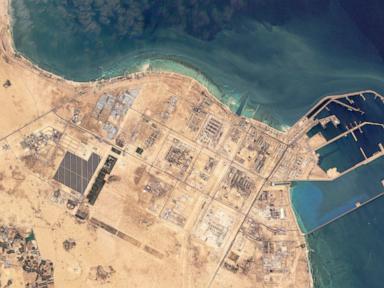
Restarting a heavily damaged industrial asset is never easy. It gets infinitely worse when that asset is the heart of global energy infrastructure, sitting right in the crosshairs of a major geopolitical conflict. Late Sunday night, a massive explosion ripped through Qatar's Barzan gas facility within the sprawling Ras Laffan Industrial City. The blast left 54 workers injured and 18 missing. It sent shockwaves far beyond the borders of the tiny, ultra-wealthy Gulf state.
Initially, Qatari officials tried to play down the incident. Early updates reported zero injuries and zero public safety risks. A few hours later, the Interior Ministry dropped the real numbers. They deployed the Qatari International Search and Rescue Group alongside civil defense teams to hunt for the missing under the desert night sky.
They are blaming a "technical malfunction" during the restart process. Don't let that sanitized phrase fool you. This was an industrial nightmare. It happened because Qatar tried to rush its energy infrastructure back online after weeks of forced shutdown.
The Cost of Rushing a War Damaged Network
You can't just flip a switch to turn a massive liquefied natural gas plant back on. It doesn't work that way. Back in March 2026, an Iranian missile slammed into Ras Laffan, causing extensive damage. That strike, paired with Iran's aggressive chokehold on the Strait of Hormuz, forced QatarEnergy to halt operations entirely.
When US-Iran peace talks in Switzerland started showing progress, Iran began loosening its grip on the shipping lanes. Qatar saw an opening. They moved fast to restart the Barzan facility to get the revenue flowing again.
That haste likely came at a massive cost. When a gas plant sits idle after sustaining missile damage, restarting it requires extreme caution. Thermal stress, compromised valves, or residual blockages can turn a standard start-up sequence into a bomb. The Barzan facility has a massive capacity of 1.4 billion standard cubic feet of sales gas per day. When that much pressurized volume experiences a mechanical failure, you get the fireball witnessed miles away in Doha.
Why Domestic Chaos Leads to Global Pain
A common misconception is that this blast only hurts Qatar's local power grid because the Barzan plant primarily serves domestic needs. That's a fundamental misunderstanding of how tightly wound the global energy sector is.
Barzan is the literal engine room for Qatar itself. It powers the local electrical grid. More importantly, it runs the massive desalination plants that provide drinking water to this desert peninsula. If Qatar has to divert gas from its massive export trains to keep its own citizens' lights on and taps running, global LNG supplies will tank.
- Market Volatility: The global energy market is already on edge due to the broader regional conflict. Any hint of extended downtime at Ras Laffan sends European and Asian gas futures spiking.
- Supply Chain Cracks: Ras Laffan handles roughly one-fifth of the entire world's LNG supply. Even if the export lines weren't directly blown up on Sunday, the entire complex is now under intense operational strain.
- Joint Venture Exposure: Western giants are deeply entangled here. QatarEnergy owns the lion's share of Barzan, but ExxonMobil holds a minority stake.
What Happens Next
The search and rescue operation remains the immediate priority. Crews are working through twisted steel to find the 18 missing workers. If you're watching this situation closely, forget the corporate press releases about "contained fires" and watch these three real-world indicators instead.
First, look at the timeline for the Swiss peace talks. If this explosion shakes Qatar's stability, it alters their leverage as a key mediator between Washington and Tehran.
Second, monitor desalination outputs in Doha. If water production drops, Qatar will have to make hard choices about diverting export-bound gas for domestic survival.
Finally, expect intense scrutiny on industrial safety standards across the Gulf. Rebuilding and restarting war-torn infrastructure cannot happen at the expense of human lives. The 54 injured workers are a grim reminder that in the energy business, political pressure often creates deadly engineering failures.