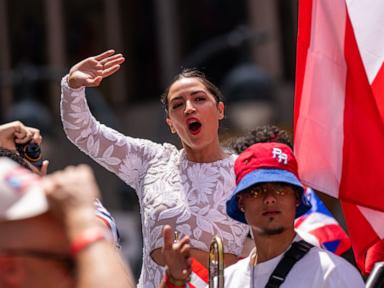
Political pundits love obsessing over how AOC and Ro Khanna’s midterm endorsements could influence the Democratic Party. Every time Alexandria Ocasio-Cortez or Ro Khanna backs a progressive challenger, national media outlets treat it like an existential earthquake for establishment Democrats. But let's look at the actual math. The narrative that a few high-profile progressive nods can effortlessly reshape the national party is mostly a myth. It ignores the grinding, local realities of American primary elections.
Endorsements don't vote. People do.
When you strip away the social media hype, the record of progressive kingmaking is incredibly mixed. Alexandria Ocasio-Cortez broke into Congress by toppling a powerful incumbent in 2018, which made her a political celebrity overnight. Ro Khanna built a distinct brand as a tech-savvy progressive voice from Silicon Valley. Yet, transferring their personal popularity to other candidates across the country has proven brutally difficult. The influence they wield isn't an automated machine. It's a fragile tool that often breaks when it hits suburban or moderate districts.
The Reality of How AOC and Ro Khanna's Midterm Endorsements Influence the Democratic Party
To understand the internal power struggle of the Democratic Party, you have to look at the divergence between these two lawmakers. They aren't running the same playbook.
AOC often operates through her political action committee, Courage to Change. Her endorsement package comes with national fundraising power and an army of online small-dollar donors. When she backs a candidate, that candidate gets an immediate cash infusion. That matters in crowded primaries where early name recognition is everything.
But it comes with a massive target.
An AOC endorsement gives moderate opponents an easy attack line. They paint the progressive candidate as an extremist who is out of touch with local needs. In swing districts, that brand can be radioactive. This is why her midterm strategy has grown more selective over time. She learned that throwing her weight behind every left-wing insurgent often resulted in high-profile losses that weakened her perceived leverage.
Ro Khanna plays a completely different game. He positions himself as an ideological bridge builder. He visits red states, talks to rural voters, and frequently appears on conservative media outlets. His midterm endorsements reflect this calculating approach. Khanna tends to back candidates who can frame progressive economic policies through a lens of local manufacturing and technological growth. He wants to prove that progressive ideas can win in places that don't look like deep-blue New York City.
This split approach means their collective influence is fragmented. Instead of a unified progressive front marching to reshape the establishment, we see two distinct factions testing two very different theories of political change.
The Money Problem That Endorsements Can't Fix
A major reason why progressive endorsements hit a wall is the sheer volume of counter-spending. A public nod from a famous politician cannot compete with tens of millions of dollars in targeted television ads.
Look at what happened in recent primary cycles. Outside groups, particularly the American Israel Public Affairs Committee and its super PAC, United Democracy Project, poured unprecedented amounts of cash into Democratic primaries. They systematically targeted progressive candidates who questioned traditional foreign policy positions.
When a super PAC drops $5 million into a local media market to run negative ads against a progressive challenger, a tweet of support from AOC doesn't even the playing field. The establishment and its wealthy allies have built a financial firewall. They don't need to win the ideological argument if they can simply outspend the challenger on local airwaves for two months straight.
Progressives also make a systemic error. They assume that primary voters are deeply ideological. They aren't. Most regular primary voters are older, highly reliable Democrats who value electability above all else. They want to know if a candidate can beat the Republican in November. When establishment leaders like Hakeem Jeffries or local party chairs sound the alarm about an insurgent candidate being "too risky," older voters listen. An endorsement from a national figure can actually trigger a defensive reaction among local party regulars who resent outside interference in their local elections.
The Limits of National Fame in Local Races
Politics remains stubbornly local. A message that resonates in the Bronx can fall completely flat in a suburban district in Ohio or a working-class neighborhood in Pennsylvania.
When AOC or Khanna endorses someone, they bring national media attention to the race. That can be a double-edged sword. It forces the local campaign into the national culture wars, which is exactly where progressive challengers usually lose. Instead of talking about local water infrastructure, soaring rent prices, or regional hospital closures, the candidate gets forced to answer questions about national controversies, activist slogans, and party unity.
Consider the structural disadvantages progressive challengers face:
- Incumbency Advantage: Party incumbents retain deep ties to local unions, churches, and civic organizations that have operated for decades.
- Donor Networks: Traditional Democratic donors line up behind the establishment choice to maintain their own access and influence.
- Media Skepticity: Local newspapers and news stations tend to cover insurgent campaigns as long shots or disruptive forces rather than serious policy alternatives.
These barriers don't vanish because a famous member of Congress signs their name to a press release. The hard work of retail politics—knocking on doors, attending church services, listening to local grievances—cannot be automated by national figures.
What Actually Changes the Democratic Balance of Power
If national endorsements aren't the magic wand that activists think they are, what actually shifts the party balance?
It's organizational infrastructure.
Progressives win when they build deep, multi-cycle organizing operations that exist independent of any specific election. Groups like the Working Families Party or local democratic socialist chapters do the unglamorous work of training campaign managers, registering voters, and running year-round issue campaigns. That groundwork creates a base of voters who don't need an AOC tweet to tell them how to vote. They already know the candidate because they worked with them on a local rent control fight or a union organizing drive.
The fixation on high-profile endorsements is a distraction from this deeper reality. It treats politics like a celebrity drama instead of an exercise in institutional power. The Democratic establishment keeps its grip on the party because it controls the actual machinery: the data systems, the consulting firms, the compliance lawyers, and the institutional relationships that keep campaigns running.
Where Progressives Go From Here
If you want to understand where the real fight for the future of the party is happening, look away from the endorsement announcements. Watch the fights over party rules, state committee seats, and local municipal races.
Stop treating endorsements as a shortcut to power. If a progressive movement wants to genuinely influence the direction of the party, it needs to stop relying on national saviors to validate local campaigns. The path forward requires a shift in focus.
First, local candidates must build independent financial bases. Relying solely on national small-dollar bursts during a crisis leaves campaigns vulnerable when the media spotlight moves on. They need local donors who are invested in the long-term project.
Second, the policy language needs a complete overhaul. Emulating the specific rhetoric of high-profile national figures is often a tactical error in moderate districts. Successful insurgents translate progressive economic goals into the specific, plainspoken needs of their communities without adopting national activist vocabulary that alienates casual voters.
The influence of progressive leaders inside Congress is real, but it operates through legislation and committee rooms, not through primary endorsements. Believing otherwise is a recipe for continued disappointment at the ballot box. Real political realignment is built from the bottom up, town by town, away from the glare of national television cameras.