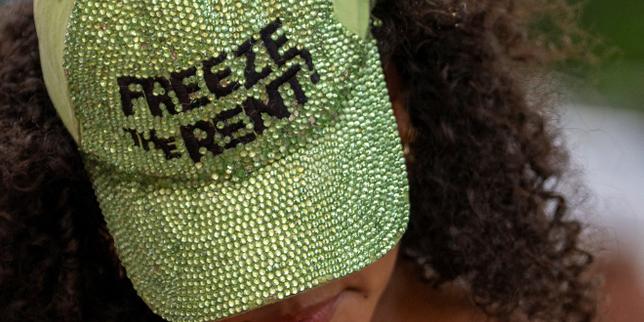
The headlines are screaming about a historic victory in New York City. On Thursday night, the Rent Guidelines Board voted 7 to 1 to freeze rents on nearly one million rent-stabilized apartments. It is a massive political win for the city's newly elected democratic socialist mayor, Zohran Mamdani. He promised this exact move on the campaign trail, and his hand-picked board delivered it right on schedule.
But behind the celebratory chanting of tenant advocacy groups, a much uglier reality is brewing. This New York rent freeze is a short-term band-aid that masks a deep, systemic failure in urban housing policy. While two million renters are celebrating a temporary reprieve from rising costs, the decision is already fracturing the city's real estate ecosystem. Read more on a related issue: this related article.
The Reality Behind the New York Rent Freeze
Let's look at the actual numbers. The board's decision pauses rent increases on both one-year and two-year leases starting October 1, 2026. This marks the first time in New York history that the board has frozen a two-year lease. For a tenant struggling to choose between buying groceries and paying landlords, this feels like an absolute lifesaver.
Sumathy Kumar, director of the New York State Tenant Bloc, called the decision life-changing. She points out that these tenants have faced steady 3% annual hikes since 2022. For working-class families, freezing that line item means survival. Additional reporting by NBC News delves into similar views on the subject.
But housing is an interconnected web. You can't artificially cap the revenue side of a building while its expenses run wild. Property taxes are up. Building insurance premiums are skyrocketing. Utility bills keep climbing. When you squeeze landlords between rising operational costs and frozen revenues, something has to break.
The Fallout for Mom and Pop Owners
Corporate mega-landlords can absorb a bad year or two. They have the capital reserves to wait out political shifts. Small property owners don't.
Take the case of an East New York woman highlighted by the New York Apartment Association before the vote. She inherited a modest seven-unit building from her parents, charging rents between $1,191 and $1,412. She openly wept at the prospect of the freeze, fearing her family's legacy would slip into foreclosure. This isn't an isolated sob story. It's the standard math for thousands of small-scale housing providers across the five boroughs.
When these buildings go under, tenants don't win. They end up dealing with bank foreclosures, neglected maintenance, and buildings that slowly fall apart.
Why the Board's Independence is Dead
The Rent Guidelines Board is supposed to be an independent, data-driven panel. It consists of nine members: two representing tenants, two representing landlords, and five representing the general public. While the mayor appoints them, they are historically meant to weigh economic data neutrally.
That illusion completely shattered this week.
Mamdani appointed six of the nine board members within his first months in office. The voting pattern was essentially baked in from day one. Landlord representative Christina Smyth resigned in protest hours before the final vote, explicitly writing in her resignation letter that the board had stopped being a fact-finding body.
The sole dissenting vote came from Arpit Gupta, a public representative held over from former Mayor Eric Adams' administration. The rest of the board marched in lockstep with City Hall's political agenda. This wasn't an objective economic decision based on the cost of building operations. It was pure politics.
The Rise of the Progressive Machine
This vote didn't happen in a vacuum. It capped off an incredibly successful week for Mamdani and the city's democratic socialist movement. Just two days prior, a trio of progressive congressional candidates endorsed by the mayor swept their primary races, unseating two established Democratic incumbents.
Mamdani is capitalising on a wave of populist anger over the cost of living. His platform includes city-owned grocery stores and a $30 minimum wage. The rent freeze is the first major test of this economic philosophy in practice. It's wildly popular with the base, but it treats housing as a political football rather than an infrastructure challenge.
The Dangerous Secondary Effects of Price Controls
Economists have warned about the long-term impacts of aggressive rent controls for decades. When you suppress rents across 40% of a city's housing stock, you create massive distortion in the market.
- The Ghost Apartment Phenomenon: Landlords are already choosing to leave units vacant rather than rent them out at a loss. The New York Apartment Association estimates the city already has roughly 50,000 of these "ghost apartments." This freeze will likely push that number higher.
- The Maintenance Deficit: If a landlord can't recoup the cost of a new boiler or a roof repair through rent adjustments, they simply won't do the repair. Columbia Business School research into previous freezes showed a dramatic increase in deferred maintenance. Tenants end up trapped in deteriorating buildings with unsafe conditions.
- Subsidizing the Wealthy: Rent stabilization in New York has no income limits. It's a poorly targeted system. Wealthier individuals occupying stabilized apartments get the exact same freeze as working-class families, while lower-income residents trapped in unregulated market-rate units get absolutely nothing.
Market-rate renters are going to bear the brunt of this decision. Landlords who own mixed portfolios will inevitably jack up prices on their unregulated units to cover the losses sustained on their stabilized stock. The rest of the city will find themselves fighting over a shrinking pool of available housing, driving market rents to even stupider heights.
Your Next Steps to Navigate the Freeze
Whether you're a renter trying to protect your housing or an owner trying to protect your property, you need to react to this shift immediately.
If you are a tenant in a rent-stabilized unit, check your lease expiration date. The freeze applies to new leases beginning between October 1, 2026, and September 30, 2027. Ensure your landlord doesn't attempt to sneak in an illegal increase. Demand a history of your apartment's rent records from New York State Homes and Community Renewal if anything looks suspicious.
If you're an independent landlord, look into city and state relief programs immediately. Groups like the New York State Tenant Bloc point out that programs exist to help struggling owners recover upkeep costs. Audit your building's operational efficiency. Look for ways to appeal property tax assessments or shop around for alternative building insurance before your cash flow turns completely negative. Real estate lobbying groups are already planning legal challenges to the board's vote, so stay close to local housing associations to track incoming lawsuits that could halt the freeze.


