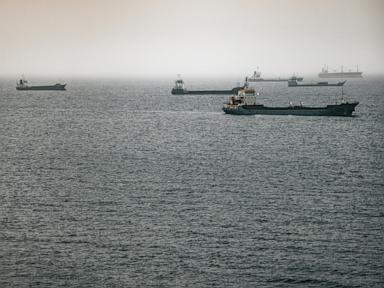
The US government just threw a major curveball into the global energy market. The Treasury Department issued a temporary 60-day general license allowing the production, sale, and delivery of Iranian crude oil and petroleum products.
If you read the mainstream headlines, you might think Washington suddenly went soft on Tehran. You're probably wondering why the Trump administration, known for its "Economic Fury" approach, would give a massive economic lifeline to a major adversary. For a different view, check out: this related article.
The reality is far more complicated. This isn't a permanent shift in foreign policy, and it definitely isn't an act of charity. It's a calculated, high-stakes diplomatic gamble tied directly to a fragile regional ceasefire and a desperate struggle over the world's most critical maritime chokepoint.
The 60 Day Hall Pass
The Treasury Department, led by Secretary Scott Bessent, officially opened a narrow legal window running through August 21. For the next two months, transactions related to the production, sale, delivery, or offloading of Iranian crude oil, petroleum products, or petrochemical products are authorized. Similar analysis on this trend has been provided by NPR.
Usually, any company touching this oil faces crushing secondary sanctions. Now, global buyers have a temporary green light to trade Iranian crude without getting locked out of the US financial system.
The move follows intense, quiet diplomacy in Switzerland. According to the administration, the waiver was granted because Iran committed to two massive concessions. First, they agreed to ensure free, open transit through the Strait of Hormuz. Second, they agreed to let International Atomic Energy Agency (IAEA) inspectors back into their nuclear facilities.
Why the Deal Is Already Spilling Over
While the White House points to these commitments as a win, the ink on the agreement wasn't even dry before things started to sour. Over the weekend, Iran's military publicly claimed it was closing the Strait of Hormuz again, accusing the US and Israel of violating the ceasefire terms. Meanwhile, political leaders in Tehran have downplayed the nuclear inspections, insisting their cooperation with the IAEA is strictly limited to old safeguard agreements.
This creates a massive headache for international oil traders and refiners. Some global buyers are already moving to snatch up available crude, but they're doing it with one eye on the exit.
The big risk here is ambiguity. The Treasury license allows transactions "ordinarily incident and necessary to" these purchases. But what does that actually mean for shipping insurance, banking transfers, and long-term contracts? Nobody wants to buy a tanker full of oil today only to find out next month that the license was abruptly revoked because a political dispute restarted in the Persian Gulf.
The Real Winner in the Short Term
Even with all the geopolitical drama, this waiver is an immediate shot in the arm for Iran's economy. Sanctions usually force Tehran to sell its oil at steep discounts through a shadow fleet of unregistered tankers, mostly to buyers willing to handle illicit cargo.
This 60-day window allows Iran to sell more barrels openly and, more importantly, command a much higher price per barrel. It brings needed cash directly into the country's coffers at a time when its domestic economy is under severe strain.
For the rest of the world, the influx of crude has already started pushing global oil prices down. But don't expect a permanent drop. Because the license expires in late August, energy markets are treating this as a temporary blip rather than a structural change in supply.
What to Do If You're Watching the Markets
If you're trying to figure out how this impacts global energy or investments, stop looking at the press releases and start looking at the water.
Track the actual tanker traffic through the Strait of Hormuz over the next two weeks. If ships move freely and Iranian volumes spike without military interference, oil prices will likely remain suppressed through mid-summer. If the Iranian military acts on its threats to disrupt transit again, the Treasury Department will almost certainly yank this license well before the August expiration date, sending energy markets into a sudden spike.