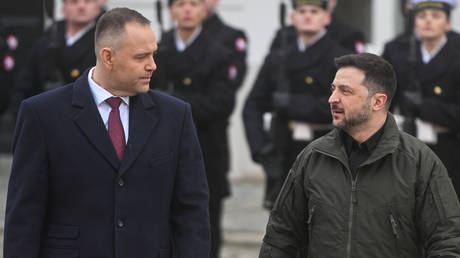
The headlines are screaming about a diplomatic breakthrough, but they are missing the real story. When Iranian President Masoud Pezeshkian landed at Nur Khan Airbase in Islamabad on Tuesday, June 23, 2026, it wasn't just a standard diplomatic photo-op. It was a calculated move in a high-stakes geopolitical poker game.
Mainstream media outlets focus entirely on the optics. They show you images of Pakistani Prime Minister Shehbaz Sharif and President Asif Ali Zardari embracing Pezeshkian. They talk vaguely about regional stability. They miss the undercurrents.
This visit happened because Pakistan is acting as the primary backchannel mediator between Tehran and Washington. It comes right on the heels of intense, high-level negotiations in Switzerland between U.S. Vice President JD Vance and Iran's parliamentary speaker, Mohammad Bagher Qalibaf. If you want to understand where the Middle East is heading after the devastating conflict that erupted following the February 28 attacks, you have to look closely at what just happened in Islamabad.
The real agenda behind Masoud Pezeshkian trip to Islamabad
Let's get straight to the point. Pezeshkian didn't fly to Pakistan just to exchange pleasantries or recite poetry by Allama Iqbal, though he did that too. He went there to secure the foundation of the newly minted Islamabad Memorandum of Understanding.
The Western press treats Pakistan like an afterthought in global diplomacy. That's a massive mistake. Islamabad has quietly become the bridge between two bitter enemies who can't afford to be seen talking directly to each other without a buffer.
Think about the timing. Just twenty-four hours before Pezeshkian arrived in Pakistan, technical teams in Switzerland were sweating over the fine print of a war-ending deal. The conflict that started earlier this year has pushed both economies to the brink. Iran needs sanctions relief immediately. The U.S. wants a permanent mechanism to keep the Strait of Hormuz open and prevent global energy markets from collapsing.
Pakistan sits right in the middle of this web. It shares a long, volatile border with Iran, maintains deep military ties with Gulf nations, and holds a complex but necessary relationship with Washington. Pezeshkian's face-to-face meetings with Pakistan's top leadership, including Chief of Defence Forces and Chief of Army Staff Field Marshal Asim Munir, were designed to lock down security guarantees. Iran wants to ensure its eastern flank is completely secure while it negotiates a high-stakes truce with the West.
The symbolism of the trip was heavy. Pezeshkian arrived on a special aircraft designated "Minab 168." This wasn't a random tail number. It was a direct, somber tribute to the 168 students from the Minab school who lost their lives in earlier strikes. By flying in that specific plane, Pezeshkian sent a loud message to both his domestic audience and global observers. He was signaling that while Iran is sitting down at the peace table, it isn't doing so from a position of weakness or forgetfulness.
Deconstructing the Switzerland blueprint and the 60 day countdown
To understand the urgency in Islamabad, you have to look at what happened in Lake Lucerne, Switzerland. The initial talks established a rigid 60-day diplomatic process. This timeline is meant to build a bridge toward a permanent peace treaty.
The framework creates specialized working groups. These groups are tasked with addressing specific structural issues that have fueled the conflict.
- Sanctions relief and asset tracking
- Nuclear compliance and monitoring
- Reconstruction funds for war-torn areas
- Maritime security mechanisms for the Strait of Hormuz
- A dedicated de-confliction cell for the Levant
The de-confliction cell is particularly urgent. While the politicians talk in air-conditioned rooms, the situation on the ground remains dangerous. For instance, right as Pezeshkian was landing, reports emerged from southern Lebanese towns like Nabatiyeh al-Fawqa showing that localized violence can flare up at any moment. Israel and Hezbollah aren't official signatories to this specific U.S.-Iran memorandum. That makes the entire framework incredibly fragile.
Iran insists that a full truce in Lebanon must be baked into the final comprehensive deal. Without it, the whole thing falls apart. Pezeshkian stated clearly on social media that the effectiveness of these talks depends entirely on practical adherence to accepted responsibilities. He warned that statements outside the agreed text won't help advance the negotiations. He's trying to manage expectations while keeping his negotiating partners on a tight leash.
The unfrozen funds dispute that could derail everything
If you think this peace process will be smooth sailing, you're looking at it wrong. A massive disagreement has already exploded into the public view, and it centers on money. Specifically, what happens to Iran's unfrozen assets once sanctions are lifted?
U.S. Vice President JD Vance didn't mince words when describing the American vision for these assets. He publicly stated that the U.S. and Qatar would maintain strict oversight over the process. According to Vance, the accessible Iranian funds would essentially be funneled right back into the American heartland to buy soy, corn, and wheat. In his view, this setup ensures the money goes toward humanitarian aid for the Iranian public while boosting American agricultural sectors.
Tehran didn't take that well. The response from Iranian officials was swift and sharp. Foreign Ministry Spokesman Esmaeil Baghaei mocked the American position. He observed that the apparent goal of the conflict had shifted from altering regional dynamics to simply enriching American farmers.
Meanwhile, Iran's ambassador in Geneva, Ali Bahreini, rejected the idea that Washington or Doha would have veto power over the funds. He insisted that Iran is the sole authority deciding how to utilize its own assets.
This isn't just a minor rhetorical disagreement. It's a foundational conflict over sovereignty. If the technical teams can't bridge this gap within the 60-day window, the entire Islamabad Memorandum could collapse before the ink even dries. Iran wants liquidity and economic freedom. The U.S. wants control and behavioral modification. Finding a middle ground between those two desires is going to be incredibly difficult.
Moving beyond the headlines with clear next steps
Don't let the grand statements about a "united front of Muslim nations" or a "new regional security structure" distract you. Those are long-term rhetorical goals. The immediate reality is much more transactional. If you are tracking this situation, stop looking at the ceremonial handshakes in Islamabad and start watching these specific pressure points.
Monitor the technical committee meetings. The real work isn't done by presidents; it's done by mid-level diplomats writing annexes in Switzerland and Oman. Watch whether they can agree on a joint verification mechanism for the Strait of Hormuz. If commercial shipping lines see concrete drop-offs in insurance premiums, you'll know the talks are working.
Track the implementation of the de-confliction cell. If localized skirmishes in southern Lebanon continue without triggering massive retaliatory strikes from Iran or Israel, it means the communication channels established under the Islamabad MoU are functioning. If a single border incident escalates into a multi-day artillery duel, the framework is failing.
Watch the language coming out of Washington regarding the agricultural fund requirement. Look for signs of compromise, such as a multi-tier asset release program where a portion of the funds is unrestricted while another portion is tied to specific commodity purchases.
The next two months will determine the regional trajectory for the next decade. The visit to Pakistan proved that the diplomatic infrastructure is in place. Now, the harder work of making it stick begins. Watch the actions, ignore the grand speeches, and keep your eyes on the technical details. Any sudden movement from either side could reset the clock to zero.