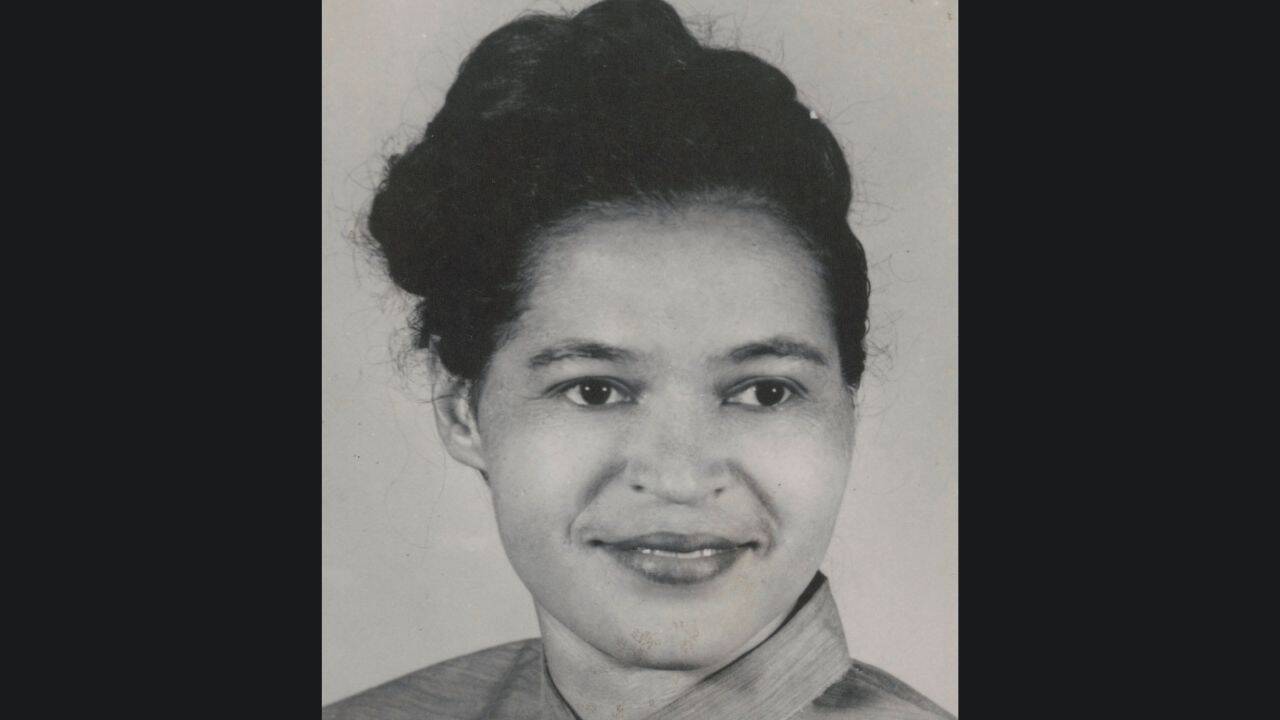
We love to treat courage like a sudden, magical lightning bolt. We tell ourselves that heroes feel entirely different from the rest of us, that they possess some secret reserve of fearlessness. When you look at the iconic quote by American civil rights activist Rosa Parks—"I have learned over the years that when one's mind is made up, this diminishes fear"—it is easy to treat it as a beautiful, passive thought for a motivational poster.
That misses the entire point. In related updates, read about: Why You Can't Actually Hear Music Anymore.
People look up this quote because they are stuck. They are hesitating before a hard conversation, a career change, or a stand against something unfair. They want to know how to stop feeling terrified. The answer isn't to wait until the fear magically disappears. Parks didn't wait. Her words reveal a practical, psychological tool that anyone can use right now. Fear lives in the agonizing space of indecision. The moment you actually decide what you are going to do, the noise in your head goes quiet.
The Tired Seamstress Myth and What Really Happened
History textbooks love a simple narrative. They often paint Parks as a quiet, elderly seamstress who refused to give up her seat on a Montgomery bus simply because her feet were tired. This version of events makes her action look like an impulse born of physical exhaustion. Vogue has analyzed this important issue in great detail.
It is completely wrong.
Parks herself set the record straight in her autobiography. She wrote that the only tired she was, was tired of giving in. She was 42 years old in December 1955, not an elderly woman. More importantly, she was a seasoned activist. She served as the secretary of the Montgomery chapter of the NAACP. She had attended the Highlander Folk School, an organization that trained activists in civil rights tactics and worker rights.
Her mind was made up long before that bus driver told her to stand.
When you understand the depth of her commitment, the quote takes on an entirely new meaning. She did not stumble into courage. She built a conviction over decades of organizing, witnessing injustice, and deciding where her line in the sand was. When the moment came, she didn't have to debate herself. The decision was already made. Because the question was settled, the paralyzing terror of what might happen next lost its power.
The Science of Why Deciding Slashes Anxiety
We spend immense amounts of energy trying to avoid feeling afraid. We wait for perfect conditions. We seek endless advice. We play out worst-case scenarios on a loop in our brains.
This hesitation is exactly what feeds the dread.
Psychological research shows that uncertainty is often more stressful to the human brain than a known negative outcome. When you are sitting on the fence, your brain treats every single option as a potential life-or-death crisis. You weigh the consequences of speaking up against the consequences of staying quiet. Your mind spins.
When you make a firm decision, that mental loop breaks.
The full version of Parks's statement adds another layer to this. She noted that knowing what must be done does away with fear. Notice she didn't say that the danger goes away. The bus driver could still have had her arrested, which he did. She could have faced violence, which was a constant threat for Black Americans in the Jim Crow South. The external reality remained incredibly dangerous.
What changed was her internal state.
By deciding that she would no longer participate in her own degradation, she removed the internal conflict. There was no more "Should I or shouldn't I?" There was only the reality of the choice she had made. True bravery is not the absence of fear, but the realization that something else is more important.
Moving Past the Rehearsal of Disaster
Most of us will never face the kind of systemic, dangerous oppression that Parks fought against. Our battlegrounds are smaller, but the emotional machinery is identical. We freeze before launching a business, ending a bad relationship, or demanding fair pay.
We make the mistake of waiting for the fear to leave before we take the step.
Think back to the last major, difficult action you took. Maybe you had to fire someone, apologize for a massive mistake, or make a terrifying financial leap. The worst part was almost certainly the hours, days, or weeks leading up to it. You rehearsed the disaster over and over. But what happened the second you walked into the room to do it? A strange, clear calm usually takes over.
You stop worrying about whether you will do it, and you focus entirely on how you are doing it.
Parks's life shows us that we can trigger that calm intentionally. You don't have to wait for the event to force your hand. You can choose to settle the matter internally right now.
How to Settle Your Mind and Diminish Fear Today
If you are currently paralyzed by an upcoming choice or a difficult situation, stop looking for ways to feel brave. Focus instead on making up your mind. Use these practical steps to shift from hesitation to resolve.
Define Your Non-Negotiables
Parks knew her boundary because she spent years studying the civil rights struggle and working for change. You need to know what you stand for before the crisis hits. Write down your absolute limits. What are you no longer willing to tolerate in your job, your relationships, or your daily life? When you know your rules, decisions make themselves.
Pick a Side and Commit Fully
The agony is in the middle. If you are torn between two paths, choose one. Commit to it for a set period without allowing yourself to look back or re-evaluate. Once the choice is made, stop looking at the alternative. Treat the alternative as if it no longer exists.
Focus Entirely on the Immediate Action
When Parks stayed in her seat, she wasn't trying to manage the entire Montgomery Bus Boycott in her head. She was just holding her ground in that specific moment. Stop trying to figure out how you will handle the next ten steps. Decide to take the very first step, and resolve to face the consequences of that step as they arrive.
Accept the Cost of Admission
Fear often stems from the delusion that we can find a path with zero negative consequences. There is always a cost. Parks knew she might go to jail. She accepted that cost because the price of compliance was higher. Identify the worst-case scenario of your choice. Accept that it might happen, decide that you can handle it, and move forward anyway.
The wavering is what breaks you. Settle the debate inside your own head, choose your path, and let the courage catch up to you.