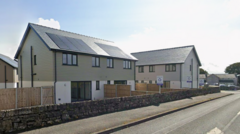
Imagine moving into a brand-new, half-million-pound housing development, expecting a bustling neighborhood of young families and backyard barbecues, only to realize years later that your only neighbors are echoing silence and empty driveways. This isn't a post-apocalyptic thriller. It's the stark reality facing a ghost estate in Wales, where a combination of staggering price tags, economic stagnation, and planning mismatches has left an entire newly constructed community completely stranded.
When a developer finishes a multi-million-pound project, the goal is a rapid sell-out. But on this specific development, only two homes have found buyers years after completion. The rest sit empty, a quiet monument to what happens when building strategies lose touch with local economic realities.
Understanding why these estates fail matters immensely if you're looking to buy a house, invest in property, or simply figure out why the UK housing market feels so broken in 2026.
The Disconnect Between Luxury Pricing and Local Wages
The biggest mistake developers make is building for an imaginary buyer. When you look at the numbers, the math simply doesn't add up for local residents.
The average household income in these regional Welsh areas cannot support mortgages on premium, executive-style homes. If a developer builds a street filled entirely with four- and five-bedroom detached houses priced well north of £400,000, they aren't targeting the local workforce. They're gambling on affluent commuters or buyers relocating from major hubs like Cardiff, Bristol, or London.
When interest rates spiked and the broader economic slowdown hit, that pool of wealthy external buyers evaporated. Local buyers, meanwhile, are priced out entirely. You can't sell a half-million-pound dream to a community where the average salary struggles to clear £30,000.
The Ghost Estate Trap
Living in a nearly empty development comes with a unique set of headaches that standard property listings never mention. If you're one of the unfortunate two families who actually bought a home here, you're dealing with issues that actively destroy property value.
- Unfinished Infrastructure: Developers rarely complete final road surfacing, street lighting, or landscaping until the final phases of an estate are sold. When sales freeze, the infrastructure stays broken.
- Stagnant Resale Value: Good luck trying to sell your house when the developer next door is desperately discounting identical, brand-new versions of your property just to clear their books.
- Maintenance Meltdown: Unoccupied houses still require upkeep. Left alone, unheated structures can develop dampness, gardens overgrow, and the overall appeal of the street plummets.
Why High Council Taxes On Second Homes Changed The Game
For years, developers assumed wealthy buyers would snap up regional properties as holiday homes or secondary residences. That safety net has completely ripped apart.
The Welsh Government's aggressive stance on housing supply has allowed local councils to hike council tax premiums on second homes and long-term empty properties by up to 200% or 300% in certain areas like Pembrokeshire and Gwynedd. This policy twist completely flipped the script. Instead of viewing a vacant or secondary property as a safe asset, wealthy buyers now see it as a massive tax liability.
Investors aren't swooping in to save these lagging developments because the math makes no sense anymore. They'd rather take their capital across the border to England, where these harsh tax premiums don't apply.
How To Spot A Failing Development Before You Buy
If you're shopping for a new-build, you need to protect yourself from getting stuck in an abandoned project. Vague promises from a sales agent aren't enough. Look at the hard data.
First, check the planning portal. See how long ago the initial permissions were granted and when construction actually finished. If the site has been sitting fully built for more than eighteen months with little to no sales activity, that's a massive red flag.
Second, look at the mix of housing. A healthy estate needs a balance. If a site contains nothing but massive, top-tier executive homes with zero affordable housing or smaller starter units, the developer has put all their eggs in one very fragile basket.
Next Steps For Smarter Property Decisions
Don't let shiny show homes blind you to market realities. If you're currently navigating the property market, take these concrete steps immediately.
Demand a clear, written update on the development's completion timeline and the status of the road adoption by the local council before signing any contracts. Speak directly to the few residents already living on-site to get an honest assessment of the estate's management. Finally, run a comparative market analysis on older, established properties in the immediate area to verify if the developer's asking price is genuinely supported by local demand, or if it's a financial gamble you'll end up paying for.