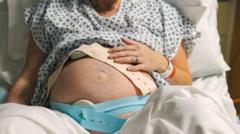
You are pregnant, vulnerable, and sitting in a hospital bed telling a clinician that something feels terribly wrong. Instead of immediate action, you get a roll of the eyes, a dismissive sigh, or a lecture about overreacting.
This isn't a rare nightmare. It's the standard reality for thousands of women going through the UK maternity system. Despite a continuous drumbeat of independent inquiries, multi-million-pound investigative reports, and promises from successive governments, the structural decay within NHS maternity units is getting worse.
The fundamental problem isn't just a lack of funding or empty staff rotas. It is a deep, toxic institutional environment that silences pregnant women, punishes whistleblowers, and sweeps fatal errors under the carpet to protect corporate reputations.
Until the health service confronts the defensive culture embedded in its leadership, mothers and babies will continue to suffer preventable injuries and deaths.
The Brutal Reality of the Maternity Crisis
We have been flooded with data that should make any health official shudder. The health service has faced an estimated £27.4 billion bill for maternity clinical negligence claims since 2019. Think about that number. It actually exceeds the total operational budget allocated to maternity services over that exact same timeframe. We are spending more money paying for catastrophic failures than we are on running the actual clinics.
The human cost behind that financial black hole is devastating. Major inquiries, like Donna Ockenden's massive review into Nottingham University Hospitals NHS Trust involving over 2,500 families, show a recurring theme. Women are consistently belittled, ignored, or blamed for their own complications. The Ockenden review highlighted instances where clinicians actively downgraded the severity of patient harms and even prematurely destroyed medical records to escape public scrutiny.
This isn't an isolated issue in one corner of the country. Baroness Valerie Amos led an independent investigation into England's maternity and neonatal services, and her findings revealed that systemic issues are significantly worse than expected. Maternal mortality rates in the UK have spiked since the pandemic, hitting their highest point in more than ten years.
The Subconscious Bias That Kills
If you are a minority or live in a struggling neighborhood, the odds are stacked against you from day one. National data from MBRRACE-UK reveals a stark, unforgiving disparity. Black women are almost three times more likely to die during pregnancy or shortly after birth compared to white women. Asian women face a 1.3 times higher risk.
This isn't down to genetics. A parliamentary inquiry into Black maternal health exposed rampant discriminatory behavior on hospital wards. Black mothers reported waiting over an hour just to be assisted to the bathroom, having their pain management requests ignored, and being treated with cold indifference while their white counterparts received prompt, compassionate care.
When language barriers enter the mix, the system completely falls apart. Hospitals frequently fail to provide proper translation services, forcing women to navigate highly technical medical choices based on half-understood information. When a clinician cannot understand a patient, or simply chooses not to believe her pain, the results are frequently fatal.
The Death of Natural Birth Ideology
For decades, a rigid, almost religious obsession with "natural birth" targets poisoned NHS maternity care. Midwives were culturally incentivized to keep intervention rates low, pushing natural deliveries at all costs.
That specific dogma cost lives. It led to delayed caesareans, refused pain relief, and catastrophic brain injuries in newborns who were left in distress for too long.
The legal landscape shifted with the historic Montgomery case, which legally established that patients have the right to make informed choices about their own medical treatment. Today, the data shows a massive shift in how births actually happen. In the 2024 to 2025 period, spontaneous labor occurred in just 42% of births, down from 59% a decade earlier. Caesarean rates have skyrocketed to 45%.
The problem is that while the public and the law have evolved, the internal hospital structures haven't caught up. Consultants and senior midwives often display a paternalistic attitude, treating maternal choice as an inconvenience rather than a fundamental right.
Moving Past the Toxic Cover Up Culture
So, how do we actually stop this? It starts by breaking the institutional Omertà—the code of silence that dominates NHS trust boards.
Right now, frontline staff are trapped in a state of moral injury. Dedicated midwives and nurses want to provide excellent care, but they are working in permanent crisis mode due to severe workforce shortages. When they do try to raise alarms about unsafe conditions or incompetent colleagues, they face a wall of administrative bullying and professional retaliation.
True reform requires three urgent, uncompromised actions:
- Enforce Criminal Accountability for Cover-Ups: When trust leadership intentionally hides medical errors, alters reports, or targets whistleblowers, it should be treated as a criminal offense, not an administrative mistake.
- Establish an Independent Maternity Commissioner: Parliament must create an independent oversight role reporting directly to the Prime Minister, stripping individual NHS trusts of their ability to grade their own homework.
- Mandatory Anti-Bias Systems: Cultural competency training cannot be a checkbox exercise. Hospital funding must be tied directly to narrowing the mortality gap for minority and lower-income mothers.
We don't need another shelf-warming report filled with empty platitudes. We need a complete dismantling of the defensive medical hierarchy. If the NHS cannot learn to listen to women, it has no business delivering their babies.