Don't buy into the political noise coming out of Washington or Tehran right now. The true fate of the fragile ceasefire between the US and Iran rests in the hands of a few technical experts wearing radiation badges.
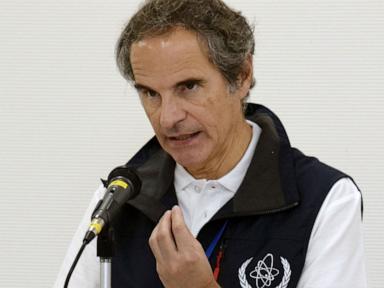
On Wednesday, International Atomic Energy Agency (IAEA) chief Rafael Mariano Grossi made it clear that his team is going into Iran's nuclear enrichment sites. Speaking from the Fukushima Daiichi nuclear plant in Japan, Grossi brushed off the conflicting public statements from both governments, calling it a predictable "war of words."
The stakes couldn't be higher. Following the devastating 12-day war in 2025, Iran blocked the IAEA from its primary enrichment facilities. Western intelligence estimates suggest Tehran holds enough uranium enriched to 60% purity to build up to 10 nuclear weapons quickly if it chooses. While Iran claims its program is entirely peaceful, no other country enriches to that level without a military objective.
The Clash Over the Fine Print
Just days ago, US President Donald Trump posted on Truth Social that Iran agreed to high-level inspections into infinity. Vice President JD Vance echoed this, saying inspectors would soon verify sites damaged by US airstrikes last year.
Tehran shot back almost instantly. Iranian Foreign Ministry spokesperson Esmaeil Baghaei told reporters that no such visits are planned for the bombed facilities.
Grossi isn't sweating the political theater. He pointed directly to a signed Memorandum of Understanding between both presidents. According to him, the text explicitly states that the IAEA will supervise these material facilities "in all letters."
To supervise, you have to inspect. It is that simple. Grossi noted that whether it happens in two days or ten days matters less than the fact that it is legally bound to happen.
What Inspectors Actually Need to Find
The interim deal gives both sides 60 days to negotiate a broader treaty. In exchange for Washington waiving sanctions on Iranian oil, Tehran must downblend its highly enriched uranium stockpile.
But the IAEA can't verify anything right now.
While inspectors can visit the Bushehr nuclear power plant, they are locked out of critical enrichment cascades at Natanz and Fordow. Nonproliferation experts worry that Iran might be moving its enriched materials to secret, undeclared locations while the doors remain shut.
Without physical access to the centrifuge halls, the interim agreement is just a useless piece of paper.
The Friction on the Ground
The ceasefire is already hitting major bumps. Iran briefly closed the Strait of Hormuz again, citing clashes between Israel and Hezbollah in Lebanon. Though that specific flare-up quieted down, it shows how easily regional violence can wreck diplomatic progress.
Meanwhile, US Secretary of State Marco Rubio just landed in the Persian Gulf for emergency talks with UAE President Mohamed bin Zayed Al Nahyan, before heading to Kuwait and Bahrain. Washington is trying to hold its regional alliance together while giving diplomacy a shot.
What Happens Next
Technical talks between US and Iranian officials are set to restart early next week at the Bürgenstock resort in Switzerland, with Pakistan acting as the primary mediator.
If you want to know if this deal will last, ignore the speeches from politicians. Watch the inspectors. If Iran blocks the IAEA at the border next week, the deal is dead, oil sanctions return, and the region edges right back toward open warfare. Watch the entry dates at Natanz closely over the next ten days.