You pay twenty or thirty bucks at a national park gate thinking that cash keeps hiking trails clear or fixes broken campground bathrooms. It turns out some of that money paid for a customized, high-end stone pathway right outside the Oval Office instead.
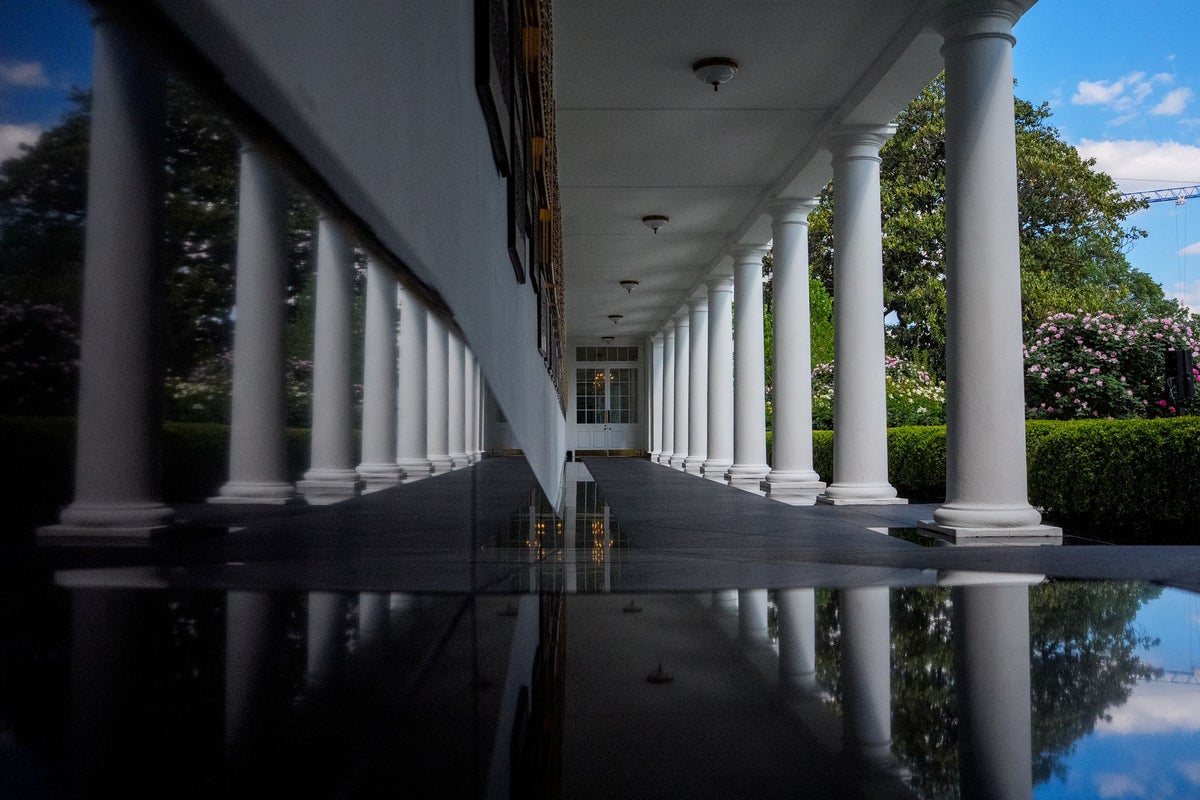
Internal budget records from the National Park Service reveal that the federal government used $689,232 in taxpayer funds to replace a single White House walkway. The upgrade wasn't born out of structural necessity. Every president since Harry Truman walked the same 45-second outdoor commute on traditional Tennessee flagstone without issue. The change happened because the previous look didn't fit a specific aesthetic requirement. For another perspective, see: this related article.
When questioned by reporters during the initial construction phase, the public narrative was clear. The president claimed he was footing the bill personally. The internal documents paint a completely different picture. Taxpayers picked up the entire tab, and the money came from a federal agency currently drowning in billions of dollars of deferred maintenance.
The True Cost of Premium African Granite
The original Tennessee flagstone wasn't broken. It was simply deemed too ordinary. The replacement project swapped the regional stone for premium, polished African granite, which was shipped to Italy to be custom-carved. The design features a flamed-finish stripe running down the middle, engineered to add texture and prevent slipping during wet weather. Similar analysis regarding this has been published by Reuters.
The $689,232 walkway replacement is just one piece of a broader $1.3 million masonry contract. That larger project included:
- Repairing and matching adjacent stone structures
- Upgrading foundational masonry around the Rose Garden perimeter
- Installing new heavy-duty hardware on nearby exterior doors
This wasn't an isolated cosmetic fix either. A year prior to the granite installation, the Park Service executed another expedited request listed in internal files as a rush project. That operation cost $347,503 just to strip and replace the stucco on the adjacent colonnade wall. The logistical rush allowed for the mounting of custom gold frames and plaques highlighting specific administration milestones.
Siphoning Resources From Parks to D.C.
The financial gymnastics behind these projects rely on a specific legal loophole. Under the Federal Lands Recreation Enhancement Act, national parks must keep at least 80% of their gate and digital pass revenues on-site to fund local operations. The remaining 20% goes into a central agency-wide pot. By law, that central fund can be redistributed to maintain federal sites that don't collect admission fees.
Because the National Park Service technically oversees the National Mall, the White House grounds, and various historic monuments in Washington, D.C., the administration used this 20% pool to fund urban beautification.
While using the agency-wide fund for capital maintenance is technically legal, the choice of priorities has drawn intense scrutiny. The Park Service is currently managing an $11.6 billion maintenance backlog nationwide. National treasures like Yellowstone, Yosemite, and Glacier National Park are actively struggling with failing water systems, deteriorating access roads, and understaffed visitor centers.
Internal agency tracking shows that more than 900 local park projects across the country saw their anticipated funding delayed or canceled entirely while these D.C. projects moved to the front of the line. Critical safety upgrades at Acadia and routine infrastructure repairs in the Pacific Northwest were put on hold so the White House grounds could receive a luxury material upgrade.
The Broader Plan for the Capital
The granite walkway isn't a standalone project. It fits into a much larger, multi-million-dollar push to reshape the look of the nation's capital using alternative funding mechanisms. Congressional investigators and non-partisan advocacy groups like Public Employees for Environmental Responsibility have tracked tens of millions of dollars flowing out of park fee accounts into localized D.C. developments.
The current list of active and completed D.C. projects drawing from these funds includes:
- National Mall and White House Fountains: $76 million directed toward restoring nine ornamental water features.
- Lincoln Memorial Reflecting Pool: $9.2 million for structural sealant work and aesthetic lighting upgrades.
- South Lawn Helicopter Pad: $5 million to reinforce and modernize the presidential landing zone.
At the same time, massive structural battles are playing out in federal court. The administration faces a major lawsuit from the National Trust for Historic Preservation over the unilateral demolition of the White House East Wing, where a massive new ballroom project is planned. While the administration points to statutory provisions allowing for the general care and alteration of the Executive Residence, critics note that Congress never authorized or appropriated the hundreds of millions required for a total structural overhaul.
Check Where Your Recreation Dollars Actually Go
If you want to ensure your money stays inside the local public lands you actually visit, stop buying broad national passes at urban sites or relying solely on general digital entry fees that feed into the central agency pot.
When planning your next park visit, look up the specific Friends Group or local non-profit partner tied directly to that park. Cooperating associations like the Yellowstone Forever organization or the Yosemite Conservancy accept direct donations. Those funds are legally locked to that specific geographic area, ensuring your money goes toward fixing local hiking trails and protecting wildlife rather than paving high-end walkways in Washington.