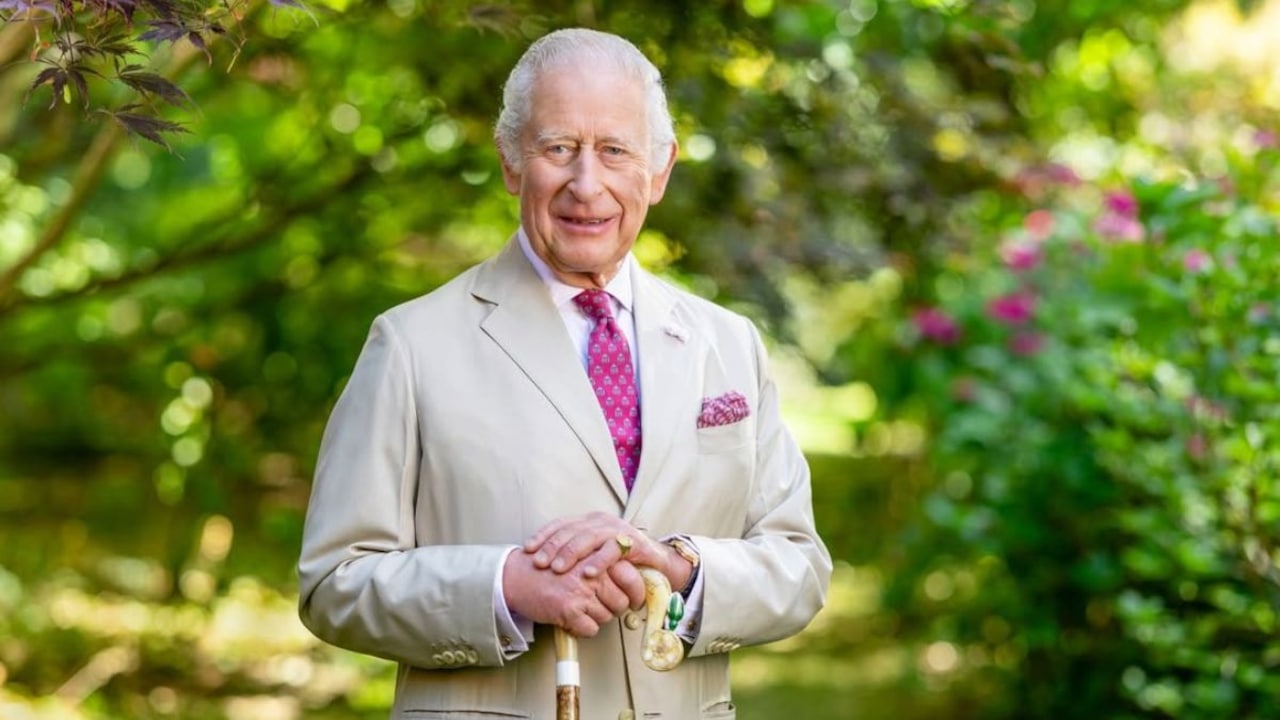
Buckingham Palace just made a massive financial pivot. In a historic first for the British monarchy, King Charles III is going to publish his personal tax bill. The move breaks centuries of tightly guarded secrecy surrounding the royal family's private wealth.
Let's be completely direct here. The King doesn't legally have to pay a single penny in income tax, capital gains tax, or inheritance tax. The British sovereign is entirely exempt from regular tax laws. But Charles is actively choosing to lay bare his private finances anyway.
While the announcement is being framed by palace officials as a natural evolution toward modern transparency, the actual timing tells a completely different story.
The Scandals Behind the Transparency
This isn't just about a 77-year-old monarch wanting to be open with his subjects. It's a calculated damage-control strategy.
The pressure on royal finances has been building for years, but it boiled over recently following scathing revelations from the National Audit Office. The government spending watchdog exposed a messy real estate arrangement involving the King's brother, Andrew Mountbatten-Windsor.
The audit revealed that Andrew had been pocketing private rental income by subletting three cottages near Royal Lodge, a 30-room mansion on the Windsor estate. He was doing this while paying only a symbolic, rock-bottom rent himself under a highly controversial lease. The spending watchdog admitted it didn't even know exactly how much cash Andrew was raking in from the deal.
By opening up his own financial books, Charles is trying to draw a sharp line between his personal operation and his brother's messy property scandals. He's trying to save the institution's reputation before public frustration forces the government's hand.
Where the King Actually Gets His Cash
To understand what the upcoming tax disclosure actually means, you have to separate the public money from the private wealth. Right now, the King draws from three main financial streams.
- The Sovereign Grant: This is the public fund that covers official royal duties, staff payroll, travel, and the massive ongoing renovations at Buckingham Palace. Funded by taxpayers through a percentage of the Crown Estate's profits, it hit a staggering £137.9 million for the 2026-2027 fiscal year. Charles does not pay tax on this because it's strictly for state business.
- The Duchy of Lancaster: This is a massive, private portfolio of land, commercial properties, and historic estates that belongs to the reigning monarch. It generated an incredible £26.8 million in income for the 2024-2025 financial year alone.
- Private Estates and Investments: This includes personal cash savings, stocks, and sprawling private properties like Balmoral in Scotland and Sandringham in Norfolk.
Under a voluntary agreement originally struck by Queen Elizabeth II back in 1993, the monarch pays the standard statutory tax rates on income from the Duchy of Lancaster and personal investments. The difference now? Charles is showing us the actual receipts instead of just asking us to take his word for it.
The Growing Rift with Prince William
The King's sudden push for financial clarity exposes a fascinating friction point inside the immediate family.
While Charles is opening his books for the 2024-2025 financial year, his son and heir, Prince William, is staying completely silent. The 43-year-old Prince of Wales currently pulls in roughly £23 million a year from the Duchy of Cornwall, a billion-pound hereditary estate.
William's team insists he pays the highest rate of income tax after deducting his official business costs. But they flatly refuse to publish his actual tax bill. It's a glaring contrast that makes the palace's uniform message of "modernization" look fragmented. If the King needs to be transparent to maintain public trust, why doesn't the future king?
What Happens Next
The palace will release the personal tax figures alongside the wider Sovereign Grant report. This drop comes at an incredibly tense moment. The UK Treasury and Downing Street are already reviewing the Sovereign Grant funding structure, and a new bill is expected to lower public funding for the royals once the Buckingham Palace repairs wrap up.
If you want to track how this unprecedented move shifts the public debate around the monarchy, watch these specific areas.
- Check the Duchy of Lancaster margins: When the numbers drop, look directly at the ratio between the King's total private profits and the exact amount sent to His Majesty's Revenue and Customs.
- Watch the House of Commons: Look out for upcoming hearings by the Public Accounts Committee, which is currently launching a deep investigation into royal property leases and the Crown Estate.
- Monitor the Prince of Wales: Keep tabs on whether political pressure forces William to abandon his current privacy stance and match his father's transparency rules.