Keir Starmer is out. Less than two years after securing a massive landslide victory for the Labour Party, the UK Prime Minister stood outside 10 Downing Street on Monday morning and told the world he is stepping down. It was a tearful, abrupt end to a premiership that promised stability but delivered deep internal division.
Voters wanted a change from the chaotic revolving door of Conservative prime ministers. Instead, Britain is about to get its seventh prime minister in ten years.
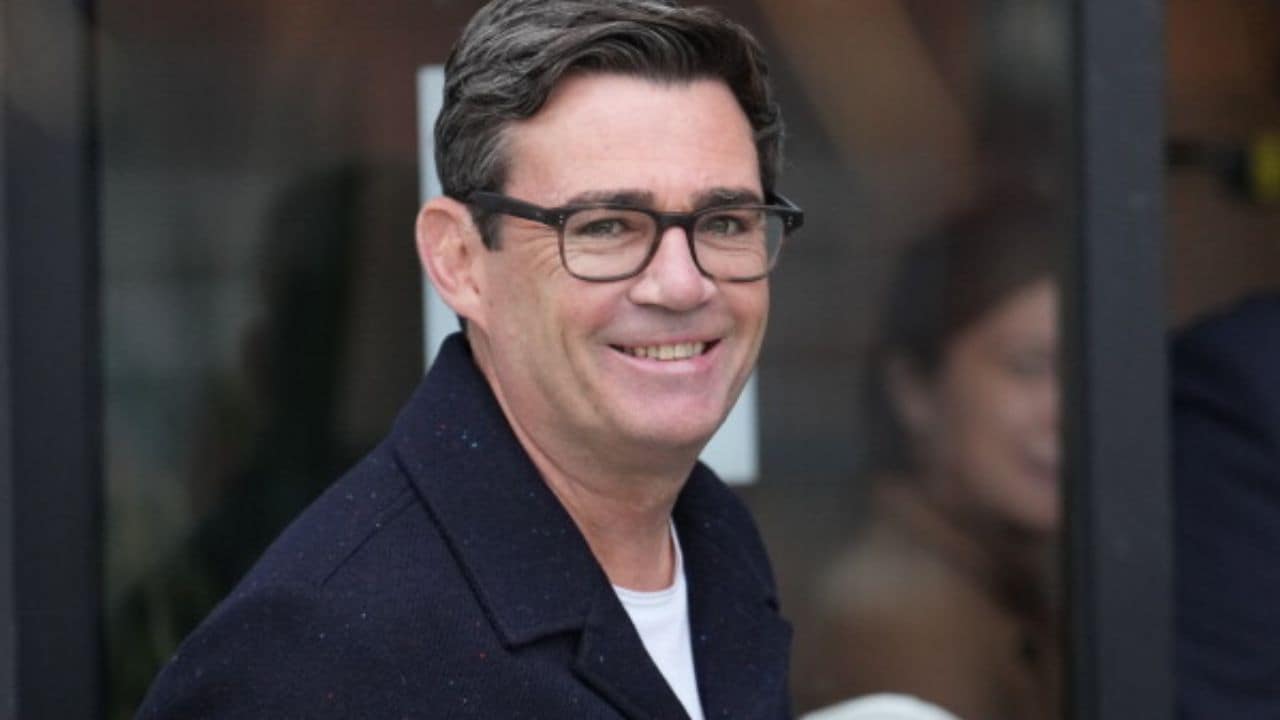
The immediate trigger for the Keir Starmer resignation was a sudden, intense mutiny within his own parliamentary party following a special by-election in Makerfield last week. Andy Burnham, the former Mayor of Manchester, won that seat decisively, blocking a fierce surge from Nigel Farage’s Reform UK. Labour MPs looked at Burnham’s success, looked at Starmer’s dismal -46 approval rating, and panicked. They realized they were facing a total wipeout at the next general election if they kept their current leader. Over the weekend, more than half a dozen cabinet ministers told Starmer his time was up. He bowed to the reality on Monday.
The Missteps That Broke Starmer's Grip on Power
You can't blame this entirely on one by-election. The rot started much earlier. Starmer won in 2024 because he wasn't a Tory, not because the public was deeply in love with his vision. Once in office, his political identity seemed to erode with every passing month.
Policy U-turns became his trademark. He backed away from early promises on welfare reform, altered business rates for pubs, and shifted positions on the farmers' inheritance tax. These shifts alienated the left wing of his party without winning over the right.
Then came the unforced errors in judgment. Appointing Peter Mandelson, a figure heavily criticized for his past ties to Jeffrey Epstein, as the UK ambassador to the United States sparked immediate outrage. It damaged Starmer's reputation for clean, competent governance. At the same time, relationships with Washington grew incredibly icy. Starmer initially refused to let US forces use British bases to launch strikes during the recent Iran conflict, wanting to avoid a repeat of the political fallout from the 2003 Iraq War. This move left him isolated internationally and heavily criticized by Donald Trump, who publicly blasted Starmer’s approach to immigration and energy right before the resignation announcement.
Domestic pressures multiplied fast. While Starmer tried to boast about falling NHS waiting lists and slight wage growth, ordinary people still felt trapped by a brutal cost-of-living crisis. Liberal voters drifted to the Green Party. Working-class communities started backing Reform UK. Starmer was caught in a pincer movement, losing support on both flanks.
The Race to Replace Him and the Rise of Andy Burnham
The rules for choosing the next leader are already in motion. Starmer confirmed that the National Executive Committee will open nominations on July 9. The process will finish before Parliament returns from summer recess in September. Starmer plans to stay on as a caretaker prime minister until then, representing the UK at the upcoming NATO summit in Turkey.
The transition might happen much faster than September. Andy Burnham is the clear frontrunner. Wes Streeting, who was considered a top contender, officially pulled out of the running on Monday to prevent a prolonged, bloody civil war within the party. Streeting stated that the party needs to focus on unity rather than spending the summer fighting over minor policy differences.
If no other candidate steps up to challenge Burnham by the July deadline, he could walk into 10 Downing Street as early as mid-July.
A sudden handover brings its own set of headaches for the British economy. Financial markets are already showing nerves. The pound experienced immediate volatility following the announcement, and 10-year gilt yields hovered around 4.84 percent. Investors hate uncertainty. Financial analysts from firms like Wealth Club and Quilter Cheviot have noted that UK assets still carry a distinct risk premium due to the country's relentless political instability since the Brexit vote.
What the Next Prime Minister Must Confront Immediately
Whoever takes over from Starmer inherits a total minefield. There is no honeymoon period available for the next leader.
First, they have to fix the economic foundations. Public borrowing figures are dangerously high, leaving almost no room for massive spending increases. The next prime minister will have to choose between deeply unpopular tax tweaks or continuing the tight fiscal policies that made Starmer so unpopular.
Second, the Labour Party has to figure out its actual identity. Trying to please everyone has left them pleasing no one. They must find a way to blunt the growth of Reform UK in post-industrial towns while simultaneously stopping the flow of younger, urban voters to the Greens.
If you want to track how this political transition impacts your own finances or business, keep a close eye on the gilt yields and the value of the pound over the next fortnight. If Burnham secures an uncontested victory by mid-July, the markets might stabilize quickly. If a messy, multi-candidate battle emerges on July 9, expect prolonged market jitters and further pressure on UK interest rates. Watch the nominations closely.