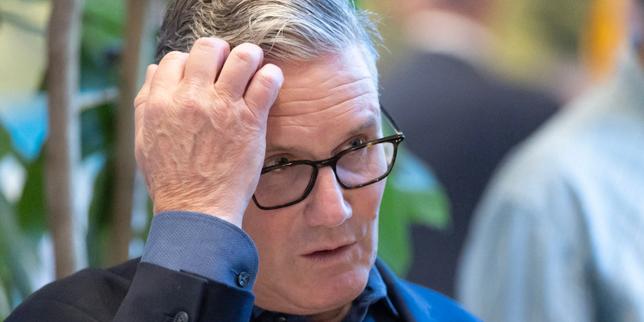
British politics does not just move fast anymore. It breaks things. Less than two years after leading the Labour Party to a historic landslide victory in July 2024, Prime Minister Keir Starmer is sitting in Chequers, the prime ministerial country estate, staring down the barrel of an unceremonious exit.
The whispers turned into loud conversations over the weekend. Now, they are outright layout plans for a transition. Multiple reports indicate that Starmer is preparing to announce a formal timetable for his resignation. It could happen as early as Monday.
How did a leader with a massive parliamentary majority end up here? The short answer is that a majority means nothing when your own lawmakers decide you are a electoral liability. The long answer involves a tanking economy, a sequence of catastrophic unforced errors, and the return of a political rival who has spent years waiting for exactly this moment.
The Makerfield Catalyst
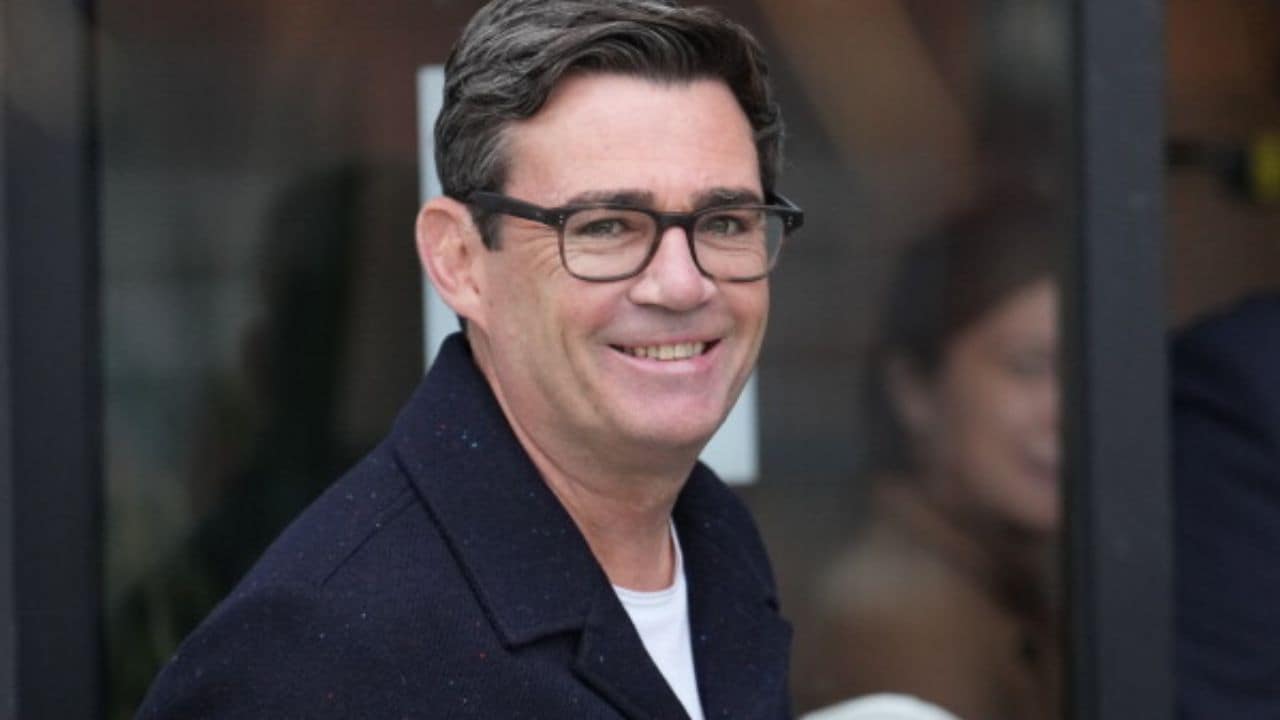
Every political collapse has a trigger point. For Starmer, that point arrived with a special election in the northwest English constituency of Makerfield. Andy Burnham, the former Mayor of Greater Manchester and a perennial thorn in Starmer's side, won that by-election with 54.8% of the vote.
That victory changed everything. Burnham is not just another backbencher. He is a heavy hitter with massive popularity outside the London bubble, and his victory gives him a seat in the House of Commons. He gets sworn in on Monday. By absolute design, that is the exact day Westminster expects Starmer to outline his departure.
Burnham did not mince words during his acceptance speech. He pointed out that politics is clearly broken and that the country is not where it needs to be. He called the election result a potential turning point. That is political code for a leadership bid.
Starmer tried to show a brave face on Friday. He told reporters in London that he would stand and fight if a leadership contest occurred. He insisted he would not walk away. But the ground has completely shifted beneath his feet since those comments.
A Cabinet in Open Revolt
You cannot govern when your top team starts telling you to pack your bags. Business Secretary Peter Kyle went on the BBC to call the resignation reports speculation, but his choice of words was incredibly telling. He admitted that Starmer is taking time to reflect on the political realities and challenges he finds himself in. When a cabinet minister says the boss is reflecting on reality, the writing is on the wall.
It gets worse for Downing Street. Reports indicate that Foreign Secretary Yvette Cooper has explicitly told Starmer that it is time to stand down. When one of the holders of the great offices of state tells the Prime Minister to quit, the game is usually over.
This is not a sudden whim. The crisis has been building for months. Over 100 Labour lawmakers have publicly demanded that Starmer resign or set an exit date. That represents roughly a quarter of all Labour representatives in the House of Commons. When twenty-five percent of your team mutinies in public, your authority vanishes.
The internal party numbers paint a grim picture. Party breakdowns show that nearly a hundred members have demanded immediate action, while dozens of others are staying quiet, waiting to see which way the wind blows. Senior Labour figures, including party peer Charlie Falconer, have openly stated that Starmer retains absolutely no authority left to govern.
The Scandals and Policy U-Turns That Broke Trust
To understand why Labour MPs are so desperate to replace Starmer, you have to look at his catastrophic slide in public polling. By the start of 2026, pollsters like YouGov tracked his net favorability down to minus 57. That is a staggering number. It matches the historic lows of Liz Truss, the shortest-serving prime minister in British history.
People became vessels for deep frustration with the entire political system. A massive 77% of the public reported that they did not trust Labour to deliver on its core promises or help with the ongoing cost-of-living crisis.
A major part of this collapse stems from a series of shocking political decisions. The most damaging was Starmer's choice to appoint Peter Mandelson as the UK ambassador to the United States. When subsequent leaks revealed the true extent of Mandelson's past relationship with convicted offender Jeffrey Epstein, Starmer was forced into a humiliating u-turn. He dismissed Mandelson and expressed public regret, but the damage to his reputation for clean governance was permanent.
Policy fights have also ripped the administration apart from the inside. Just this month, a bitter dispute over planned defense spending triggered a wave of high-profile resignations inside the Ministry of Defence. Defence Secretary John Healey walked out, accompanied by junior minister Al Carns and key aides.
Earlier, Health Secretary Wes Streeting resigned his post to protest Starmer's general direction. Streeting has already confirmed his intention to run in any upcoming leadership election. The administration has been bleeding talent for six months, leaving Starmer isolated.
Even his final legislative pushes have alienated voters. A recent sudden announcement to completely ban social media access for all children under sixteen drew immediate fire from civil liberties groups and younger voters, further fracturing his core coalition.
The International Dimension and the High Churn Reality
The chaos in London has caught international attention. US President Donald Trump did not wait for an official announcement before weighing in on the situation. Writing on his Truth Social platform, Trump claimed Starmer would resign after failing badly on immigration and North Sea energy policies.
While Downing Street dismissed the remarks, the public intervention highlighted how weak Starmer looks on the global stage. His attempts to stay on the good side of Washington to secure preferential trade terms have frequently led to accusations of weakness back home.
If Starmer steps down this week, Britain will welcome its seventh prime minister in just over a decade. This represents a level of political instability and turnover that the country has not seen in nearly two centuries. It destroys the core argument Starmer made when he took office, when he promised to end the years of Tory chaos and bring steady, boring governance back to Downing Street. Instead, the Labour Party has recreated the exact same cycle of internal warfare and rapid leadership execution.
What Happens Next in Westminster
The immediate focus shifts to how a transition will actually work. Some backbench loyalists worry that replacing Starmer with Burnham without a full, rigorous process will turn into a total farce. They point out that even junior staff members face more vetting than a potential prime minister under the current party rules.
Others want Starmer to go quietly to preserve some shred of dignity. They want a managed transition where Starmer and Burnham cooperate on a handover date rather than an explosive public fight that tears the party to pieces ahead of upcoming regional elections.
If you are tracking this crisis, watch these specific indicators over the next forty-eight hours to understand exactly how the power transition will unfold.
- Monitor the precise timing of Andy Burnham being sworn in as an MP on Monday afternoon, as this provides the legal trigger for his official entry into Westminster politics.
- Watch for a coordinated public statement from the remaining members of the Labour Cabinet, which will signal whether Starmer has agreed to a voluntary departure timetable or intends to force a formal no-confidence vote.
- Track the public declarations of support from uncommitted Labour backbenchers to see if a consensus candidate like Burnham can achieve a clean coronation, or if rivals like Wes Streeting will force a wider, multi-candidate leadership race.