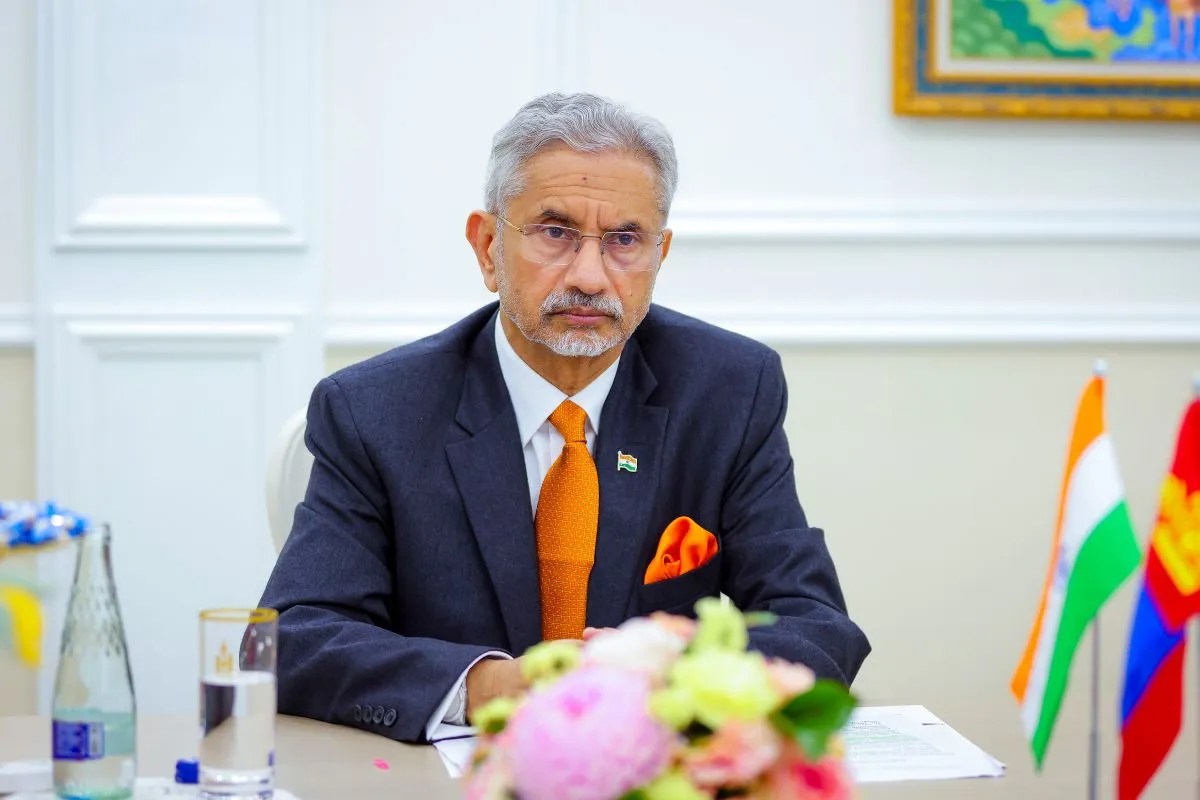
Don't believe the optimistic headlines coming out of the White House. The fifth round of Israel Lebanon negotiations in Washington starting this June 23, 2026, isn't a breakthrough. It's a sideshow. While diplomats smile for the cameras in the US capital, the real decisions are happening thousands of miles away in Switzerland, where the US and Iran are quietly mapping out the future of the Middle East.
If you think Israel and Lebanon are negotiating their own peace, you're missing the bigger picture. This entire diplomatic dance is completely dependent on a fragile, broader regional deal. The structural reality of this conflict means that local actors don't hold the keys to their own ceasefires.
The Washington Negotiations Are an Illusion of Control
The Trump administration wants you to look at Washington. They want you to see the Lebanese delegation and the Israeli officials sitting across from each other. They want to project the image of a traditional, structured peace process.
It's a carefully manufactured illusion.
The framework being discussed depends on conditions that neither the Lebanese government nor the Israeli military can fully guarantee on their own. The core of the proposed deal requires the total withdrawal of Hezbollah fighters north of the Litani River and the deployment of the Lebanese army in the south.
Here is the problem. The Lebanese state doesn't have the political will or the physical muscle to push Hezbollah out of the south. Hezbollah is an armed entity backed directly by Tehran, operating outside state control. Expecting the Lebanese army to forcefully disarm or displace them is an absolute fantasy.
The White House Is Forcing a Marriage of Convenience
The driving force behind these sudden talks isn't a sudden desire for peace from Netanyahu or the authorities in Beirut. It's intense pressure from the US executive branch. Vice President J.D. Vance recently announced a two-month suspension of US oil sanctions against Iran following intense talks in Switzerland.
The White House sees the Israel Lebanon negotiations in Washington as a necessary piece of a larger puzzle. They want to stabilize global energy prices, secure maritime routes, and lock in a regional security framework before the upcoming political cycle heats up.
But Israel is pushing back hard against this timeline. Israeli leaders feel that Washington is pulling the rug out from under them. Just this week, Israeli Channel 13 leaked a message from US officials stating that Israel's previous blanket permission to operate without restrictions in Lebanon has officially expired.
The White House is essentially putting Israel on a leash. They've ordered the Israeli air force to stop striking targets in Beirut and Tyr. Prime Minister Benjamin Netanyahu is furious. He's publicly insisting that Israeli soldiers retain total freedom of action in the south. This public friction shows that the US and its closest regional ally are operating on completely different wavelengths.
Why Lebanon Wants a Divorce from the Iran Deal
Lebanese negotiators are entering the Washington talks with a desperate, new strategy. They want to completely separate their border dispute from the broader US-Iran negotiations.
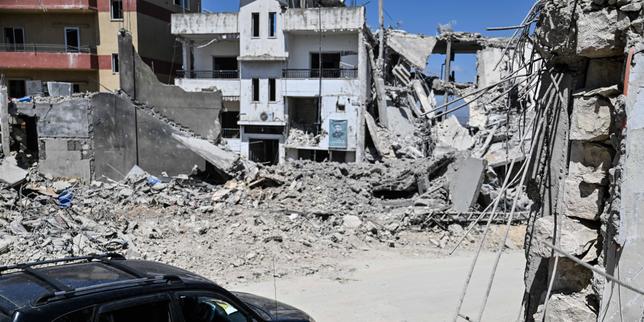
It makes sense from their perspective. Lebanon has been dragged into a devastating conflict that has cost over 4,000 lives and displaced more than a million people since early 2026. The local economy is in absolute ruins. Beirut knows that if its peace is tied to the survival of the US-Iran memorandum, Lebanon will remain a permanent battleground whenever Washington and Tehran have a falling out.
Iranian Foreign Minister Abbas Araghchi made it clear that Iran views the Lebanese ceasefire as the ultimate test of American sincerity. If the ceasefire fails, the whole US-Iran deal collapses. By tying Lebanon's fate to Tehran's nuclear and sanctions ambitions, the regional powers have turned the border talks into a high-stakes poker game.
The Crucial Flaw in the 60-Day Roadmap
The current diplomatic push is built on a temporary 60-day roadmap. This timeline is supposed to give negotiators room to finalize a comprehensive treaty.
It won't work. Sixty days is an eternity in a conflict driven by non-state actors. Neither Israel nor Hezbollah actually signed the interim document drafted in Switzerland. Hezbollah leaders have already stated they won't accept any permanent deal while Israeli troops occupy a single inch of Lebanese soil.
Meanwhile, Iran is already testing its boundaries. Right after the US suspended oil sanctions, Iranian negotiator Mohammad Bagher Ghalibaf declared that Iran would maintain strict, managed control over the Strait of Hormuz. They're refusing to return to pre-war maritime rules. This immediately broke the spirit of the American sanctions relief, proving that Tehran plans to take the economic benefits while giving up as little strategic ground as possible.
What Happens Next on the Ground
If you want to track where this crisis is actually going, ignore the formal communiqués issued by the State Department this week. Watch these three concrete indicators instead.
First, look at the daily flight paths of Israeli reconnaissance drones over the southern suburbs of Beirut. If Israel honors the new US restrictions and keeps its aircraft away from the capital, it means Netanyahu is yielding to American economic leverage. If the strikes resume, the Washington talks are dead.
Second, monitor the actual deployment patterns of the Lebanese Armed Forces. Watch if they move heavy equipment south of the Litani River, or if they remain stationed in their existing northern barracks. Without a physical troop movement, any signed paper in Washington is meaningless.
Third, watch the volume of crude oil shipping out of Iran's Kharg Island terminal over the next 30 days. If oil flows surge while Iran maintains its aggressive posture in the Strait of Hormuz, the Trump administration will face immense domestic political pressure to snap the sanctions back into place, tearing up the diplomatic script entirely.
The diplomats in Washington are rewriting a script that the actors on the ground have no intention of performing. True stability won't be found in a federal conference room; it will only happen when the underlying regional proxy architecture is fundamentally dismantled.