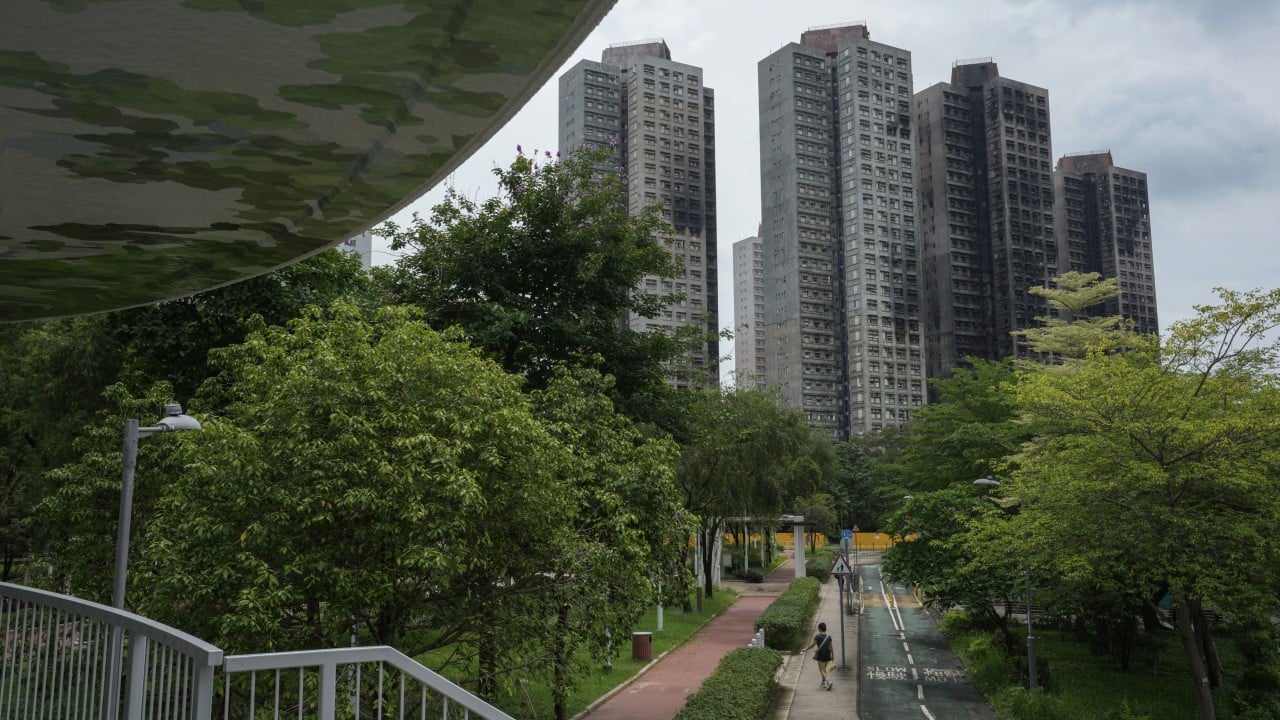
Critics are furious that the independent committee investigating Hong Kong’s deadliest inferno in eight decades won't ask for full teeth. When Judge David Lok announced that his panel is ruling out statutory powers for the ongoing Tai Po fire probe, it felt like a betrayal to many grieving families. After all, 168 people died at Wang Fuk Court on November 26, 2025. The community wants blood, absolute transparency, and the full weight of the Commissions of Inquiry Ordinance.
But forcing a legal upgrade right now is a terrible idea.
The reality is that the committee has already collected enough explosive evidence to map out the entire disaster. Demanding a shift to a formal statutory commission under Chapter 86 of Hong Kong law sounds great on paper. It would let the panel subpoena witnesses by force and issue arrest warrants. In practice, it would slow things down to a crawl. The clock is ticking, and the current strategy is actually working.
The Evidence is Already Damning
You don't need a heavy-handed legal mandate to uncover a truth that's already staring you in the face. Over the past four rounds of public hearings, the committee has exposed a jaw-dropping web of corporate negligence, forged safety documents, and systemic regulatory failure.
Lead counsel Victor Dawes didn't mince words during the proceedings. On the day of the blaze, nearly every single life-saving system inside the eight-building public housing complex failed entirely because of human error.
The technical breakdown is terrifying.
- Deactivated Alarms: The main switch controlling both the water pumps and the fire alarms was turned off entirely.
- Flammable Netting: Scaffolding mesh wrapped around the buildings failed fire-retardant tests spectacularly. Inspectors were intentionally tricked because contractors placed actual fire-resistant netting only at the ground level where samples were likely to be collected.
- Toxic Polyurethane: Highly flammable expanded polystyrene boards were installed over interior lift lobby windows and exterior windows, turning the building facade into a vertical fuel line.
- Forged Certificates: The safety documents for the construction materials bore the outdated name of a mainland testing authority. They were fake.
The panel achieved these revelations without the power to lock people up for contempt. Witnesses are talking. Corporate executives are cracking under cross-examination. The paper trail is secure.
The Trap of Legal Bureaucracy
So why are people still pushing for statutory powers?
The argument rests on the idea that without the power to compel cooperation, bad actors will simply refuse to show up or hide documentation. We saw a glimpse of this when directors of China Status Development and Engineering Company declined to testify, leaving a lone director to take the heat.
Stopping the current probe to reboot it as a statutory Commission of Inquiry would trigger massive procedural delays. A formal statutory inquiry requires strict legal frameworks that allow every single implicated party to hire top-tier defense teams to stall, challenge the scope of questions, and drag out the timeline via judicial reviews.
We don't have time for a years-long courtroom drama. The affected residents of Tai Po are living in temporary housing or struggling through a profound mental health crisis. The government-appointed administrator is still wrestling with the Lands Tribunal just to organize basic homeowners' meetings.
The current independent committee has a hard deadline to submit its final report by September 2026. Upgrading the panel’s status now would smash that timeline into pieces.
Criminal Courts are Already Handling the Punishment
A common misconception about public inquiry panels is that they hand out prison sentences. They don't. Their job is fact-finding and policy recommendation.
Real accountability is already playing out in the criminal justice system. The police and the Independent Commission Against Corruption didn't wait around for the judge's final report. On June 11, 2026, authorities arrested and charged seven individuals and two major firms with manslaughter and fraud.
The targets aren't small fish. Prestige Construction and Engineering, along with project consultant Will Power Architects, are facing the music in a proper court of law.
When criminal prosecution for manslaughter is already moving at full speed, demanding the inquiry panel to assume coercive statutory powers is redundant. The criminal courts possess all the teeth necessary to jail the people responsible.
Blame Shifting in the Public Sector
What the Tai Po fire probe really highlights isn't a lack of legal muscle, but a severe case of bureaucratic finger-pointing.
During the session that closed on April 30, officers from the Urban Renewal Authority, the Fire Services Department, and the Housing Bureau spent days arguing that regulating these dangerous renovation materials was someone else's job. The Urban Renewal Authority claimed it had no formal mechanism to pass along resident complaints regarding Prestige Construction's horrific safety record—a record that included over 140 prior convictions.
They simply ignored the warnings.
This is the real value of the current probe. It forces these public institutions to air their dirty laundry in public view. A statutory upgrade wouldn't make the Fire Services Department magically take responsibility any faster. It would only give their legal teams more avenues to shield bureaucrats from embarrassing public cross-examinations.
What Needs to Happen Right Now
The focus needs to shift away from legal definitions and toward immediate action. The evidence gathered so far is more than sufficient to trigger permanent changes across Hong Kong’s entire construction sector.
First, the Security Bureau must push through its proposed amendments to the Fire Services Ordinance. We need massive criminal penalties for building management companies and contractors who intentionally disable active fire protection systems during building works. A guideline with no legal teeth is useless.
Second, the Buildings Department must institute a mandatory, third-party verification system for all fire-retardant certificates submitted by contractors. Relying on a piece of paper that can be forged with a PDF editor is an invitation to another disaster. Random, independent laboratory testing of scaffolding mesh must become the baseline standard on every single high-rise site in the city.
Judge David Lok’s committee doesn't need statutory powers to save lives. It needs to finish its job by September, lay bare the institutional rot, and hand the government a blueprint for reform that cannot be ignored. The criminal courts will handle the punishment; this panel needs to ensure it never happens again.