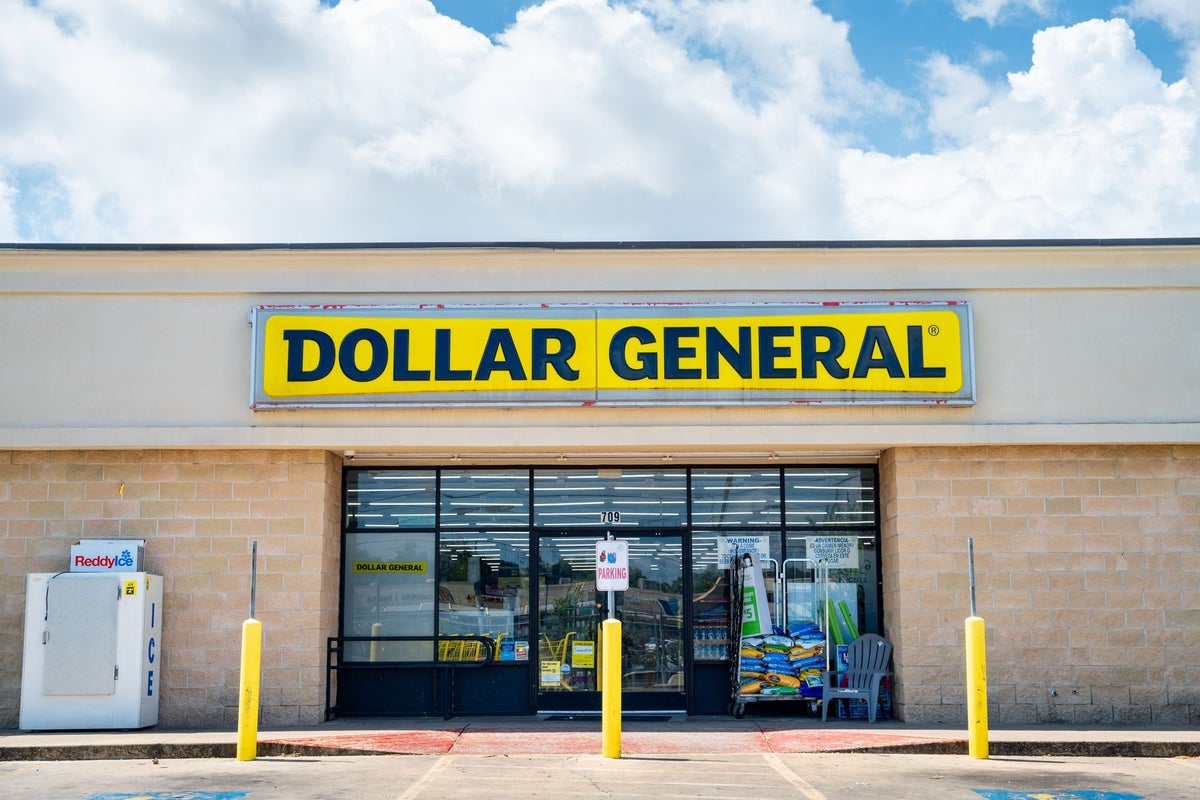
You do not expect to go to work and never come home over a pair of hamburger buns. Yet that is exactly what happened in Columbus, Georgia, when a Dollar General manager was fatally shot by a customer during a routine checkout. It is a story that sounds too absurd to be real, yet it highlights a deeply terrifying truth about modern customer-facing jobs. Retail workers are entirely unprotected on the front lines of an increasingly volatile society.
The victim was Alexis Hill, a 44-year-old mother of three boys. She was doing her job on a Tuesday evening when a customer walked up to her register to buy hamburger buns. The item rang up to $1.58. The customer handed her two crumpled up one-dollar bills. According to the Muscogee County Coroner's Office, as Hill was simply straightening out the wrinkled paper money to put it into the cash drawer, the customer pulled out a gun and shot her dead.
Think about that for a second. No massive argument. No heated back-and-forth over store policy. Just a woman trying to smooth out cash for a buck-and-fifty-eight-cent transaction. The sheer senselessness of the act makes your stomach drop.
The Chaos That Followed the Georgia Dollar General Shooting
The shooter did not stay to answer for what he did. After firing the fatal shot inside the Columbus store, the suspect fled the scene immediately. When Columbus police officers tracked him down shortly after the incident, he did not surrender. Instead, he opened fire on the responding officers.
A violent shootout broke out in the middle of a public space. During the gun battle, the suspect injured a Columbus police officer and a K-9 unit. Police returned fire, killing the suspect on the spot. While officials confirmed the shooter is dead, they have held back on releasing his identity to the public. The injured officer is expected to survive, but the condition of the K-9 remains unclear.
It is a small relief that the threat was neutralized quickly, but it does absolutely nothing to fix the wreckage left behind. Alexis Hill is gone. Three boys no longer have a mother. A community is left wondering how a routine grocery run turned into a double fatal shooting.
Why Discount Retail Stores Are Becoming Danger Zones
This was not a random, isolated stroke of bad luck. If you look at the track record of corporate discount chains across the United States, a clear, dangerous pattern emerges. Dollar stores have evolved into magnets for violent crime, and the corporate higher-ups know it.
The business model of dollar store chains relies heavily on keeping operating costs as low as humanly possible. How do they do that? They understaff their stores. Walk into almost any dollar store in America, and you will see the exact same thing. A massive retail space packed to the ceiling with inventory, managed by only one or two employees at any given time. One worker is stuck behind the register trying to handle a massive line, while the other is in the back trying to unpack heavy pallets of stock.
This environment makes these stores incredibly soft targets for armed robberies, shoplifting, and unpredictable customer outbursts. There are no security guards. There are rarely any protective barriers between the cashier and the public. Workers are completely exposed.
Data from the Gun Violence Archive, a prominent nonprofit tracking organization, shows that nearly 50 people have died and 172 have been injured in Dollar General stores across the country over the last decade. That is a horrifying statistic for a neighborhood convenience shop. Workers are not trained security professionals, yet they are forced to deal with security crises every single shift.
A Corporate History of Ignoring Worker Safety
The Occupational Safety and Health Administration has been screaming into the void about this exact issue for years. In fact, OSHA placed Dollar General into its Severe Violator Enforcement Program. That is a designation reserved for companies that show absolute indifference to federal safety requirements through repeated, willful violations.
Federal inspectors have slapped the corporation with millions of dollars in penalties over the years. Between 2017 and 2024, the company racked up over $26 million in proposed safety fines. Most of those citations were for things like blocked fire exits, emergency paths crammed with overstock boxes, and unstable merchandise piles.
While those specific fines focus on fire safety and store layouts, they point to a much larger corporate culture. It is a culture that prioritizes rapid expansion and massive profit margins over the basic physical well-being of the human beings staffing the registers. When a store is so cluttered that employees cannot even reach an emergency exit during a fire, how can anyone expect them to feel safe from an active shooter?
In July 2024, the corporation finally agreed to a massive $12 million corporate-wide settlement with OSHA to resolve these persistent workplace safety violations. As part of that deal, they are supposed to hire dedicated safety managers, reduce overstock inventory, and set up an anonymous hotline for hazard reporting. But as the tragedy in Georgia shows, paperwork and settlement agreements do not instantly stop a bullet.
The Invisible Toll on Frontline Workers
It is easy to get desensitized to crime news when it flashes across your screen every day. You see a headline, think "that is terrible," and keep scrolling. But the retail workers who survive these environments do not have the luxury of scrolling away. They have to go back to work the next morning.
Organized labor groups and activist organizations like Step Up Louisiana have been rallying dollar store employees nationwide to protest these exact conditions. Workers have openly shared stories about having knives and guns pulled on them over minor disputes. They talk about working the night shift completely alone, wondering if every customer walking through the sliding glass doors will be the one that snaps.
One employee organizing with Step Up Louisiana summarized the feeling perfectly during a past protest, noting that cashiers are not police officers, paramedics, or tactical teams. They do not get paid enough to wear a bulletproof vest to work, yet the daily reality of their job requires that exact level of high-alert stress.
When a company builds its entire empire on rock-bottom prices, the hidden cost is often shifted directly onto the backs of its lowest-paid employees. A $1.58 bag of hamburger buns should never cost a human life.
How to Protect Yourself in Frontline Retail Roles
If you work in a customer-facing retail position, you cannot control the actions of an unstable customer. You can, however, take specific control over how you handle high-risk situations at the register.
First, never prioritize store property or corporate cash over your life. If a customer is acting aggressively, agitated, or demands money, comply immediately. Do not attempt to de-escalate an armed individual by arguing store rules or transaction prices. Step away from the register if possible and create physical distance.
Second, document every single safety hazard you see in your workplace. If your store has blocked exit routes, broken security cameras, or non-functioning emergency panic buttons, report them in writing to your management team immediately. If corporate ignores the issue, file an online complaint directly with OSHA. You have a legal right to a workplace that is free from recognized hazards.
Finally, ensure you know every single exit point in your building, not just the front doors. If an active shooter scenario unfolds, your best option is always to run and escape the building entirely if a safe path exists. If escaping is impossible, hide in a room that can be locked or barricaded, silence your cell phone, and stay completely out of sight until law enforcement clears the scene.
Retail work should not be a hazardous duty assignment. Corporate entities must face intense public pressure to invest heavily in physical security barriers, enhanced staff sizing, and mandatory de-escalation training. Until that structural shift happens, frontline employees must remain highly vigilant to protect their own safety.