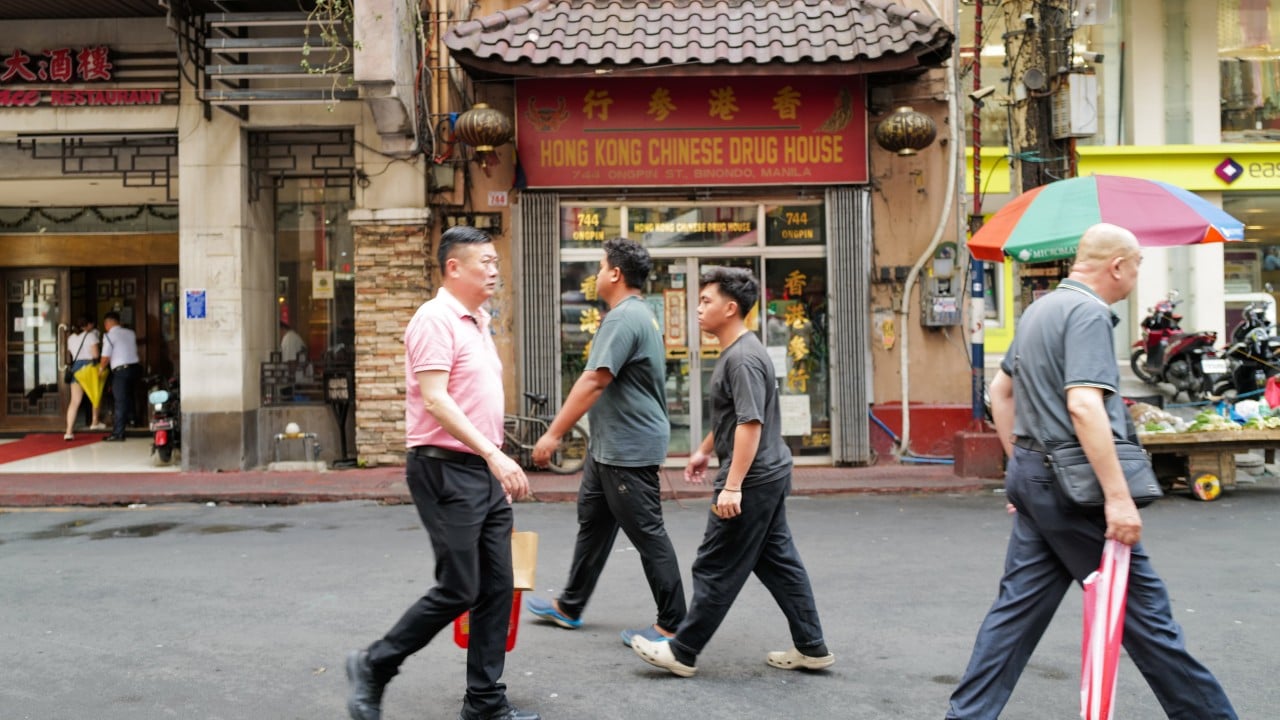
Disasters don't care about maritime borders. When a massive earthquake rips through the southern Philippines, flattening homes and displacing thousands of families, the immediate human response is to help. Yet, when the Chinese-Filipino community steps up with millions of pesos in food, water, and medical supplies, their charity is increasingly viewed through a cynical geopolitical lens.
It is a bizarre, uncomfortable reality of life in 2026. Naval stand-offs near disputed shoals and highly publicized espionage investigations have poisoned the well of public discourse. Now, even disaster relief is treated with suspicion by vocal corners of the internet.
But if you look closely at how the Tsinoy (Chinese-Filipino) community is responding, you won't find panic. You'll find a quiet, stubborn refusal to let online noise dictate real-world solidarity. Major civic organizations are actively downplaying fears of rising Sinophobia, choosing instead to double down on what they've done for over a century: delivering aid where it is needed most.
The Disconnect Between Online Noise and Ground Reality
If you spend all day on social media, you'd think the Philippines is on the verge of a cultural rupture. The comment sections are brutal. A routine announcement of earthquake relief from a Chinese-Filipino business federation quickly fills with accusations of "soft power laundering" or diversion tactics away from the South China Sea dispute.
When you get to the actual disaster zones in Mindanao, that digital anger evaporates.
People who have lost their roofs or haven't had clean drinking water for forty-eight hours don't ask about the ethnicity or the ancestral background of the volunteer handing them a care package. They see the fire trucks from the local volunteer brigades—historically funded and manned largely by the Tsinoy community—arriving with water bladders. They see bags of rice stamped with the logos of local Chinese-Filipino chambers of commerce.
This gap between online tribalism and offline gratitude is exactly why community leaders aren't panicking. The structural reality of the Chinese-Filipino community is that it isn't an external entity trying to buy goodwill; it's a deeply embedded, foundational part of the Philippine social fabric.
Why Tsinoy Aid Groups Refuse to Step Back
The knee-jerk reaction for any minority group facing a surge in hostile public sentiment might be to pull back, lie low, and let the storm pass. For organizations like Kaisa Para Sa Kaunlaran or the Federation of Filipino-Chinese Chambers of Commerce and Industry (FFCCCII), that isn't an option.
To understand why, you have to understand the unique tradition of the voluntary fire brigade and civic disaster response in the Philippines. In many municipalities, public emergency services are underfunded and slow to react. For decades, the Chinese-Filipino community built a parallel, entirely volunteer-run network of disaster responders. They don't just write checks; they drive the ambulances.
"Our loyalty isn't a political chip to be traded or defended based on the daily news cycle," a long-time volunteer coordinator in Manila told me. "We live here. Our businesses are here. When the ground shakes, it shakes under all of us."
By continuing to lead relief operations openly, these groups are subtly shifting the narrative. They aren't issuing defensive press releases defending their patriotism. They are letting the physical presence of their relief trucks do the talking. It's a calculated strategy: counter abstract political hostility with undeniable, material utility.
Navigating the Geopolitical Crossfire
Let's be completely honest about the pressure the community faces right now. The backdrop isn't just a generic diplomatic cold spell. We're living through an era of heightened friction, where maritime run-ins dominate the evening news and regional politicians find easy leverage in stoking fears about foreign influence.
This creates a distinct tightrope walk for Tsinoys:
- The Foreigner Label: Despite families living in the archipelago for three, four, or five generations, a single geopolitical flare-up can cause bad actors to conflate local citizens with a foreign state.
- The Political Weaponization of Charity: If a group coordinates with the Chinese embassy for additional relief funds, they are accused of being a Trojan horse. If they fund it entirely locally, critics claim they're trying too hard to prove their loyalty.
Recognizing these traps, the veteran leadership within the Tsinoy community has focused its efforts entirely on localized, bottom-up aid. By cutting out diplomatic pageantry and focusing heavily on direct partnerships with local government units (LGUs) and secular Filipino NGOs, they remove the geopolitical ammunition that online critics crave.
What True De-escalation Looks Like
Fixing this friction won't happen through high-level diplomatic statements. It requires a conscious effort from everyday citizens to separate national security concerns from the domestic population.
If you want to support a more balanced, rational approach to community solidarity during crises, the path forward involves practical steps that bypass the digital rage machine.
- Vet the Source Before Recommending: When you see a viral post attacking a local relief effort, look at who is posting it. More often than not, it's an account looking for engagement metrics rather than a voice from the actual disaster zone.
- Support Secular, Unified Relief Channels: If you're looking to donate to ongoing earthquake recovery, channel your resources through established joint initiatives where Tsinoy civic groups and national organizations work side-by-side.
- Recognize the Institutional History: Understand that the infrastructure delivering clean water or clearing roads in many disaster-hit provinces didn't appear overnight as a public relations stunt; it represents a multi-generational commitment to local civil defense.
The geopolitical landscape will continue to shift, and the headlines next month might be even more tense than they are today. But as long as the ground continues to shake, the fundamental human impulse to show up with a truck full of supplies will remain the strongest defense against division.