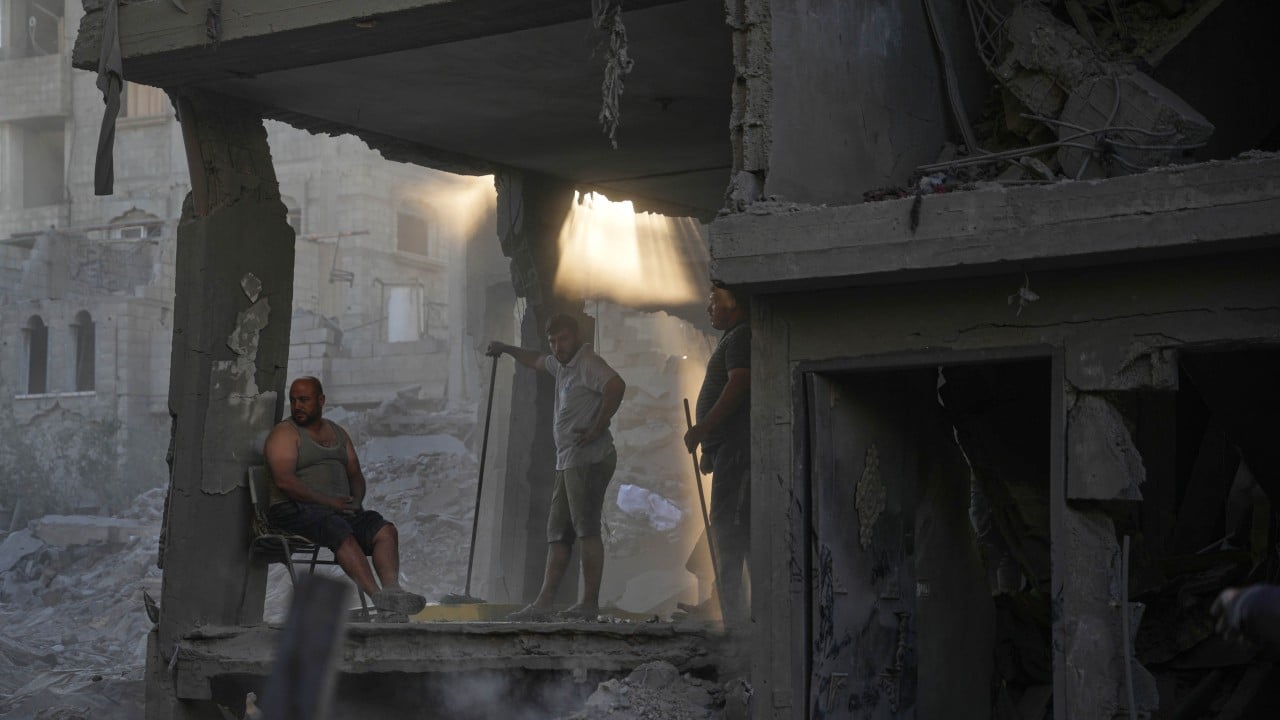
The numbers coming out of Gaza don't feel real anymore. It's easy to get numb when a casualty count ticks upward week after week, but the latest milestone should make everyone stop and look. The Palestinian death toll has officially surpassed 73,000.
What makes this specific number so jarring is the timing. Gaza is supposed to be under a ceasefire. A US-brokered truce took effect back in October, promising an end to full-scale military operations and delivering the return of the remaining hostages. Yet, since that paperwork was signed, nearly 1,000 more Palestinians have lost their lives. Five Israeli soldiers have also been killed during this period.
It raises an obvious, uncomfortable question. Why are so many people still dying during an active peace agreement?
The reality on the ground is that this ceasefire exists mostly on paper. While the initial diplomatic breakthrough halted massive, coordinated aerial campaigns, it left behind a toxic security vacuum. Instead of a hard stop to the violence, the region transitioned into a grinding, undeclared war of attrition where neither side is actually backing down.
The Illusion of a Paper Peace
When the October truce was announced, the global community breathed a sigh of relief. The agreement successfully facilitated the release of captives and brought down the intensity of the carpet-bombing campaigns that defined the early stages of the conflict. But the underlying framework of the deal has completely stalled.
The biggest bottleneck comes down to two incompatible demands. Hamas refuses to disarm, viewing its weapons as its only remaining leverage. Meanwhile, Israeli troops have advanced further into Gaza rather than withdrawing, completely contradicting the spirit of the original drawdown agreement.
Both sides blame each other for the violations. Israel maintains that its ongoing military operations are necessary defensive responses to clear out immediate threats and react to sporadic rocket fire or ambush attempts by militants. The Gaza Health Ministry, on the other hand, reports that everyday citizens are paying the price for continued localized raids and targeted airstrikes.
This isn't a peace deal. It's a paused war where people still die every day.
Breaking Down the Grim Math
To truly understand what 73,001 deaths look like, you have to look at the health infrastructure trying to keep track of them. The Gaza Health Ministry, staffed by medical professionals who have spent years working under siege conditions, handles the grim task of counting the dead.
Independent experts and United Nations agencies generally view these records as reliable. While the ministry does not separate civilian casualties from combatants in its quick-release daily tallies, its historical data shows that women and children consistently make up roughly half of all fatalities.
Alongside the massive loss of life, the number of wounded has ballooned to over 173,200 people. In a territory where almost every major hospital has been damaged, destroyed, or stripped of basic medical supplies, being severely wounded is often a delayed death sentence. Infections, a lack of clean water, and zero access to specialized surgeries mean that hundreds of people who survive the initial blast end up dying weeks later in a tent city.
The humanitarian crisis has evolved past direct military violence. The breakdown of sanitation, the absence of proper latrines, and the sheer density of displaced families living under plastic sheets are creating silent killers that don't show up in airstrike reports.
Localized Raids and Hidden Escalation
The violence happening right now doesn't always make the front pages because it lacks the dramatic, shocking visuals of the war's opening months. Instead, it takes the form of surgical strikes and localized incursions.
Take a recent Sunday afternoon in northern Gaza’s Jabaliya refugee camp. An Israeli strike hit the area, killing at least four people and wounding several others. The casualties were rushed to the shifting, makeshift medical wings of Shifa Hospital. When questioned about the attack, Israeli military officials stated they targeted active terrorists in the area but offered no further details.
This is the standard loop of the current truce era. An area is flagged, a localized strike occurs, individuals die, and the military cites immediate operational necessity. For the families living in these camps, the distinction between full-scale war and a "fragile ceasefire" is entirely meaningless.
The political backdrop makes things even trickier. A parallel regional conflict involving the US, Israel, and Iran has occasionally dominated international headlines, drawing diplomatic attention away from the daily breakdown of the Gaza agreement. With global leaders focused on keeping regional shipping lanes open and preventing wider escalation, the localized enforcement of the Gaza truce has taken a back seat.
What Needs to Change Next
The current diplomatic strategy of maintaining a frozen, broken ceasefire isn't working. If international mediators want to prevent the death toll from climbing toward the next horrific milestone, the baseline approach has to pivot.
First, the ambiguity of the truce terms must be resolved. Letting both sides operate under their own loose definitions of "defensive actions" simply guarantees ongoing civilian casualties. A rigid, independently monitored observation mechanism needs to be established on the ground to call out violations in real-time.
Second, the focus must shift from political negotiations to immediate medical and structural aid delivery. The staggering injury count proves that saving lives right now requires a massive influx of field hospitals, clean water infrastructure, and medical evacuation corridors. Without immediate, heavy-handed intervention from international stakeholders to enforce the actual terms of the troop withdrawal, the paper peace will continue to offer zero protection to the people trapped underneath it.