Walk past the rows of white displacement tents and bombed-out concrete blocks near the Gaza City port, and you won't expect to see a surfboard. Yet, there they are. Three young men are standing on the sand, rolling their shoulders, and waxing down beat-up fiberglass boards with household candle wax.
Gaza surfers seek solace from war in the sea, and they do it at the risk of their lives.
It sounds crazy. The Mediterranean waters off the Gaza Strip are dangerous. They aren't just dangerous because of rip currents or rocks. They're dangerous because of naval gunboats, drone strikes, and a fragile, constantly violated ceasefire. But for the last remaining surfers in the enclave, the water is the only place left where they can actually breathe.
When you look at the news out of the region, it's a relentless stream of grim statistics. Over two years of brutal conflict have left the infrastructure in ruins. A shaky truce came into effect in October, but everyone knows it's thin. Shelling still echoes in the distance. Gunfire still rings out near the coast. Despite that chaos, when the swell hits the right height, these men drop everything and run to the beach.
The Reality of Surfing a Conflict Zone
You can't talk about surfing in Gaza without talking about the sheer physical danger. Last year, the waters were declared a total no-go zone. Swimming, fishing, and boating were banned by military forces. Even today, with a nominal ceasefire holding the region together by a thread, the ocean remains highly militarized.
Just days ago, naval fire wounded local fishermen right off the coast of Gaza City. The threat isn't theoretical. It's immediate.
Tahseen Abu Assi is 23 years old. He learned to surf from his father, who learned from his grandfather. For Abu Assi, the ocean isn't a playground. It's a sanctuary, but one with a massive target on it. He knows that an artillery shell could drop near his board at any second.
The fear is real. They admit it. But the addiction to that brief window of peace is stronger than the terror. When you're sliding down the face of a moving wall of water, the sound of the drones fades out. The internal noise stops. For a few seconds, you aren't a displaced person living in a tent. You're just a surfer.
Three Men Left Out of Seventeen
Before the recent escalation, Gaza actually had a small, vibrant surfing community. There were seventeen regular surfers who shared gear, taught kids, and dreamed of international competitions.
Now, there are only three.
- Tahseen Abu Assi (23): The veteran leader who inherited his passion through generations.
- Abdel Rahim Ustadh (19): The teenager fighting to keep his battered red-and-blue board alive.
- Khalil Abu Jiyab (18): The youngest of the group, who has spent 13 years on the water and refuses to surrender his dreams.
The rest of the club members have either been displaced to the far south, injured, killed, or simply forced to give up because their equipment was obliterated. When your home is flattened by an airstrike, saving a nine-foot piece of fiberglass isn't always possible.
Abu Assi tells a story about his evacuations. He was forced to flee his home four separate times during the height of the bombing campaigns. Each time the orders came to run, he grabbed his surfboard before he grabbed almost anything else. His family thought he was losing his mind. He knew the truth. If that board broke or got left behind under the rubble, his connection to sanity would go with it.
The Ingenuity of Survival on a 20-Year-Old Board
Imagine trying to surf without surf wax. If you don't coat the deck of the board, your feet slip off the moment you try to pop up. It's like standing on ice.
Because of the strict blockade that has been in place since 2007, specialty sports equipment is completely banned from entering the territory. You can't just order surf wax online. You can't walk into a shop and buy a replacement leash or fins.
The surfers had to innovate. They grab ordinary white utility candles, light them slightly to soften the material, and rub the cold candle wax onto the fiberglass. It's a terrible substitute. It doesn't grip well, it flakes off in the saltwater, and it requires constant reapplication. But it's all they have.
The boards themselves are historical artifacts. Abdel Rahim Ustadh paddles out on a board that is nearly two decades old. It’s covered in dings, cracks, and amateur resin repairs. To these guys, these pieces of dinged-up foam are more valuable than gold. If Ustadh snaps his board in half on a heavy shorebreak, his surfing life is over. There are no backups. No one is shipping new blanks into a conflict zone.
Why the Sea is Gaza's Only True Outlet
People often wonder why anyone would risk getting shot by a naval patrol just to ride a three-foot wave. To understand that, you have to understand the geography of confinement.
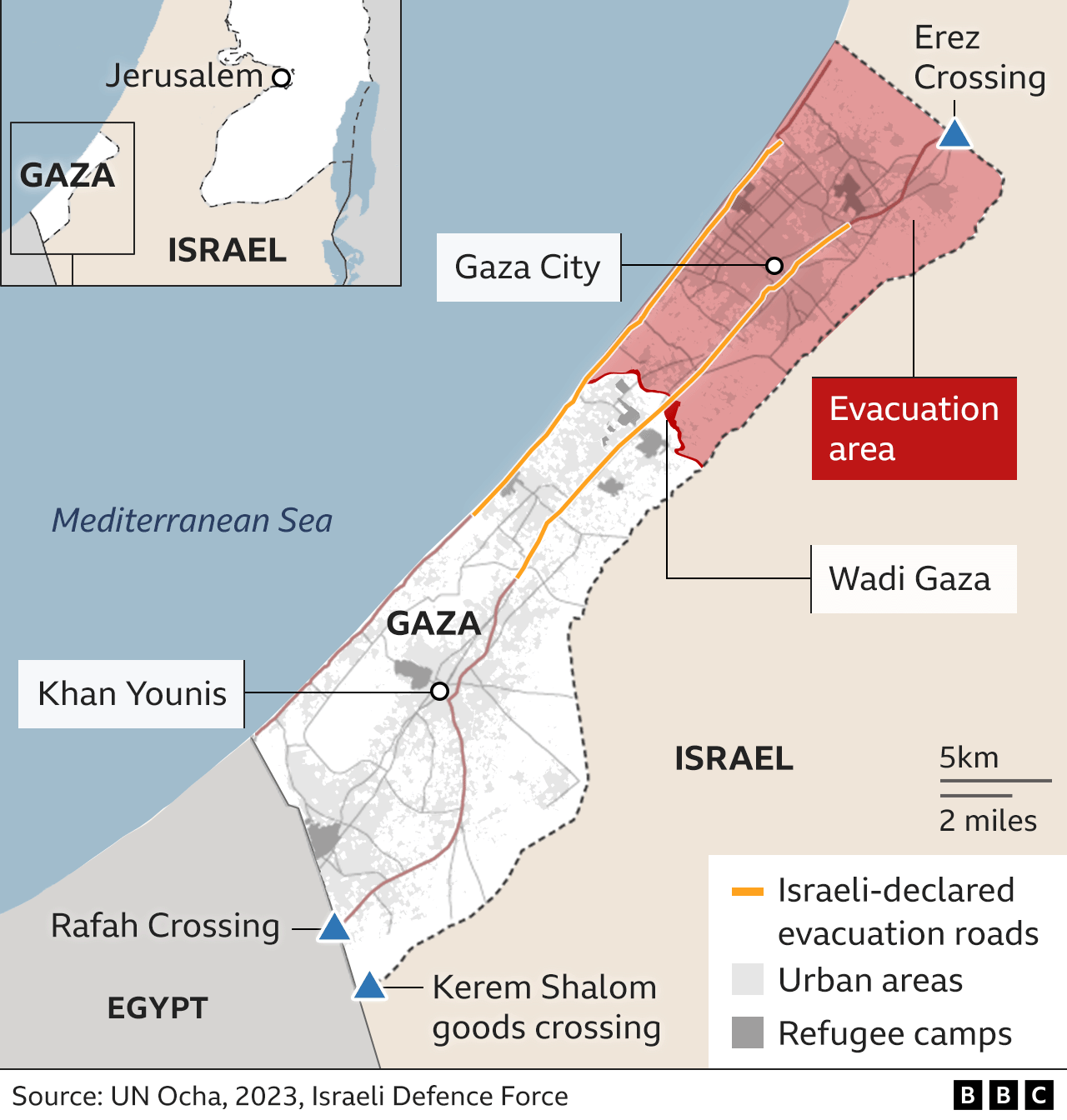
The strip is tiny. It's crowded, destroyed, and surrounded by fences, walls, and heavily monitored waters. Landmines, checkpoints, and rubble limit movement on shore. The sea is the only open horizon left. It’s the only direction where you can look out and not see a barrier.
Khalil Abu Jiyab puts it bluntly. He says the sea is the only outlet left. Without it, life in the enclave would have completely vanished from a psychological standpoint. The water offers a literal and figurative escape from the crushing weight of daily survival. Finding clean water, securing scarce food portions, and dealing with medical shortages takes up 95% of their daylight hours. The remaining 5% belongs to the waves.
The Mediterranean isn't known for world-class surf. The waves are often chaotic, short-period wind swells that close out quickly on the shallow sandbars. But on the rare days when a clean groundswell rolls in from the west, the conditions don't matter. The surfers track the weather patterns meticulously. When the wind switches offshore, they drop their daily chores, ignore the risks, and head out.
What the Rest of the World Misses
International surf media loves to focus on exotic locales like Hawaii, Tahiti, or the beaches of Portugal. They talk about sponsorship deals, high-tech wetsuits, and carbon-fiber fins.
The surf culture here is stripped of all that commercial garbage. It's raw survival. There are no cameras, no influencers, and no corporate logos. There’s just a trio of young men trying to hold onto their humanity through a sport that requires absolute focus. You can't worry about the future when you're timing your paddle to get past a heavy breaking wave.
It's easy to look at the situation and see total hopelessness. Abu Jiyab admits that his dreams of competing internationally have been almost entirely shattered by years of isolation. Yet, he still paddles out. That defiance is what makes this community remarkable. They aren't waiting for a perfect peace treaty to start living. They are claiming their right to joy right now, in the middle of a fragile truce.
If you want to understand the true spirit of resilience, stop looking at political speeches. Watch the three remaining surfers of Gaza City paddle out into the gray Mediterranean water, ducking under the waves, waiting for the next set to roll in.
If you want to support global surf communities or learn more about organizations providing trauma relief through sports, look into groups like Waves For Change or local regional athletic initiatives trying to secure medical and equipment access for youth in isolated regions.