Oil prices just plummeted to around $72 a barrel. The trigger was a sudden, massive rush of tankers finally exiting the Persian Gulf. Since the recent United States-Iran peace framework took shape, data confirms that a staggering 35 million barrels of crude and refined products have made it through the Strait of Hormuz.
On paper, this looks like a massive win for global markets. Tankers are moving, shipping threat levels are being downgraded by the Joint Maritime Information Center, and the devastating energy supply crunch of early 2026 is showing signs of cooling off.
But if you think global shipping is back to normal, you're missing the real story.
I've watched how energy logistics break down during geopolitical shocks. This isn't a smooth economic recovery. It's a highly fragile, heavily escorted evacuation of oil that had been trapped under a brutal maritime blockade since February. The market is cheering the numbers, but the operational reality on the water tells a completely different story.
The Reality Behind the 35 Million Barrel Spike
The sudden burst of traffic isn't a sign of normal trade. It is the result of a high-stakes backlog clearance. Analysts estimate that around 90 million barrels of crude were stranded inside the Gulf during the peak of the 2026 Strait of Hormuz crisis.
What we're seeing right now is a mad dash to empty those static hulls.
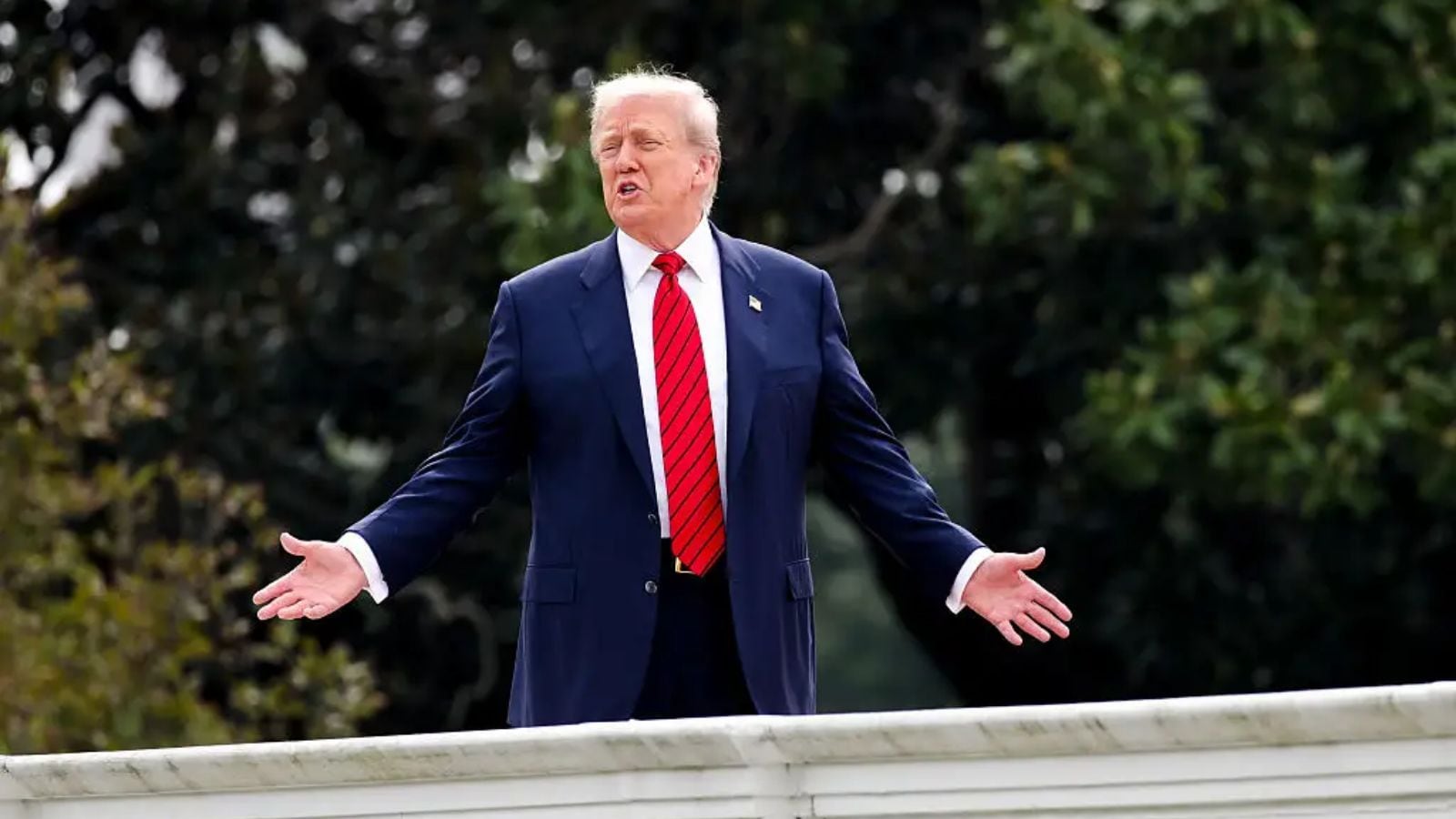
On Monday alone, President Donald Trump noted that 19 million barrels flowed through the strait. Supertankers like the South Korean-flagged VL Breeze carrying two million barrels of Qatari condensate and Abu Dhabi crude, and the Plata Carrier loaded with two million barrels of Saudi crude, are finally sneaking out to Asian markets. Even QatarEnergy has managed to slip empty liquefied natural gas tankers back into the Gulf to reload, often with their automatic identification systems flipped off to dodge lingering security threats.
The problem is that this massive outflow represents a temporary flush, not a sustainable trend. The International Energy Agency reports that while United Arab Emirates exports have bounced back to nearly 85% of pre-conflict levels, total daily crossings are still a tiny fraction of the 125 daily transits we saw before the war started.
The Underwater Threat Keeping Insurers Terrified
Here's what mainstream reports gloss over. The main shipping lanes aren't actually open.
During the height of the clashes in March, the Iranian Revolutionary Guard Corps laid an untold number of sea mines throughout the strait. The U.S. Navy sank 16 minelayers and used 5,000-pound bunker busters on coastal missile sites, but finding every floating or tethered mine in a narrow, high-current choke point is an absolute nightmare.
Commercial vessels can't just sail through freely. They are forced to use alternative routes, hug the Omani shoreline, or wait for direct military escorts under Operation Project Freedom.
For a commercial shipowner, this is a logistics nightmare. Even though the U.S. administration has stated there will be no tolls or insurance surcharges for ships transiting the waterway, commercial insurers aren't buying the optimism. Maritime insurance premiums for the region remain painfully high. Many international crews are refusing to enter the Gulf altogether, remembering that thousands of mariners were stranded for months when the crisis first erupted.
The Upcoming Battle Over Tolls and Sovereignty
The temporary 60-day U.S. waiver allowing global buyers to purchase Iranian crude has given the market some breathing room, but a massive diplomatic storm is brewing. Iran and Oman are already in talks to establish a joint framework for managing transit through the strait.
Tehran is quietly pushing for a "navigational fee." Military historians and legal experts view this as a thinly veiled attempt to turn the Strait of Hormuz into a toll road under Iranian control.
While the White House has vehemently denied that any such charges will be tolerated—threatening to shut down ongoing peace negotiations in Switzerland if Iran attempts to collect fees—the reality is that Iran still holds the geographic high ground. They can disrupt traffic with low-cost speedboats, satellite spoofing, and GNSS jamming whenever negotiations stall.
Next Steps for Energy Investors and Corporate Buyers
Don't let the current drop in crude prices fool you into thinking the energy crisis is over. If you manage supply chains or energy portfolios, look past the 35 million barrel headline.
First, track the vessel backlog, not just the daily export spikes. Watch how many of the remaining stranded vessels actually exit the Gulf over the next two weeks.
Second, monitor the progress of the four working groups in Switzerland. If negotiations over nuclear stockpiles and sanctions hit a wall before the 60-day waiver expires, expects shipping firms to pull their vessels back out of the region instantly, causing oil prices to violently snap back.