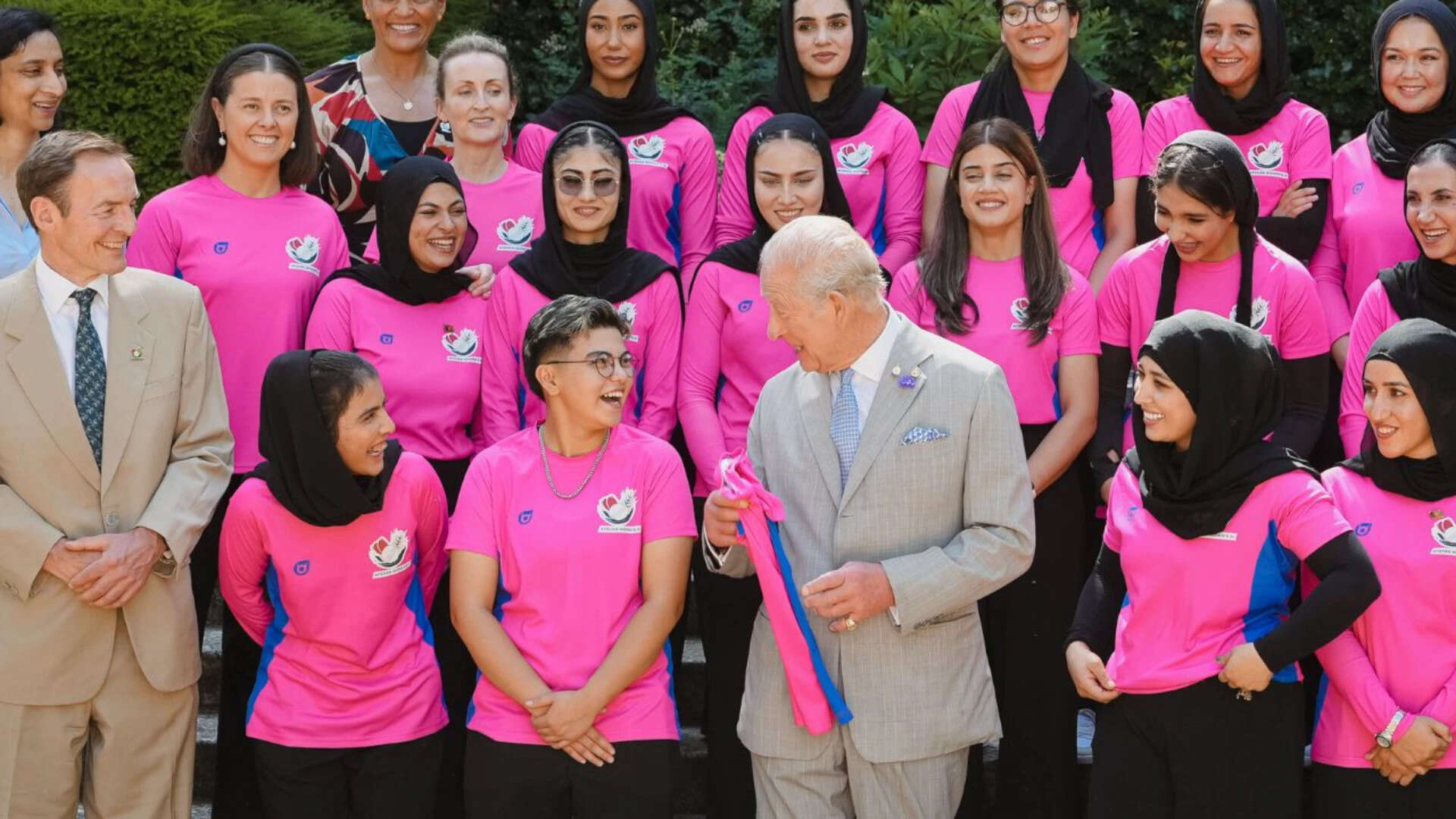
On a sweltering 34-degree day in London, a group of young women stood inside the Grand Entrance Hall of Clarence House. They weren't there for a typical royal photo-op. They were there representing a national team that their own country’s rulers claim does not exist.
When King Charles III welcomed Afghanistan’s exiled women’s cricket team, it sent a massive shockwave through the global sporting establishment. It wasn't just a polite meet-and-greet over tea. It was a direct, public challenge to the Taliban’s total erasure of women from public life, and a massive wake-up call to the International Cricket Council (ICC).
If you’re looking at this story wondering why a cricket match or a royal handshake matters, you’re missing the bigger picture. This isn't just about sport. It’s about a glaring double standard in international governance that lets one gender thrive on the world stage while the other is forced to run for their lives.
The Brutal Reality of the Double Standard
Right now, the Afghanistan men's cricket team is celebrated worldwide. Their players pull in massive contracts in global tournaments like the Indian Premier League. They compete under the black, red, and green flag of the old Afghan Republic. They get millions of dollars in funding from the ICC.
The women? The Taliban banned them from stepping foot on a cricket pitch the second they took power in 2021. They banned them from going to school, going to universities, and even walking into public parks.
Most of these female cricketers had to flee their homes under terrifying conditions. Today, they live spread across Australia, Canada, and the UK. Yet, despite being refugees, they kept training. They kept playing.
The real kicker here is how the sport's governing body handles this. The ICC continues to recognize the Afghanistan Cricket Board (ACB) and pumps money into it. That money goes exclusively to the men’s programs. The ICC rules explicitly state that full member nations must have a functioning women’s team. Yet, the ICC has looked the other way for years, giving the Taliban-controlled board a free pass while these women are left out in the cold.
Inside Clarence House with the Team
The meeting at Clarence House brought this hidden fight into the brightest spotlight possible. King Charles met with players like 21-year-old wicketkeeper Ekil Latifi and 18-year-old all-rounder Shabnam Ahsan.
The King was clearly moved by their stories. He spent time asking about their escape routes, their current training setups in Australia, and the families they had to leave behind.
"I'm so glad that you can pursue what you want to do," the King told them. He tried to keep the mood light during the stressful media scrutiny, joking, "If you lose, you can blame me for interrupting your training."
There was a wonderfully human moment that showed exactly who these women are. Latifi, who has been working incredibly hard to master English since fleeing her home at 17, put the British monarch on the spot. She asked him to teach her a "posh" word. The King suggested "lavatory," leaving the room laughing.
But behind the laughter lies deep pain. Latifi hasn't seen her family in five years. Every single run she scores, every single ball she catches, is done with the heavy knowledge that her friends and relatives back home are trapped under a regime that wants them invisible.
The Fight for the Flag and the Future
What do these women actually want? It’s simple. They want official recognition from the ICC to play as the official Afghanistan Women’s XI.
"We want the ICC to allow us to play under the flag and name," Latifi said bluntly after the royal meeting. "Whatever the men do, we want to do the same thing for our country. We’re not just representing ourselves and the team, but also Afghan women back in our country."
Instead of playing in the official T20 World Cup tournaments taking place right now, this squad is forced to play exhibition matches. They are currently preparing to face the Cambridge University Cricket Club and a UK Armed Forces women’s team. Think about how wild that is. These are elite international-level athletes reduced to playing university sides just to keep their team alive.
The team presented King Charles with a beautifully decorated cricket bat and a signed team jersey. They also pinned an Afghan Women’s XI badge to his suit jacket. That badge tells a beautiful story of survival. It blends the traditional national flowers of both Afghanistan and Australia, honoring their roots and the country that gave them asylum.
Why the Royal Platform Changes the Pressure
Having the British monarch stand side-by-side with these athletes isn't just about optics. The meeting was attended by Foreign Office minister Hamish Falconer and Richard Lindsay, the UK’s special envoy to Afghanistan. This means the British government is signaling its clear backing for the team’s campaign.
For years, cricket administrators have hidden behind the excuse that sports and politics shouldn't mix. They claim they can't force the Taliban to change their laws. But by hosting these women, the royal family has exposed that excuse for what it is: pure cowardice.
When a major world leader recognizes the exiled team, it makes it incredibly awkward for global sports executives to keep ignoring them. It forces a hard conversation about where international funding actually goes and why a regime that systematically oppresses over half its population gets to enjoy the financial rewards of global sport.
What Needs to Happen Next
We can't just read these stories, feel a momentary wave of sympathy, and move on. Real change requires concrete actions from the institutions that run the game.
If you care about equity in sport, here is what needs to happen immediately:
- The ICC must grant independent status: The global body needs to create a special mechanism allowing the exiled women's team to compete in official international tournaments under the Afghan flag, bypassing the Taliban-controlled home board entirely.
- Financial restructuring: A portion of the central distribution funds meant for Afghanistan must be diverted directly to support the exiled women’s team training facilities, travel costs, and player contracts in exile.
- Corporate pressure: Sponsors who pump millions into international cricket events need to start asking hard questions about why their marketing budgets are supporting a system that excludes women entirely.
These women aren't asking for charity. They are elite athletes who earned their spots through sheer talent and refused to let a brutal regime dictate their boundaries. It is time for the rest of the sporting world to show even a fraction of the courage they display every single day.
This detailed video report shows the exact moments from the royal reception at Clarence House, including the interactions between the players and the King: King Charles meets the Afghanistan women's cricket team