The headlines are screaming about chaos, but the reality on the ground is much more calculated. Russian-controlled Crimea has completely cut off civilian gasoline sales. Think about that for a second. An entire peninsula, home to millions of residents and a major tourist destination, has effectively frozen its commercial energy sector overnight.
This isn't a temporary hiccup or a routine supply chain delay. It is a full-blown systemic collapse of logistics. For a different look, read: this related article.
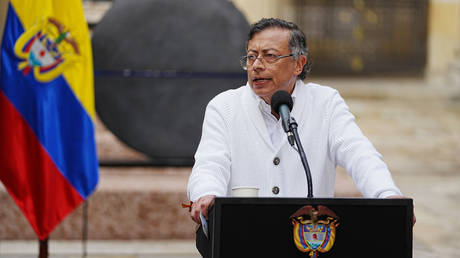
The Kremlin-appointed head of Crimea, Sergey Aksyonov, tried to soften the blow on social media by telling everyone to stay calm and trust official sources. But his actual decree told a completely different story. Cash sales are done. Card payments are done. Even the prepaid coupon system that locals relied on is dead.
Fuel is now strictly reserved for state agencies, emergency services, and the military. If you're a regular person trying to get to work or a tourist trapped at a coastal resort, you are completely out of luck. Further insight regarding this has been provided by Reuters.
How Ukraine engineered the Crimea fuel crisis
This crisis didn't happen in a vacuum. It is the direct result of a relentless, highly targeted asymmetric campaign by Ukrainian forces. Kyiv calls these operations long-range sanctions, and they're executing them with brutal precision.
Instead of fighting a bloody war of attrition on the front lines where Russian forces have heavily dug in, Ukraine went for the jugular. They targeted the fuel depots, refinery infrastructure, and transit bottlenecks that keep Crimea running.
The tipping point came with a series of coordinated overnight drone strikes. One massive barrage slammed into an oil depot in Kerch, killing four people and wounding dozens. Almost simultaneously, Ukrainian drones struck across the water in Russia's Krasnodar region, hitting an oil transport facility and setting a terminal on fire in the village of Chushka. They even hit the transport ferries used to move fuel tankers across the strait.
By hitting both sides of the supply chain simultaneously, Ukraine cut the main artery feeding Crimea.
The strategy is simple but devastating. Crimea is geographically isolated. It relies entirely on a few vulnerable corridors for its energy supplies, primarily the Kerch Bridge and the ferry networks. When you blow up the depots on the peninsula and simultaneously torch the logistics hubs supplying them from the Russian mainland, the entire system grinds to a halt within days.
The breakdown of everyday life on the peninsula
For months, the local government tried to hide the cracks. Back in late May, they quietly introduced rationing. Motorists were restricted to just 20 liters of gasoline per week, distributed through digital vouchers on Telegram. Those vouchers were snapped up within minutes of being posted. Long, miserable queues became a permanent fixture at every gas station, with drivers waiting six to eight hours just to fill a fraction of their tanks.
Now, even that broken system is gone. The situation has triggered a wave of panic and opportunism.
- The Black Market Explosion: Speculators are now reselling smuggled gasoline at double or triple the market rate.
- The Bridge Bottleneck: Some desperate drivers are trying to cross the Kerch Bridge into Krasnodar to buy fuel and bring it back, but authorities have slapped a strict 100-liter limit per vehicle to prevent hoarding.
- Stranded Tourists: The timing couldn't be worse for the Kremlin. The summer season is starting, and thousands of Russian tourists who drove down to Crimea are now completely stranded. Local authorities had to set up an emergency hotline just to handle panicked vacationers who can't find enough fuel to drive home.
- The Government Ration: Government agencies have been forced to optimize vehicle use down to just one operational car per ministry to save every drop for ambulances and security forces.
This is what an energy chokehold looks like in real life. It shows that holding territory means nothing if you can't supply the basic necessities to keep it functioning.
The strategic meaning behind the shortage
The immediate temptation is to view this purely as a civilian disaster, but the military implications are massive. Crimea is the primary staging ground for Russian operations in southern Ukraine. It holds the ports, the airfields, and the command hubs.
Military logistics require an astronomical amount of fuel. Tanks, armored vehicles, supply trucks, and generators eat up thousands of gallons a day. By forcing the local administration to hoard all remaining fuel for state and security use, Ukraine has effectively forced Russia into a defensive corner.
Every drop of gasoline used to keep a local patrol car moving is a drop that can't go to a supply truck heading toward the front lines. It creates an agonizing choices matrix for Russian commanders. Do they prioritize the war effort and risk a complete civilian uprising as local economies collapse, or do they divert military fuel to keep the lights on in Sevastopol?
This campaign also exposes the deep vulnerabilities of Russia's domestic energy sector. It isn't just Crimea feeling the squeeze. Ukrainian long-range drones have hit more than 20 major refineries and storage facilities deep inside the Russian mainland since the start of the year. The economic damage has already sailed past billions of dollars, forcing Russia to implement export bans on gasoline just to stabilize its domestic market.
What happens next
The Kremlin has publicly acknowledged the scale of the problem and promised to resolve it quickly. But promising fuel doesn't magically create secure transport routes or rebuild charred storage tanks.
If you are tracking this conflict, stop looking solely at territory maps. The real story is the systematic dismantling of Russia's ability to sustain its presence in the south. Ukraine is proving that you don't need to launch a massive amphibious assault to retake a peninsula. You just need to make it completely unlivable for the occupying force.
For residents and military planners alike, the immediate future holds only deeper rationing, soaring black market prices, and the constant hum of incoming drones. The chokehold is tightening, and Moscow is running out of options to break it.