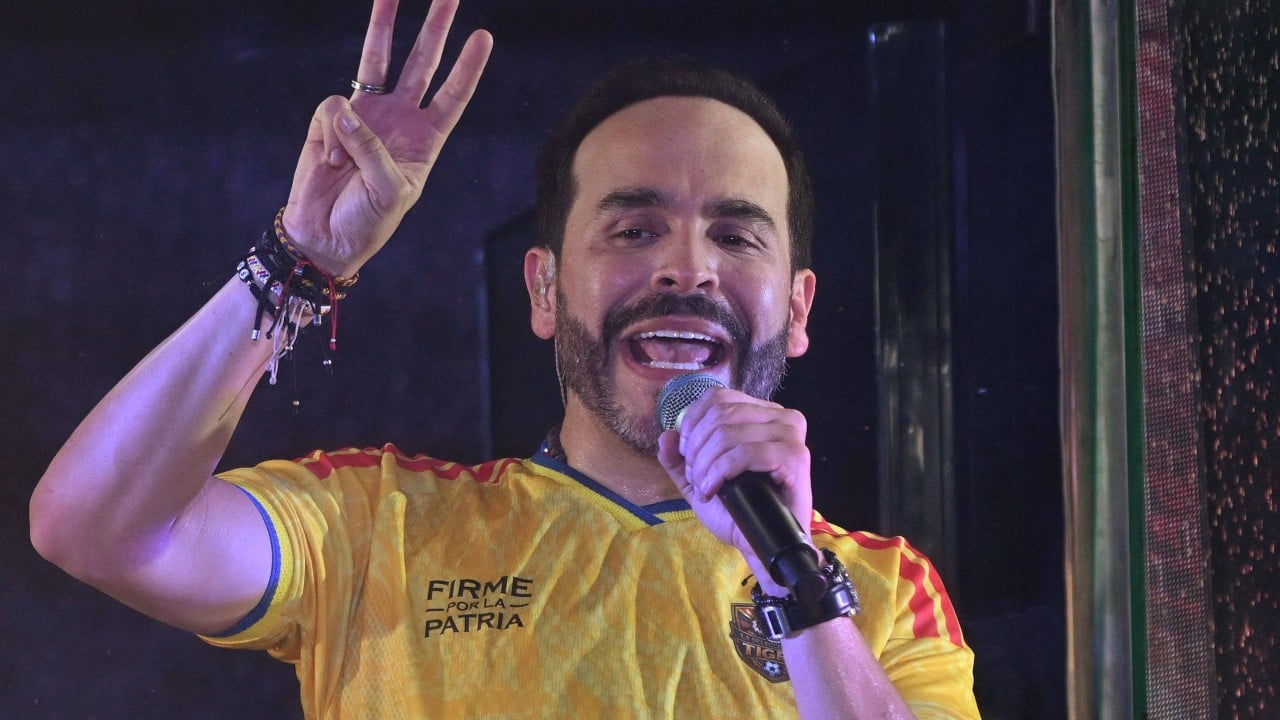
Colombia just pulled off a massive political pivot. Abelardo de la Espriella, a hard-right businessman and lawyer heavily backed by US President Donald Trump, clinched a razor-thin victory in the presidential runoff. Winning 49.66% of the vote against progressive senator Iván Cepeda, "The Tiger" is set to take office on August 7, ending the short-lived leftist era of Gustavo Petro.
De la Espriella is a dual US-Colombian citizen, a registered Republican, and openly tracks the populist, heavy-handed style of leaders like Salvadoran President Nayib Bukele. He wants to build ten mega-prisons, bring back heavy aerial fumigation of coca crops with Washington's help, and aggressively realign Colombia's foreign policy toward the White House. US Secretary of State Marco Rubio was among the very first to tweet congratulations.
You might expect Beijing to brace for an immediate diplomatic freeze. Instead, China is signaling pragmatism and openness.
Understanding this dynamic requires looking past the loud campaign rhetoric. Despite de la Espriella's aggressive pro-Washington stance and his law firm's messy legal disputes involving a Chinese consortium over the Bogotá metro project, Beijing is not backing away. China knows that economic gravity usually beats campaign promises in Latin America.
The Cold Reality of South American Supply Chains
It's easy to promise a complete pivot to Washington when you're on the campaign trail. Real governing is different. Right-wing leaders across Latin America often find that they can't afford to alienate their second-largest trading partner.
Argentina's Javier Milei learned this fast. He blasted Beijing during his campaign but cooled his rhetoric once in office because Argentina needed to maintain its crucial currency swap line with China. De la Espriella faces a similar structural trap. Colombia relies heavily on Chinese investment for massive infrastructure, renewable energy projects, and basic trade.
Beijing’s foreign ministry wasted no time offering a cooperative path forward. Chinese diplomats specialize in treating transitions as transactional rather than ideological. They look at the balance sheet. For Beijing, keeping a foothold in Colombia—the historic anchor of US influence in South America—is worth swallowing some anti-communist campaign rhetoric.
The Metro Legal Clash That Didn't Stop Diplomatic Overtures
The friction between the new president-elect and Beijing isn't just theoretical. It's explicitly financial. De la Espriella's law firm has been deeply entangled in legal battles against Chinese state-owned enterprises involved in constructing the multi-billion-dollar Bogotá Metro Line 1.
He positioned himself as a fierce critic of how Chinese groups handle local contracts. Yet, Beijing’s response has been remarkably calm. Chinese state companies are built to weather local political storms. They know that de la Espriella’s core economic promises—such as reviving the oil, gas, and coal sectors through private enterprise and slashing corporate regulations—could actually create new opportunities for resource-hungry Chinese buyers.
Why De la Espriellas Energy Strategy Needs Beijing
The president-elect pledged to completely reverse Petro’s green energy bans. He wants to immediately revive hydrocarbon production, sign new exploration contracts, and dive into commercial hydraulic fracturing.
Colombia's Presidential Election Runoff Results (June 2026):
- Abelardo de la Espriella (Right-wing / Nationalist): 49.66%
- Iván Cepeda (Progressive / Ruling Party Ally): 48.70%
While Trump’s Washington will gladly support Colombia's return to fossil fuels, American firms aren't the only ones buying. China remains a massive market for Colombian crude and coal. De la Espriella also promised to push forward with mining rare earth elements. If Colombia wants to develop a modern rare earths extraction pipeline, avoiding Chinese processing networks is almost impossible.
Action Plan for Navigating the New Geopolitical Landscape
If you operate a business exposed to Latin American trade or logistics, don't panic about a sudden US-China proxy war in Bogotá. Expect loud headlines but highly pragmatic economic policies.
- Monitor Infrastructure Contracts: Keep a close eye on the Bogotá metro project adjustments after August 7. If de la Espriella allows Chinese firms to keep working despite past legal fights, it's a green light that business runs as usual.
- Hedge for Commodity Volatility: The return of oil and gas exploration in Colombia will shift regional energy markets. Prepare for increased supply, but watch if export destinations favor the US Gulf Coast or East Asian ports.
- Watch the Security Policy: De la Espriella plans to use US aircraft to bomb cartel camps. This aggressive posture could temporarily disrupt domestic supply chains and transport routes inside Colombia.
Loud geopolitical shifts usually simmer down into quiet commercial deals. De la Espriella will give Trump plenty of easy political wins on regional security and migration. But when it comes to paying for Colombia's massive infrastructure, expect "The Tiger" to leave the door open for Chinese capital.