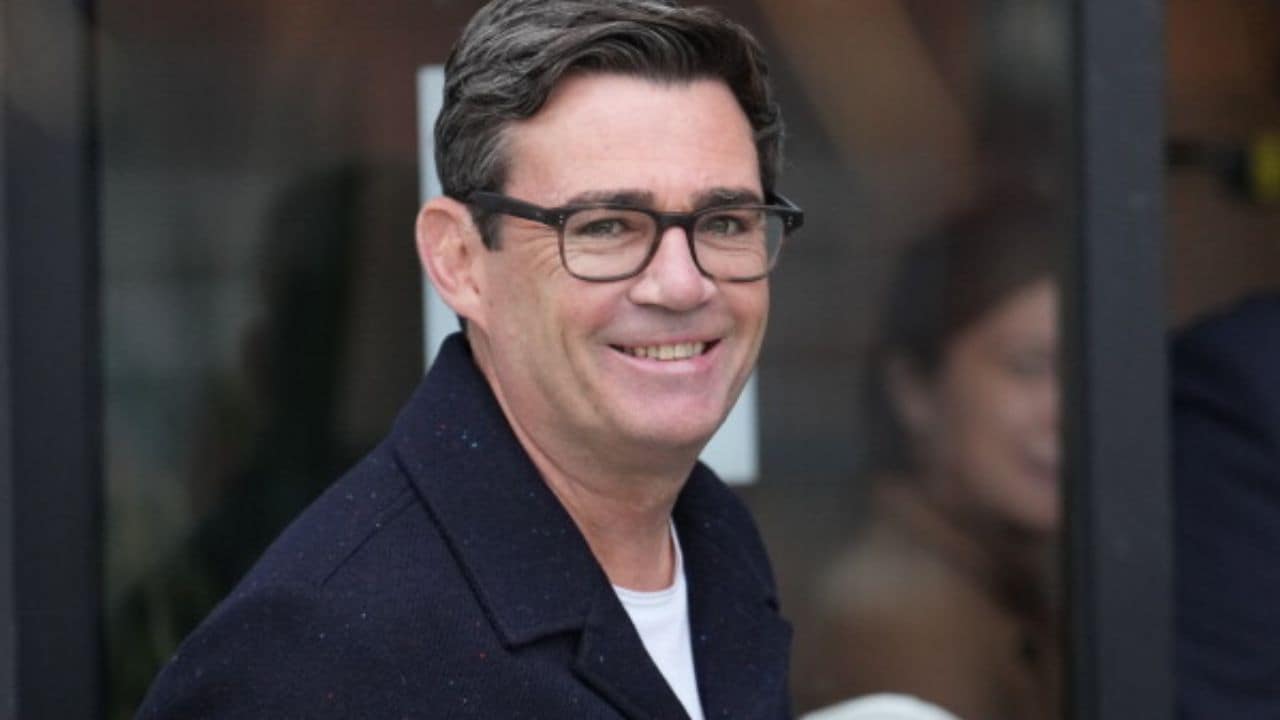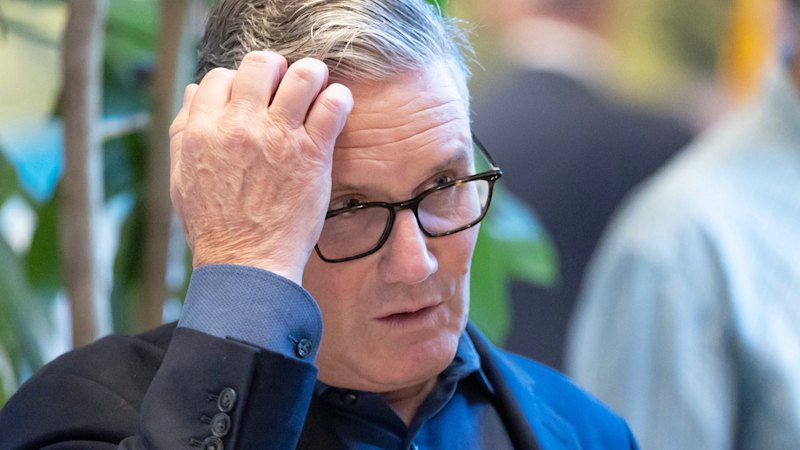
Ten years ago, the British public voted to leave the European Union because they wanted stability, control, and a return to predictable governance. Instead, they got a revolving door at 10 Downing Street. Right now, Keir Starmer is sitting in his Chequers country residence, staring down the barrel of a massive party revolt after Andy Burnham won a Westminster seat in the Makerfield by-election. If Starmer steps aside or gets pushed out, Britain will crown its seventh UK prime minister in just a single decade.
Think about that for a second. Seven leaders in ten years. That is a level of political turnover the country hasn't seen in nearly two centuries. It makes Italy's notoriously unstable political system look practically comatose.
You might think this is just standard political theatre. It isn't. The real reason behind this endless UK prime minister carousel isn't just bad luck or poor leadership talent. It's the structural aftermath of Brexit, an event that shattered old party loyalties and left voters permanently angry at a system that cannot seem to deliver on its promises.
The Illusion of Political Stability
Before the 2016 referendum, British politics was almost boringly predictable. Leaders like Tony Blair and David Cameron stayed in power for years. They built long-term strategies. They commanded stable majorities.
Brexit changed all that. It acted like a chemical agent introduced into an ecosystem, permanently altering the DNA of both major parties. David Cameron walked away immediately after losing the vote. Theresa May spent three agonizing years trying to negotiate a compromise that satisfied nobody, eventually leaving in tears. Boris Johnson won a massive majority on the promise to "get Brexit done," only to collapse under the weight of his own scandals. Then came Liz Truss, whose 45-day tenure was literally outlasted by a supermarket lettuce. Rishi Sunak tried to steady the ship but inherited an economy already battered by trade friction and global inflation, leading to a historic Conservative defeat in 2024.
When Labour swept into power under Keir Starmer, commentators claimed that the adults were back in the room. They said the era of chaos was over. It took less than two years for that illusion to fall apart.
The Problem With the British System
Why does this happen so easily? The British political structure allows a prime minister to be replaced without a general election. If a leader loses the confidence of their party members or their members of parliament, they can be booted out over a weekend.
- Internal Party Coups: The governing party simply holds an internal vote to pick a new leader, who automatically becomes prime minister.
- Voter Disconnect: Everyday citizens don't get a direct say in who replaces the departing leader, which fuels deep public cynicism.
- Constant Mid-Term Flips: It means the country keeps changing directors halfway through the movie, expecting a completely different plot.
Why the Labour Landslide Rottted So Quickly
Starmer won a historic landslide in July 2024. On paper, his position looked unassailable. In reality, it was built on sand. Voters didn't fall in love with Starmer's vision; they just desperately wanted to punish the Conservatives.
Once in office, the underlying economic problems didn't vanish. The independent data from the Institute for Government shows that leaving the European Union has stripped billions from the UK economy. Small businesses are drowning in red tape. Public services like the National Health Service are buckling under a lack of investment.
When Starmer implemented policy U-turns and got tangled up in minor spending scandals, his popularity plummeted faster than any modern prime minister before him. More than 100 of his own lawmakers have publicly demanded he set a departure date. The system is cannibalizing itself again.
The Fractured Electorate
The biggest mistake analysts make is assuming this chaos ends when a new person takes the job. It won't. The political spectrum in Britain has completely fragmented.
In 2019, the two main parties took roughly 76% of the popular vote. By the 2024 election, that share dropped to 58%. Populist movements like Reform UK on the right and the Green Party on the left are pulling the traditional voter bases apart. People are angry because their living standards have stalled, and they blame Downing Street. When a population is fundamentally unhappy with the state of their country, they switch leaders the way an unhappy football fan demands a new manager every season.
What Happens Next
If you are watching this from the outside, don't look at this upcoming leadership battle as a solution. It's just another symptom.
Pay close attention to whether the Labour party chooses a radical shift in economic policy or sticks to the same cautious approach that doomed Starmer's brief tenure. If the next leader cannot fix the underlying productivity crisis and repair public services, expect to see prime minister number eight sooner than you think. Keep an eye on local by-election results over the next few months to see if populist parties continue to gain ground at the expense of Westminster's establishment.