The buffer zone has finally collapsed. For five years, Australia stood alone as the only continent on earth to keep the devastating H5N1 bird flu strain off its mainland. While billions of wild birds died across Europe, the Americas, and Africa, Australia remained a sanctuary. That isolation just ended on a remote beach in the country's southwest.
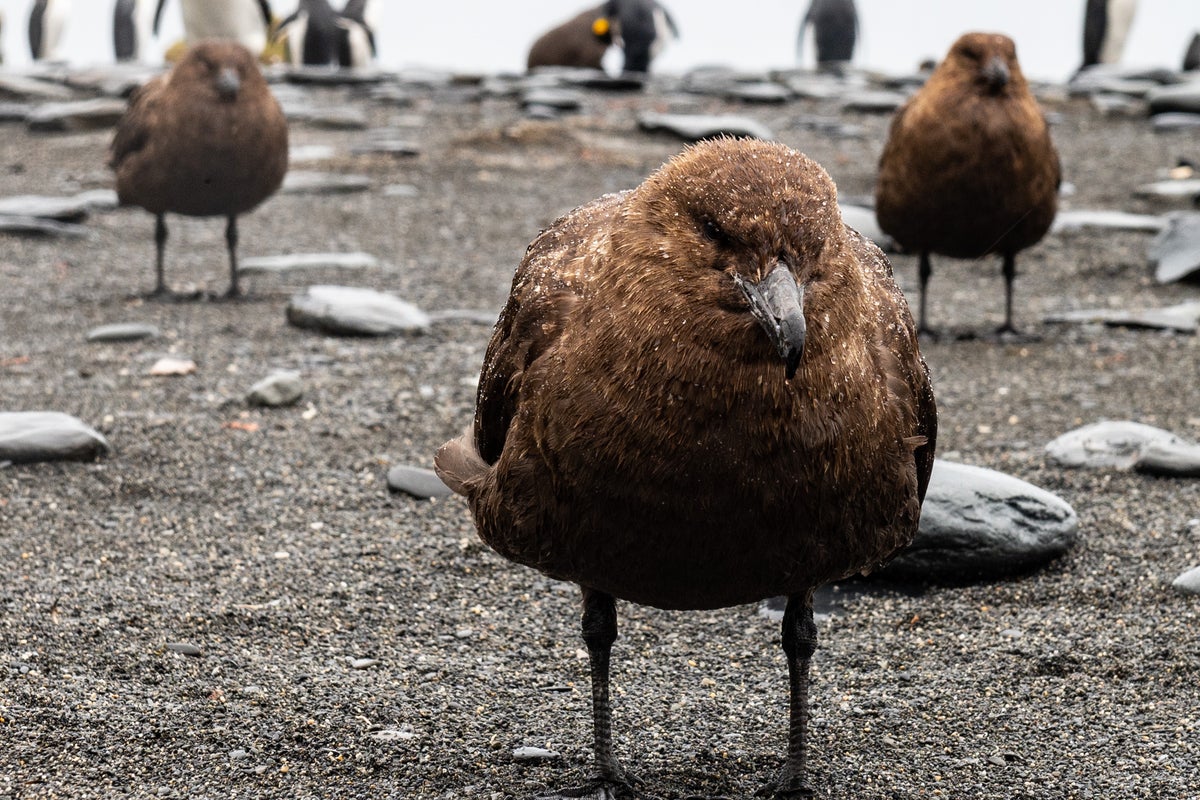
On June 19, 2026, authorities confirmed that a migratory seabird found sick at Cape Le Grand National Park near Esperance tested positive for the H5 avian influenza strain. The bird, a brown skua, died shortly after discovery. A second bird, a giant petrel, was found sick in the exact same area and is currently undergoing testing. Samples are currently with the CSIRO Australian Centre for Disease Preparedness.
This isn't just another bad news cycle. It's an ecological emergency that local scientists have dreaded since the global panzootic took off in 2021. The arrival of the virus threatens to upend Australia's fragile ecosystems, jeopardize its multi-billion-dollar poultry industry, and push already endangered species to the brink of extinction.
The Brown Skua on Cape Le Grand Beach
Cape Le Grand National Park is famous for its bright white sand and turquoise water. It's a place where kangaroos regularly hop along the beach. On June 14, wildlife officials found a brown skua looking visibly weak and distressed on the sand. They isolated the predatory seabird immediately. It died that same night.
Preliminary testing at a state laboratory in Western Australia triggered alarms by returning a positive result for the H5 influenza virus. Scientists are racing against the clock to determine if it belongs to the hyper-virulent clade 2.3.4.4b, the specific genetic line responsible for the ongoing global wildlife disaster.
The fact that a brown skua brought the virus here makes perfect sense to wildlife biologists. Skuas are heavy-set, aggressive birds that cover massive oceanic distances. They frequently interact with subantarctic colonies, acting as a bridge between isolated islands and mainland shores. This specific bird likely carried the pathogen from the freezing waters of the Southern Ocean straight to the Australian mainland.
The second suspected victim, a giant petrel, fits the exact same profile. These birds are scavengers. They feed on carcasses and mix with diverse species across vast territories. Finding two completely different migratory species sick in the same small geographic pocket indicates that this isn't an isolated stroke of bad luck. The virus is actively moving through oceanic flight corridors.
What the Rest of the World Already Learned the Hard Way
To understand why Australian officials are treating this with extreme urgency, you have to look at what has happened globally over the last few years. The H5N1 strain isn't standard wildlife flu. It behaves like an ecological wildfire.
In South America, the virus decimated marine mammal populations. Peru and Chile reported the deaths of more than 50,000 sea lions and thousands of elephant seals within months of the virus arriving on their coastlines. The mass die-offs were brutal, sudden, and completely unmanageable.
The virus then tore through North America and mutated its way into dairy cattle. Millions of domestic birds were culled to protect commercial food supplies. The infection jumped to farmworkers, proving that the virus can bridge the gap between species with terrifying ease when given enough opportunities.
Australia has been watching this global wreckage from afar. The nation spent millions of dollars over the past four years war-gaming scenarios, running simulation exercises, and trying to shore up biosecurity defenses. Federal and state governments drafted complex response frameworks because they knew the country's geographic luck would eventually run out. The unique wildlife of Australia has zero pre-existing immunity to this pathogen.
The Imminent Threat to Australia's Unique Fauna
Australia's isolation means its native animals are highly specialized and extraordinarily vulnerable. Black swans, fairy penguins, and unique shorebirds live in dense, localized populations. If a highly contagious virus hits a black swan colony in a major wetland system, the mortality rate could easily hit 90 percent within days.
The danger extends far beyond birds. H5N1 has shown a persistent ability to infect mammals. Australia's unique marsupials, like Tasmanian devils, quolls, and even koalas, frequently scavenge or come into contact with birds and bird droppings. Because these marsupials exist nowhere else on Earth, a localized outbreak could wipe out entire genetic lineages before conservationists can intervene.
The marine mammal threat is already real. Just days before the mainland skua discovery, scientists confirmed that thousands of southern elephant seal pups had died on Heard Island, an external Australian territory in the subantarctic. The virus has been creeping closer to the mainland for months, using island hopping strategies to close the geographic gap. The Western Australian coastline is home to critical sea lion breeding colonies. These colonies are already struggling with low population numbers and cannot survive a massive viral wave.
The Economic Nightmare for Farmers
Beyond the obvious ecological tragedy, the financial stakes are massive. The Australian poultry industry is a major pillar of national food security. A widespread outbreak means immediate mass culls of chickens, ducks, and turkeys.
Australia's domestic poultry setup differs significantly from Europe or North America. A huge portion of the Australian market relies heavily on free-range farming. Consumers prefer it, and regulations encourage it. Free-range birds spend their days outdoors, meaning they share space, water, and air with wild birds flying overhead. This massive outdoor exposure makes the free-range sector an incredibly easy target for a dropping-borne virus.
If the CSIRO confirms the strain is the deadly global variant, strict quarantine zones will immediately lock down parts of Western Australia. Moving poultry, eggs, and equipment out of affected regions will stop entirely. Export markets will shut their doors to Australian poultry products overnight to protect their own industries. Food prices at local supermarkets will spike quickly, hitting consumers who are already dealing with intense cost-of-living pressures.
What Happens Right Now
Federal Agriculture Minister Julie Collins held emergency briefings with state agencies and industry leaders immediately after the preliminary test results came in. The current priority is surveillance. Teams are searching the coastlines around Esperance for any signs of mass wildlife mortality.
Right now, authorities emphasize that there is no evidence of widespread deaths or any infections in commercial poultry yards. The response remains focused on containment and confirmation.
The national biosecurity framework dictates the next steps. If the definitive laboratory results confirm the highly pathogenic strain on Saturday, the government will deploy a coordinated national containment strategy. This involves activating emergency management centers, deploying field veterinarians to monitor wild populations, and enforcing strict biosecurity protocols across all commercial bird facilities in the country.
Immediate Actions You Need to Take
If you live in Australia, especially along the southern or western coastlines, you can't afford to be a passive bystander. Early detection is the only tool that can slow this virus down.
First, keep your distance from sick or dead wildlife. If you see a dead seabird, a sick swan, or an unusual cluster of dead animals on a beach, do not touch them. Do not let your dogs or pets sniff or retrieve the carcasses. The virus sheds heavily in secretions and feces. Touching an infected animal is the fastest way to spread the pathogen to your home or local parks.
Second, report sightings immediately. Note the exact location, take a photo from a safe distance if possible, and contact the Emergency Animal Disease Hotline on 1800 675 888. Do not assume someone else has already called it in.
Third, if you keep backyard chickens or pet birds, lock them down. Prevent any direct contact between your flock and wild birds. Cover your coops with fine netting to block wild birds from dropping in or sharing feed and water bowls. Ensure your birds drink from clean, protected water sources rather than open ponds where wild ducks land. Wash your boots and hands thoroughly before and after entering your coop. A single speck of contaminated wild bird feces on the sole of your shoe can wipe out your entire backyard flock in 48 hours.