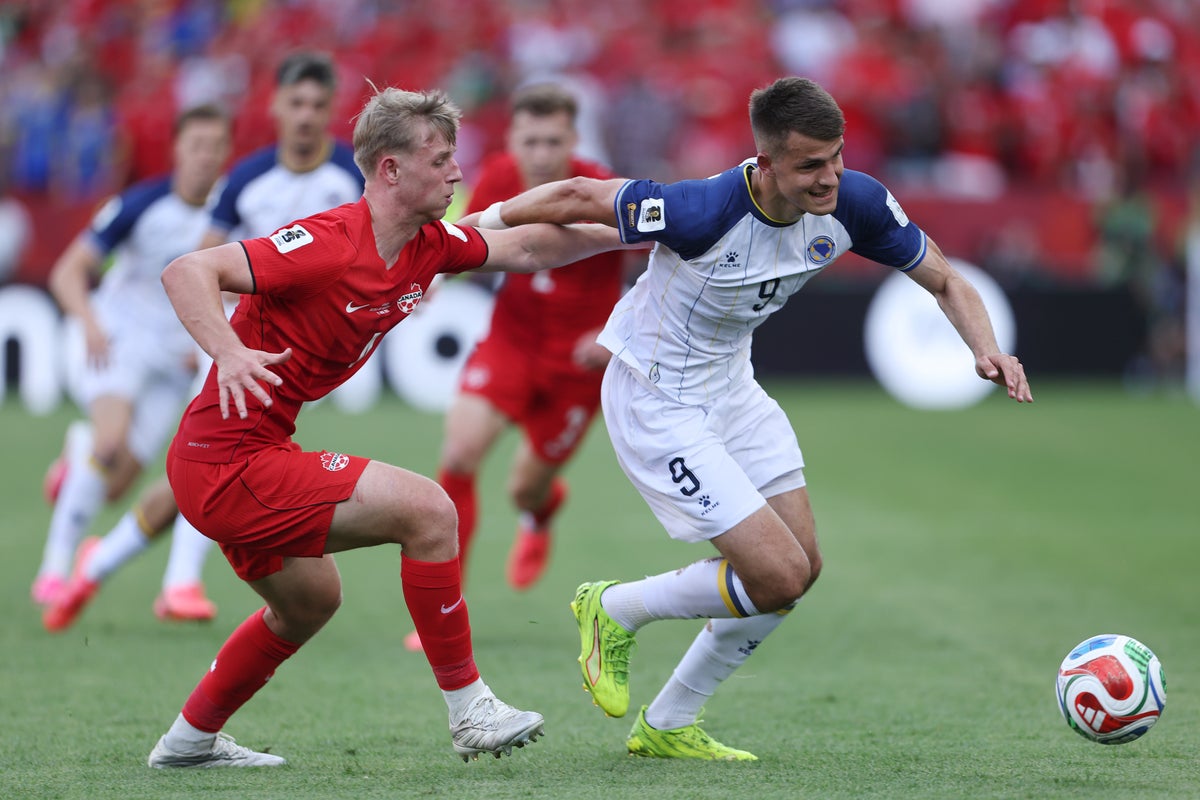
You can't sell a global party while locking the front door. This week, the 2026 FIFA World Cup kicked off in Mexico, Canada, and the United States under the banner of continental unity. The marketing materials promised a historic, boundary-breaking tournament. Instead, reality hit before the first whistle even blew. We're seeing a tournament aggressively divided by a hyper-militarized US border, strict visa crackdowns, and an atmosphere of intense surveillance.
If you bought tickets thinking this would be a seamless celebration of global football, you've been sold a lie. The friction between FIFA's grand globalist ideals and the harsh realities of American immigration policy is creating the most logistically compromised tournament in modern history.
The Illusion of a United Host Tournament
FIFA expanded this year's tournament to an unprecedented 48 teams, adding a massive 104 matches to the schedule. Because hosting a tournament of this scale is practically impossible for a single nation, the joint "United Bid" between the US, Mexico, and Canada won the rights. The marketing campaign was all about cooperation, boasting the slogan "United As One."
But let's look at how the matches are actually split. The US is hosting 78 games. Canada and Mexico get a measly 13 matches each. Every single match from the quarterfinals onward will be played on American soil.
This isn't a shared tournament. It's an American tournament with Canadian and Mexican opening acts.
By centering the crown jewels of the tournament in the US, FIFA handed complete control of the World Cup experience to American border authorities. That decision is backfiring spectacularly. The Trump administration's aggressive enforcement policies are colliding head-on with the open, inclusive ethos that football fans expect.
When Border Security Targets the Field
The logistical nightmare isn't just affecting fans in the nosebleed seats. It's directly disrupting the integrity of the competition itself.
Take the case of Omar Artan, the top-rated referee from Somalia who was scheduled to officiate multiple high-profile matches. Despite possessing a valid passport and an official FIFA visa, US Customs and Border Protection (CBP) stopped him at Miami International Airport and turned him away citing vague "vetting concerns."
There's absolutely no modern precedent for an active World Cup official being barred entry by a host nation. Not even during the highly politicized tournaments in military-ruled Argentina in 1978 or fascist Italy in 1934 did a host government bar the referees assigned by the international governing body.
World Cup Visa & Border Issues (June 2026)
- Omar Artan (Somali Referee): Denied entry in Miami despite valid FIFA visa.
- Iran National Team: Denied US base camp; forced to stay in Tijuana, Mexico.
- Senegal & Uzbekistan Squads: Subjected to intensive, invasive airport searches.
- 19 Competing Nations: Face strict travel restrictions or absolute bans.
The friction extends heavily to the teams. The Iranian national team originally planned to set up its training camp in Arizona. Because of escalating political tensions and severe travel restrictions, the squad was forced to base itself across the border in Tijuana, Mexico. The players are basically commuting across the border for their group stage matches on the US West Coast, entering and leaving the country on the exact same day they play. Try keeping elite athletes in peak physical condition when they have to clear international border security hours before a match.
Meanwhile, players and coaching staff from teams like Senegal and Uzbekistan have reported humiliating, overly aggressive searches of their personal electronic devices and gear upon arrival at US airports.
Human Rights Groups and the Failed Ice Truce
For months, advocacy groups like Human Rights Watch and Amnesty International pleaded with FIFA to negotiate an "ICE Truce" with Washington. The goal was simple: get a binding, public guarantee from the Department of Homeland Security (DHS) that Immigration and Customs Enforcement would pause deportation and enforcement raids around World Cup venues for the duration of the tournament.
The administration rejected the idea outright. White House spokespeople dismissed the request as a partisan scare tactic, stating flatly that federal immigration laws will be strictly enforced at every venue.
This refusal has sent a wave of anxiety through immigrant communities in host cities like Miami, Los Angeles, Dallas, and New York. Fans from the massive Haitian diaspora in Massachusetts and Latino communities across Texas are choosing to stay home. They aren't willing to risk an ICE checkpoint just to watch a football game.
Amnesty International took the unprecedented step of issuing a formal travel warning for visitors traveling to the US for the tournament. The advisory warns fans to prepare for potential racial profiling, intrusive searches, and arbitrary detentions. It's a devastating indictment of a tournament meant to foster international goodwill.
The Business Fallout of Fortress Football
You can't threaten your customers and expect them to show up. The economic fallout of this hostile environment is already hurting the hospitality industry.
A recent pre-tournament survey of 200 hotels across major US host cities revealed that international bookings are significantly lower than initial projections. Soccer fans are notoriously willing to spend their life savings to follow their countries across the globe. But when faced with the prospect of hundreds of dollars in non-refundable visa fees, months-long wait times at consulates, and a hostile reception at the border, many are choosing to watch from their couches.
Fans from countries like Scotland and Morocco have reported having their approved travel authorizations abruptly revoked just days before their flights. When the host country treats every international visitor like a security threat, the festive, carnival-like atmosphere that defines the World Cup disappears.
What to Do If You're Traveling to a US Match
If you've already bought tickets and are planning to attend matches inside the United States, you need to ditch the casual tourist mindset. Treat your journey with a high level of administrative scrutiny.
- Audit your digital footprint: Border agents have the legal authority to search your phone, laptop, and social media accounts without a warrant at US ports of entry. Secure your data and know your rights regarding digital privacy at the border.
- Carry physical paper backups: Don't rely solely on your phone. Print your match tickets, hotel confirmations, return flight itineraries, and proof of sufficient funds.
- Factor in massive transit buffers: Expect severe delays at airport customs and stadium security checkpoints. If you're traveling across the border from Mexico or Canada for a match, give yourself a minimum 12-to-24-hour buffer to account for unpredictable border processing times.
- Monitor active travel advisories: Stay tuned to updates from your home country's embassy or consulate in the US, as immigration policies and checkpoint locations can shift rapidly during the tournament.